
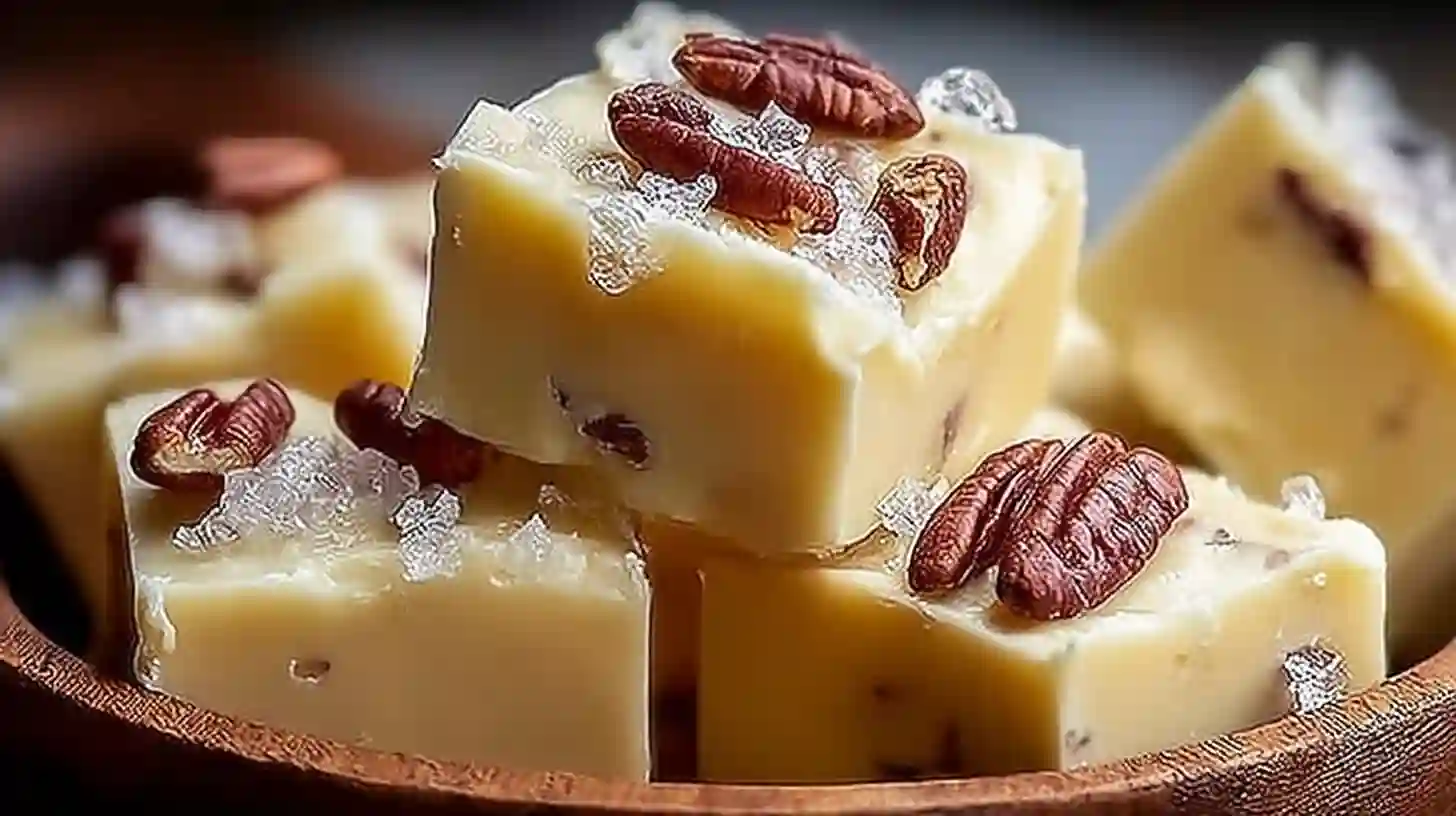
Divinity Fudge represents the pinnacle of vintage confectionery, blending scientific precision with an airy, cloud-like texture that evokes deep nostalgia. This comprehensive guide explores the rich history, essential techniques, and delicate chemistry required to master this Southern classic.
Discover why divinity fudge remains a holiday staple, learn to navigate the crucial role of humidity, and gain the skills to create a perfect batch that melts in your mouth, distinct from traditional dense fudges.
Divinity Fudge
Equipment
- Candy Thermometer
- Hand Mixer or Stand Mixer
- Heavy-Bottomed Saucepan
- Parchment Paper
Ingredients
- 2 1/2 cups granulated sugar
- 1/2 cup light corn syrup
- 1/2 cup water
- 2 large egg whites at room temperature
- 1/8 tsp salt
- 1 tsp vanilla extract
- 1/2 to 3/4 cup chopped pecans toasted if desired
Instructions
- Line a baking sheet with parchment or wax paper. Measure and prepare all ingredients before starting.
- In a heavy saucepan, combine sugar, corn syrup, and water. Stir over medium heat until sugar dissolves.
- Increase heat and bring to a boil without stirring. Cook until the syrup reaches 260°F (hard-ball stage).
- While syrup cooks, beat egg whites and salt until stiff peaks form.
- Slowly pour the hot syrup into the egg whites while beating on high speed, in a steady stream.
- Add vanilla and continue beating until thick, glossy, and holds shape (6–8 minutes).
- Fold in chopped pecans gently.
- Drop spoonfuls onto the prepared sheet and let cool completely at room temperature.
Notes
Table of Contents
Introduction to Divinity Fudge
The Nostalgia of Homemade Divinity Candy
Growing up in the South, the arrival of December was signaled not by snow which was rare but by the whirring of my grandmother’s heavy stand mixer. I can still picture her kitchen, dusted with powdered sugar, as she carefully poured hot syrup into billowy egg whites.
She always called it her “little piece of heaven.” To me, Divinity Fudge is more than just a sweet treat; it is a time capsule of flavor. While I often see people searching for divinity fudge near me, nothing compares to the homemade version.
The texture is unique a cross between a marshmallow and nougat, yet somehow lighter than both. It captures that divinity candy texture that store-bought versions simply cannot replicate. Every time I make a batch of old fashioned divinity fudge, I feel connected to those generations of home cooks who mastered this temperamental candy without digital thermometers or climate-controlled kitchens.
Why It is Often Called Divinity Fudge
It’s funny how names evolve, isn’t it? Technically, divinity is a nougat-like confection made from egg whites, corn syrup, and sugar. However, in many households, it’s affectionately known as white divinity fudge or simply “white fudge.”
This often leads to confusion for beginners who expect a dense, creamy block like chocolate fudge. I’ve had friends ask for a recipe for divinity fudge, only to be surprised by the airy result.
This article will serve as your definitive manual, covering everything from the science behind the “hard-ball stage” to practical humidity hacks. Whether you are looking for divinity fudge all recipes or a specific betty crocker divinity recipe, the principles remain the same. We will explore why this heavenly divinity fudge deserves a spot on your holiday platter right next to the gingerbread.
What is Divinity and How Does it Differ from Traditional Fudge?
Defining the Texture and Taste of Divinity
So, what exactly sets divinity and fudge apart? Traditional fudge relies on the crystallization of sugar with milk or cream to create a dense, smooth, and heavy texture. In contrast, divinity fudge is built on a foundation of aerated egg whites cooked by hot sugar syrup.
When done correctly, the result is dry to the touch but melts instantly on the tongue. It’s sweet, yes, but the inclusion of pecans or walnuts adds a necessary earthy crunch. If you’ve ever tasted divinity p fudge (a common misspelling in old cookbooks), you know it lacks the heaviness of chocolate varieties.
The divinity candy texture is unparalleled light, fluffy, and sophisticated. It’s the kind of treat that makes you close your eyes to savor the sweetness, a true divinity candy fudge experience.
The Science Behind the Swirl
The magic of divinity fudge lies in the chemistry. Unlike the “soft-ball stage” used for traditional fudge (around 235°F), divinity requires the syrup to reach the “hard-ball stage” (260°F).
This higher temperature ensures that almost all the water has evaporated, allowing the sugar structure to hold the air beaten into the egg whites. This process of aeration is what gives white divinity fudge its brilliant, snowy appearance.
If you stop cooking too soon, you end up with marshmallow fluff; go too long, and you have hard candy. It’s a delicate dance. Understanding this scientific nuance is key, especially if you are attempting a divinity fudge recipe for the first time. The transformation from clear syrup to opaque, white fluff is a visual testament to the power of aeration in divinity fudge.
Essential Ingredients for the Perfect Divinity Fudge Recipe
The Holy Trinity: Sugar, Corn Syrup, and Egg Whites
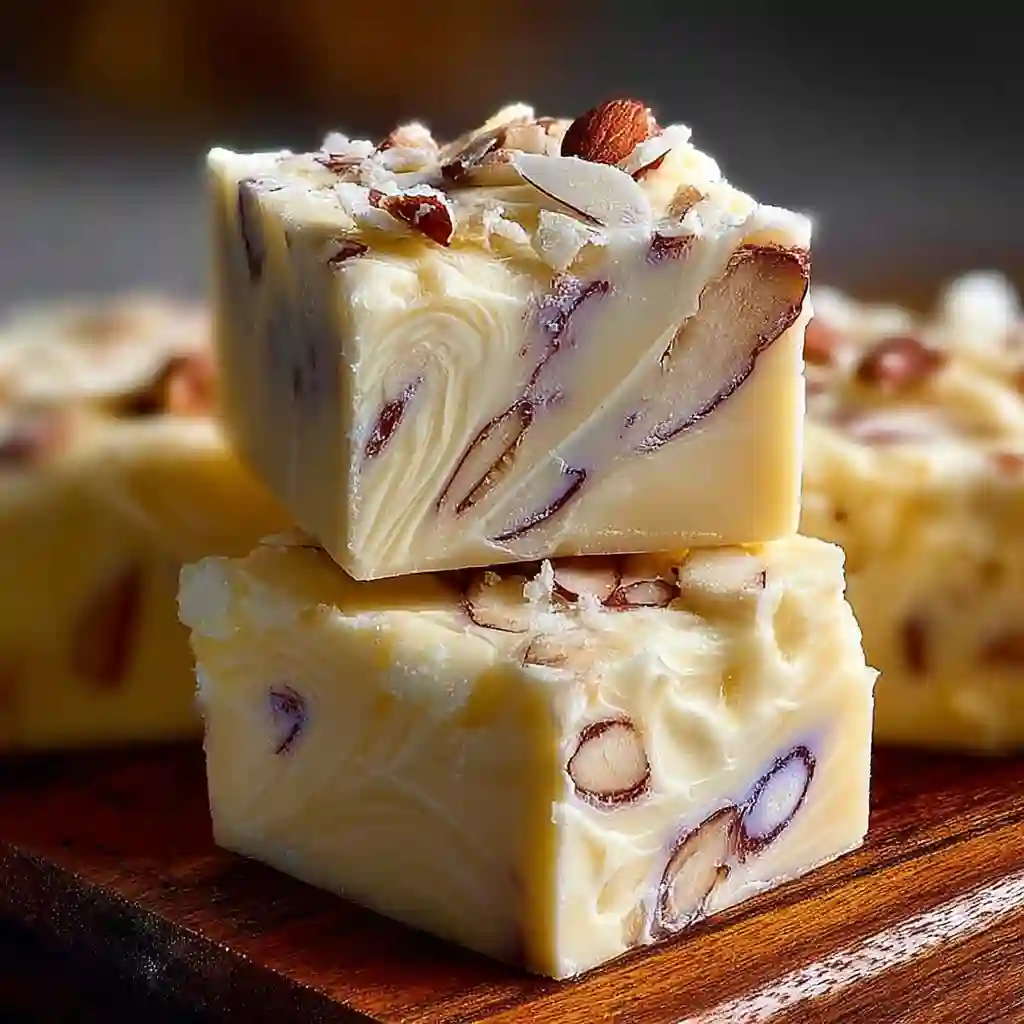
At its core, divinity fudge ingredients are simple, but their quality matters. You need granulated sugar, corn syrup, and egg whites. The corn syrup is non-negotiable; it acts as an “interfering agent” that prevents the sugar from crystallizing back into grainy particles.
This ensures the smooth texture we all crave. When researching divinity fudge history, you’ll find that corn syrup revolutionized home candy making by stabilizing these mixtures. Furthermore, using room-temperature egg whites is crucial for achieving maximum volume.
Cold whites simply won’t whip up as high, leading to a dense candy. Whether you are using a grandmas old fashioned divinity recipe or a modern adaptation, these three pillars remain constant in every divinity fudge recipe.
Flavor Enhancers and Mix-ins
While the base is sweet, the flavor comes from the mix-ins. High-quality vanilla extract is standard, but I prefer a pure vanilla bean paste for those little specks of flavor. Toasted pecans are the traditional partner, providing a bitter, nutty contrast to the sugar. Salt is another critical component often overlooked in easy divinity fudge recipes; it cuts the cloying sweetness and rounds out the flavor profile.
Some adventurous cooks even experiment with cherry divinity fudge by adding chopped candied cherries, or create jujube divinity candy recipe variations for a chewy texture. However, the classic pecan version remains the gold standard for old fashioned divinity fudge recipe enthusiasts.
Equipment Checklist for Candy Making Success
Success in candy making is often 50% recipe and 50% equipment. You absolutely need a heavy-bottomed saucepan to conduct heat evenly; thin pans create hot spots that scorch the sugar. A calibrated candy thermometer is your best friend here.
While grandmothers might have used the cold water test, modern accuracy guarantees better results for your divinity fudge. Additionally, a stand mixer is vastly superior to a hand mixer for this task. Pouring hot syrup while beating requires both hands and a stable base.
Trying to make divinity fudge recipe easy with a hand mixer can be a recipe for disaster (and tired arms!). Investing in the right tools makes the process of creating heavenly divinity fudge much more enjoyable.
The Humidity Factor: When to Make Divinity
Why Rainy Days Ruin Divinity Candy
Here is a truth every Southern baker knows: never make divinity on a rainy day. Sugar is hygroscopic, meaning it attracts and absorbs water from the air. In high humidity (generally above 50%), the sugar syrup absorbs moisture as it cools, preventing the divinity fudge from setting properly.
Instead of firm, fluffy mounds, you end up with a sticky, gooey mess that refuses to dry. I once tried to make a divinity fudge recipe christmas candy batch during a thunderstorm, and let’s just say we ate “divinity spoon pudding” that year. It’s a lesson in respecting the environment. This sensitivity is why you rarely see divinity fudge for sale in open-air markets in humid climates; it requires a controlled environment.
Testing the Weather Before You Bake
Before you pull out the sugar, check the weather. If the barometric pressure is falling or it’s raining, save the project for another day. If you are unsure, you can perform a test batch or rely on the “cold water test” to see how the syrup behaves in the ambient air.
Even if you have the best divinity fudge recipe, Mother Nature can overrule you. Some modern kitchens with strong air conditioning can mitigate this, allowing you to make divinity fudge year-round, but the rule of thumb holds true.
If you are wondering where to buy divinity fudge because your climate is too wet, look for specialty candy shops that have climate-controlled kitchens. But for the home cook, a sunny, dry winter day is the perfect time to whip up some divinity hash fudge.
Step-by-Step Guide: How to Make Divinity Fudge
Step 1: Boiling the Sugar Syrup to Hard-Ball Stage
To begin, combine your sugar, water, and corn syrup in your saucepan. Stir over medium heat until the sugar dissolves, then clip on your thermometer and stop stirring. Allow the mixture to boil undisturbed. You are aiming for exactly 260°F. This is the “hard-ball” stage. Be extremely careful; this is essentially tasty napalm.
Safety is paramount when learning how to make divinity fudge. Do not rush this process by cranking the heat to high, as you risk caramelizing the sugar and ruining the white color essential for white divinity fudge recipe aesthetics. The goal is a clear, bubbling syrup that is incredibly hot. This step is the foundation of any divinity fudge recipe easy or complex.
Step 2: Whipping the Egg Whites to Stiff Peaks
While your syrup is bubbling away, keep an eye on the temperature. When the syrup hits about 250°F, start whipping your egg whites and salt in the stand mixer. You want them to reach stiff peaks just as the syrup reaches 260°F. Timing is everything. If the whites are ready too early, they can deflate and separate.
If they aren’t ready when the syrup is, the syrup might cool too much. It’s a bit of a juggling act, which is why microwave divinity fudge recipes exist for those intimidated by this timing though I argue the texture isn’t quite the same. Mastering this synchronization is what separates a novice from a pro at making divinity fudge ingredients sing.
Step 3: The Critical Pouring Technique
Once the syrup hits 260°F and the whites are stiff, turn the mixer to high speed. Very slowly, pour the hot syrup in a thin, steady stream down the side of the bowl. Do not hit the whisk directly, or you will spin hot sugar threads all over your kitchen (spun sugar is great, just not for cleaning up!).
This slow introduction cooks the egg whites gently and incorporates the syrup without collapsing the foam. This is the moment where your kitchen begins to smell like divinity candy origin stories sweet, warm, and comforting. Whether you are making easy divinity fudge recipe variations or the classic, this pouring technique is universal.
Step 4: Beating Until the Gloss Goes Matte
After all the syrup is added, add your vanilla. Continue beating on high. Now, you watch. The mixture will initially be glossy and shiny. As it cools and aerates, it will start to lose that sheen and take on a matte, satin finish. It will also begin to hold its shape firmly. This usually takes 5 to 10 minutes.
This visual cue the loss of gloss is the most reliable indicator that your divinity fudge is ready to spoon. If you beat too long, it sets in the bowl; too little, and it puddles. Once it hits that matte stage, fold in your pecans immediately. You have to move fast! This urgency is part of the thrill of making divinity candy fudge.
Troubleshooting Common Divinity Disasters
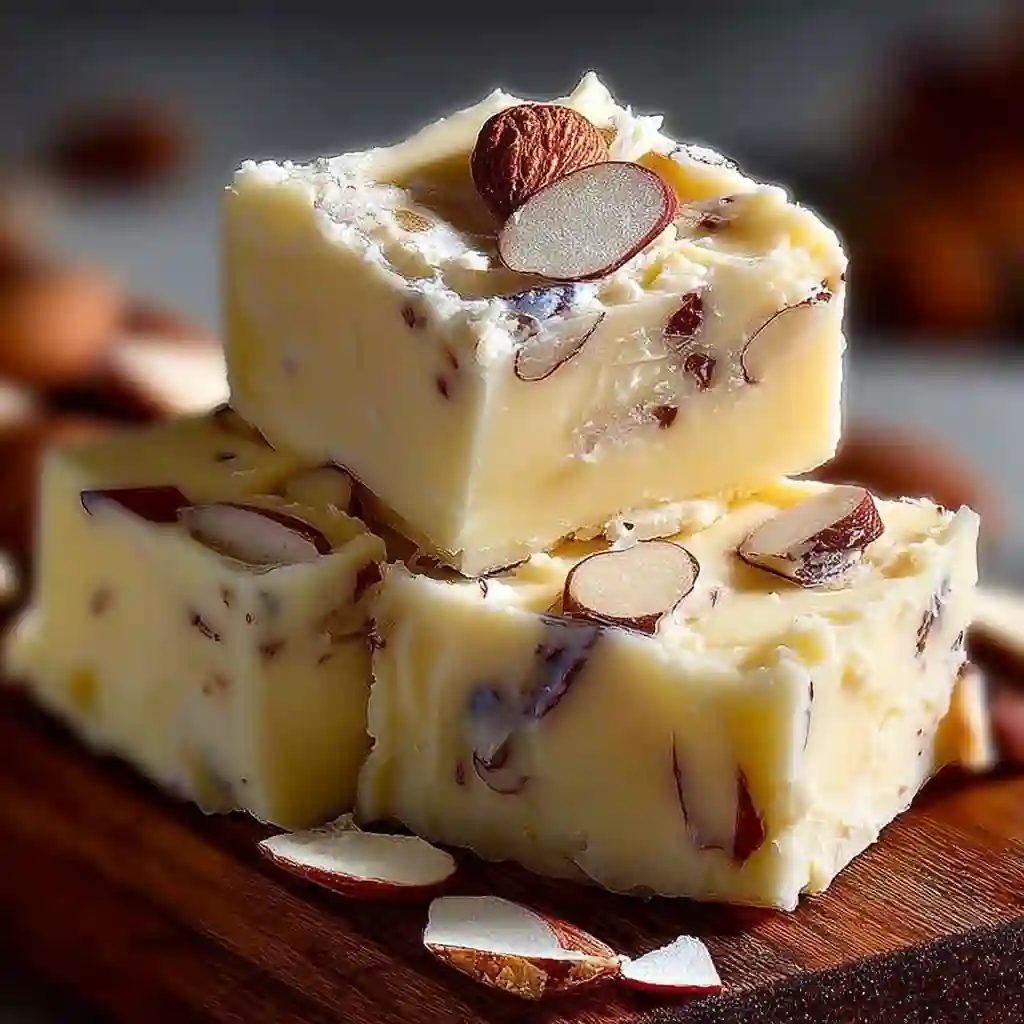
Why is My Divinity Runny or Sticky?
If your batch ends up puddle-like, it is usually due to undercooked syrup or high humidity. If the thermometer wasn’t accurate and you didn’t reach the full hard-ball stage, the structure won’t hold. Alternatively, if it’s raining, the sugar has absorbed too much water.
Don’t despair! You can’t exactly “fix” it into candy, but you can use the sticky mixture as a delicious ice cream topping or a filling for cookies. It’s not a total loss. I’ve seen people try to microwave it to save it, but microwave divinity fudge fixes are hit-or-miss. Next time, double-check your thermometer and the weather before starting your divinity fudge recipe.
Why Did My Divinity Fudge Become Crumbly?
On the other end of the spectrum is divinity fudge that turns into sugary dust. This happens if the syrup was cooked too high (past 260°F) or, more commonly, if you beat the mixture for too long in the mixer.
It starts to set before you can spoon it out. If you notice the mixture getting too stiff while beating, add a teaspoon of hot water immediately to loosen it up. This little trick can save a batch of divinity fudge recipe christmas candy. It’s better to have it slightly softer than to have it crumble into powder. Understanding these textures helps you troubleshoot any recipe for divinity fudge.
Flavor Variations and Creative Twists
Cherry Divinity and Holiday Colors
For Christmas, my aunt loved to make cherry divinity fudge. She would fold in chopped candied cherries (green and red) for a festive look. You can also add a drop of red or green food coloring to the syrup for divinity fudge that matches your holiday decor. These colorful additions make the candy pop on a dessert tray.
Just be sure to dry the cherries thoroughly on paper towels so they don’t add extra moisture to the white divinity fudge recipe. It’s a simple modification that transforms the classic white mounds into jewel-toned treats, perfect for divinity fudge for sale at charity bake sales.
Brown Sugar Divinity (Sea Foam Candy)
If you swap the white sugar for brown sugar, you enter the territory of “Sea Foam” candy. This variation has a deeper, caramel-like flavor that is absolutely addictive. Some regions actually refer to this as divinity fudge as well, blurring the lines.
The method is identical, but the molasses in the brown sugar adds a complexity that pairs wonderfully with walnuts. It’s a rustic cousin to the pristine white version. If you love divinity and fudge, trying a brown sugar version bridges the gap between the two flavor profiles beautifully.
Chocolate Swirl and Peppermint Options
For the chocolate lovers who can’t decide between divinity p fudge and chocolate, try a swirl. Melt some chocolate chips and gently fold them in at the very end, just once or twice, to create a marble effect. Do not overmix, or you’ll get a light brown sludge. Another favorite is adding crushed peppermint candies for a wintery kick.
These divinity fudge recipe variations keep the tradition alive while catering to modern palates. You can even dip the bottoms of the set divinity mounds in dark chocolate for a professional finish that rivals any divinity fudge near me shop.
Storing and Freezing Divinity Candy
Room Temperature Storage Rules
Proper storage is critical. Store your divinity fudge in an airtight container at room temperature. Line the container with wax paper and place sheets of wax paper between layers to prevent them from sticking together.
Never store divinity in the refrigerator; the humidity inside the fridge will cause the sugar to weep, turning your fluffy candy into a sticky mess. If stored correctly in a cool, dry place, homemade divinity can last for up to two weeks. This shelf stability makes it an excellent candidate for shipping to loved ones, provided you pack it well.
Can You Freeze Divinity?
A common question is, can you freeze divinity fudge? The answer is yes, but with caveats. You can freeze it for up to 3 months. Place the candies in an airtight container with wax paper separators. When you are ready to eat them, take the container out of the freezer and let it come to room temperature before opening the lid.
This prevents condensation from forming on the cold candy, which would ruin the texture. This method allows you to get a head start on your holiday baking. It’s a great tip for anyone managing a busy schedule while trying to produce divinity fudge recipe easy quantities for gifts.
More easy Recipes To Try!
Frequently Asked Questions (FAQs)
What is the difference between fudge and divinity?
The main difference lies in the ingredients and texture. Traditional fudge is made with sugar, butter, and milk or cream, resulting in a dense, creamy block. Divinity fudge is made with sugar, corn syrup, and egg whites, creating an airy, nougat-like texture that is much lighter and drier.
What does divinity fudge taste like?
Divinity fudge tastes like a sweet, airy cross between a marshmallow and nougat. It has a melt-in-your-mouth quality with a vanilla-forward flavor profile, usually punctuated by the crunch of toasted pecans. It is intensely sweet but light.
What is divinity and how do you make it?
Divinity is a confection made by pouring hot sugar syrup (cooked to the hard-ball stage) into stiffly beaten egg whites. You make it by whipping the mixture until it loses its gloss and holds its shape, then spooning it onto wax paper to set.
Is divinity the same as meringue?
No, though they are related. Meringue is typically egg whites and sugar baked in an oven to dry out. Divinity is cooked by the heat of the sugar syrup itself and is not baked. The result is a denser, chewier candy compared to the brittle crunch of a meringue cookie.
Why won’t my divinity set properly?
If your divinity fudge won’t set, it is likely due to high humidity in the air or undercooking the sugar syrup. The syrup must reach 260°F to remove enough moisture for the candy to hold its structure.
How long does homemade divinity last?
When stored in an airtight container in a cool, dry place, homemade divinity can last for about 10 to 14 days. If frozen properly, it can last up to 3 months.
Where can I find divinity fudge if I don’t want to cook?
You can search for divinity fudge near me at local bakeries, especially during the holidays. Many specialty candy stores and online retailers also offer divinity fudge for sale. However, checking the divinity fudge catherine opie (likely a mis-search for a specific recipe or person) or betty crocker divinity recipe will guide you back to making it yourself!
Search Trends Note: Whether you are looking for divinity fudge catherine opie inspired art or simply a delicious easy divinity fudge treat, the enduring popularity of this candy proves that some classics never go out of style. From divinity hash fudge experiments to the best divinity fudge recipe hunts, the love for this sugary cloud remains strong.
For those interested in what is divinity fudge made of or exploring divinity white fudge variations, remember that patience and low humidity are your best ingredients.