
Overnight oats represent an unparalleled solution for obtaining a high-fiber, protein-rich, and supremely convenient breakfast.
This no-cook method revolutionizes morning nutrition, transforming simple whole grains into a creamy, satiating meal base ready upon waking.
This comprehensive guide provides expert instruction on foundational ratios, nutritional science, and advanced flavor customization, enabling readers to master this essential component of Healthy Breakfast Recipes and optimize their dietary intake.
Easy Overnight Oats
Equipment
- Mason Jar – 16 ounces
Ingredients
- 1/2 cup sweetener honey or maple syrup (optional) old-fashioned rolled oats
- 1/2 cup milk of choice
- 1/4 cup non-fat plain Greek yogurt (optional add-in)
- 1 Tbsp chia seeds (optional add-in)
- 1 Tbsp sweetener honey or maple syrup (optional)
- 1/4 tsp vanilla extract (optional add-in)
Instructions
- In the morning, stir the oats. If desired, thin with a bit more milk or water. Add your favorite toppings (fruit, nuts, nut butter, etc.) just before serving.
- Cover the container with a lid or plastic wrap. Place it in the refrigerator for at least 2 hours preferably overnight.
- In the morning, stir the oats. If desired, thin with a bit more milk or water. Add your favorite toppings (fruit, nuts, nut butter, etc.) just before serving.
Notes
Table of Contents
The Essential Guide to Making Perfect Overnight Oats
I distinctly recall the first time my grandmother, a formidable figure who always emphasized the importance of a hearty morning meal, introduced me to the concept of cold-soaked grains.
She did not call them overnight oats; she merely referred to them as a sensible way to manage a busy morning, preparing the mixture the night before so that I, a perpetually tardy student, would never skip breakfast.
I remember observing her process: a precise measure of grain, an equal measure of milk, a sprinkle of something to thicken the mixture, and then into the “ice box” it went.
I believe this early lesson solidified my understanding that the seemingly simple combination of just a few ingredients requires intentional choices to achieve culinary excellence.
The Two-Ingredient Base for Classic Overnight Oats
The fundamental success of any overnight oats preparation rests upon the utilization of the correct grain and the adherence to an essential ratio: the oats to liquid ratio should ideally maintain a precise 1:1 relationship by volume.
For instance, I consistently use $1/2$ cup of the chosen dry grain and $1/2$ cup of liquid. This proportion ensures that the oatmeal achieves the perfect hydration level, resulting in a thick, yet smooth consistency, rather than a dry or excessively watery outcome.
When crafting this base, I believe it is critical to focus on the grain itself; the choice of oat variety is non-negotiable for superior texture.
It is paramount to use old-fashioned rolled oats for this method. I find their larger surface area and moderate processing level allow them to absorb the liquid thoroughly without dissolving into a gluey mass.
Conversely, I strongly advise against using instant or quick oats, as their finer cut causes them to become excessively mushy and lose desirable textural integrity after soaking.
Similarly, while steel-cut oats are wonderfully nutritious, their density and minimal processing prevent them from softening adequately via cold soaking, and they typically require cooking to become palatable.
Choosing the appropriate liquid further tailors the nutritional profile and flavor. I have experimented extensively with various liquids, including traditional dairy milk, as well as plant-based alternatives such as almond milk, cashew milk, coconut milk, and oat milk.
Even filtered water can function, though I prefer the richness and nutritional boost provided by milk.
Step-by-Step Method: How to Make Overnight Oats Properly
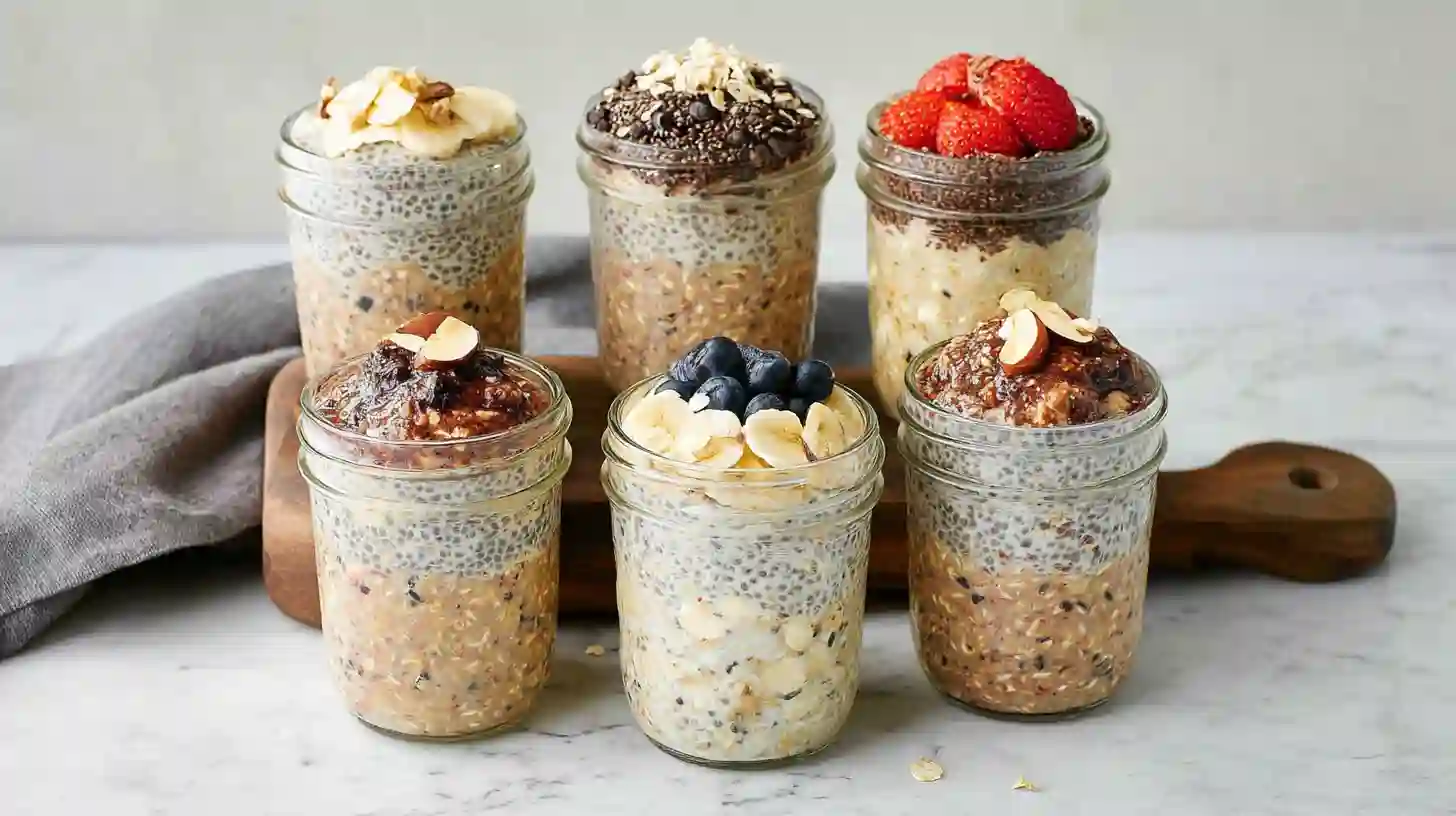
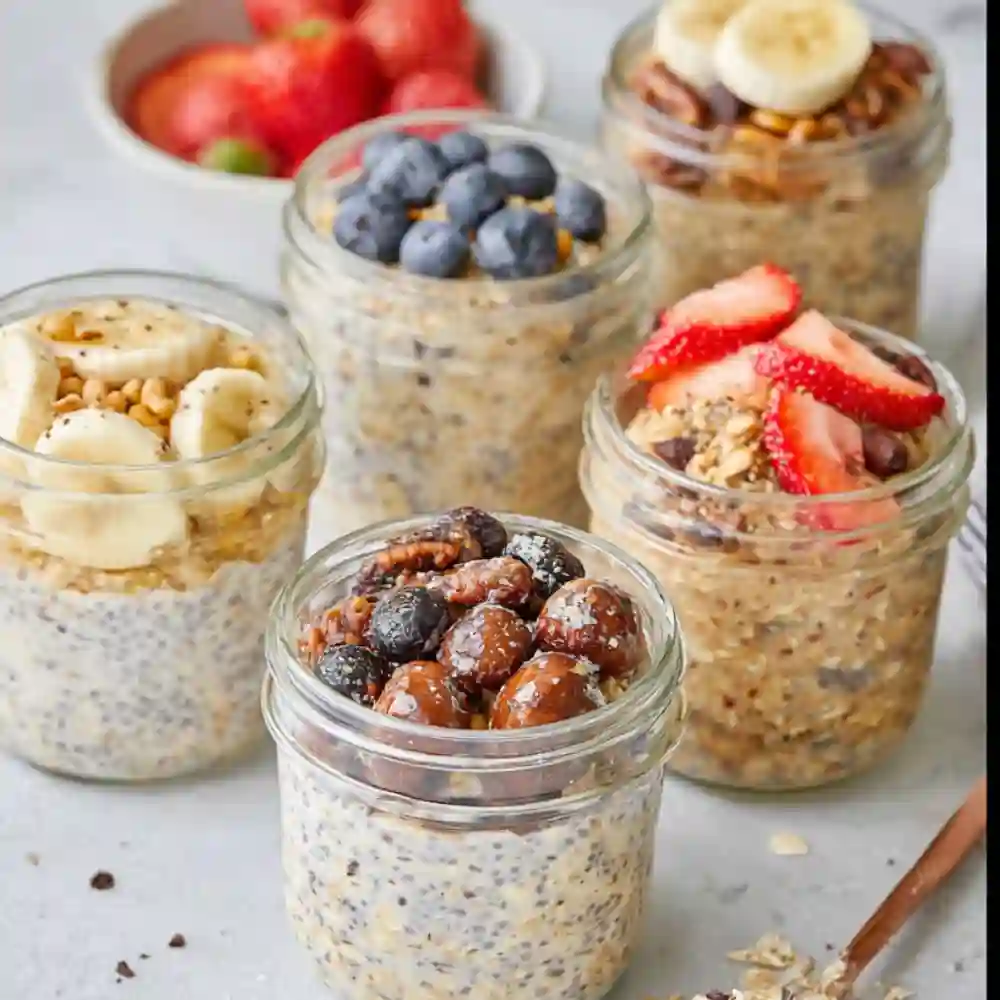
My preparation begins with selecting the appropriate vessels. I find that using mason jars or similar glass containers is optimal for both the preparation process and for creating convenient, individual Overnight Oats In A Jar portions ready for immediate consumption.
The first step involves placing the rolled oats and any foundational dry ingredients, such as spices, into the jar. Next, I introduce the liquid and any wet ingredients, such as sweeteners.
The most critical technique I employ is the optimal mixing process. I always stir the ingredients together thoroughlynot just a gentle swirl, but a vigorous mix that reaches the bottom edges of the container.
This meticulous combination ensures that no pockets of dry oats or clumps of added ingredients remain, guaranteeing uniform hydration. Following the mixing, the container is sealed with a lid or plastic wrap, and then the essential period of chilling and soaking commences.
I have found that while a minimum of two hours of refrigeration allows the oats to hydrate sufficiently to be edible, the superior, pudding-like texture that makes this method so popular is only achieved after a true overnight soak, typically between eight and twelve hours.
This extended period allows the starches in the oats to absorb the liquid fully, maximizing the desired creamy consistency.
The Role of Chia Seeds and Yogurt in the Mixture
To elevate the standard oat-and-milk base into a truly decadent and structurally sound breakfast, I wholeheartedly recommend incorporating two key additions: chia seeds and Greek yogurt. I consider chia seeds to be the secret weapon of the perfect overnight oats preparation.
When these minute seeds interact with the liquid, they form a mucilaginous gel that significantly contributes to thickening the entire mixture. This gelling action is why chia seeds are highly recommended, transforming the texture from simple hydrated oats into a luxurious, pudding-like consistency.
Generally, I find that one tablespoon of chia seeds for every half-cup of rolled oats is the ideal ratio for achieving this desired texture. Furthermore, I routinely incorporate Greek yogurt—or a high-protein vegan alternativeinto my recipes.
This addition provides a substantial protein boost, enhances the richness, and imparts an extra layer of desirable creaminess. The yogurt’s inherent tang also offers a pleasant balance against any added sweetness.
Health Benefits and Nutritional Power of Overnight Oats
My dedication to preparing and consuming overnight oats is rooted not only in their sheer convenience but, more significantly, in the profound health benefits and nutritional power they offer.
I consider this meal to be one of the most effective ways to start the day, providing both immediate energy and long-term satiety that supports my overall wellness objectives.
The simple act of soaking the oats overnight, rather than cooking them, does not diminish their inherent nutritional value; in fact, I believe it may even enhance the bioavailability of certain nutrients.
Fueling Your Morning: Protein, Fiber, and Sustained Energy
The core nutritional advantage of this dish is its potent combination of fiber and complex carbohydrates, which are essential for sustained energy release.
The specific fiber I find most remarkable is beta-glucan, a soluble fiber naturally abundant in oats. Peer-reviewed research substantiates that this compound is beneficial for human health, particularly in its ability to contribute to lower blood cholesterol levels and regulate postprandial glucose response.
I recognize this specific component as the fiber advantage that keeps me feeling full and energized throughout my busiest mornings, actively preventing the energy crashes that are often associated with highly refined breakfast cereals.
Furthermore, the act of creating these recipes naturally fosters improved digestive health and gut benefits. The soaking process involves an element of fermentation that can aid in breaking down starches, potentially making the final product easier to digest.
The high fiber content acts as a prebiotic, nourishing the beneficial microorganisms in the gut. When I craft my mixture, I deliberately focus on the macronutrient breakdown to achieve a truly balanced breakfast. By incorporating ingredients like Greek yogurt or protein powder, nuts, and chia seeds, I can ensure my serving is rich in quality carbohydrates, high in protein, and contains essential healthy fats, thereby optimizing my nutrient intake.
| Key Nutritional Component | Primary Benefit in Overnight Oats | Scientific Basis/Role |
| Beta-Glucan | Prolongs satiety; helps lower LDL cholesterol. | Soluble fiber that forms a gel in the digestive tract. |
| Protein (from add-ins) | Supports muscle repair and growth; enhances fullness. | Critical macronutrient for metabolic processes. |
| Complex Carbohydrates | Provides sustained energy release throughout the morning. | Slow-digesting starches that prevent blood sugar spikes. |
| Omega-3 Fatty Acids (from seeds) | Supports brain health and anti-inflammatory processes. | Essential healthy fats. |
Overnight Oats for Weight Loss and Meal Prepping
In my personal experience, integrating overnight oats into my routine has been exceptionally helpful for managing my appetite.
I attribute this success to the way the high fiber and protein content actively aids in managing appetite, minimizing the impulse to snack unnecessarily between meals. The fiber expands in the stomach, promoting prolonged satiety, which is a critical factor for anyone focused on weight management.
The inherent design of this food perfectly supports the modern need for efficiency. The convenience of easy, grab-and-go meal prep for busy lifestyles is, in my opinion, one of its greatest appeals.
I regularly prepare four or five servings on a Sunday evening, creating a supply of Easy High Protein Meal Prep Meals that are immediately accessible during the work week.
This preemptive preparation eliminates morning decision-making and ensures that a nutritious, calorie-conscious breakfast is always at hand. Crucially, I have developed tips for keeping my recipe low-sugar and calorie-conscious by using unsweetened milk alternatives and relying primarily on fresh or frozen fruit for natural sweetness, rather than excessive amounts of refined sweeteners.
For those interested in focused nutrient intake, mastering the basic recipe is essential before advancing to complex flavors.
Mastering the Flavor: Sweeteners, Spices, and Add-Ins
Once the foundational base of oats and liquid has been perfected, the true artistry of this breakfast lies in mastering the flavor through careful selection of sweeteners, spices, and supplemental add-ins.
I believe that flavor customization is what prevents food fatigue and ensures that this healthy habit remains a joyful part of one’s diet. I constantly experiment with different profiles, realizing that the combination of sweetness, warmth, and texture can elevate this simple meal into a gourmet experience.
Choosing Your Sweetener: Natural vs. Artificial Options
The simplest method to enhance palatability is through the controlled application of sweeteners. I find that natural liquids such as honey and maple syrup offer excellent flavor complexity while providing an element of unrefined sugar.
For sweetness control, I advise incorporating these in moderation, typically starting with one teaspoon per half-cup of oats and adjusting based on the inherent sweetness of other ingredients, such as fruit.
However, for those seeking to minimize added sugars, I often recommend using mashed fruits (e.g., ripe banana, finely diced dates, or apple sauce) for natural sweetness. These fruits not only impart sweetness but also contribute additional fiber, vitamins, and minerals, making them a nutritionally superior choice.
To add depth beyond mere sweetness, I consistently rely on various spices. I believe that boosting flavor with vanilla extract, cinnamon, and other warm spices is a simple yet transformative technique.
A dash of pure vanilla extract provides a rich aroma, while ground cinnamon not only offers a distinctive flavor but is also recognized for its potential antioxidant properties. Other spices I enjoy integrating include cardamom, nutmeg, and a pinch of ground cloves, especially when crafting autumnal or holiday-inspired variations.
Top 10 Toppings and Mix-Ins for Incredible Oats
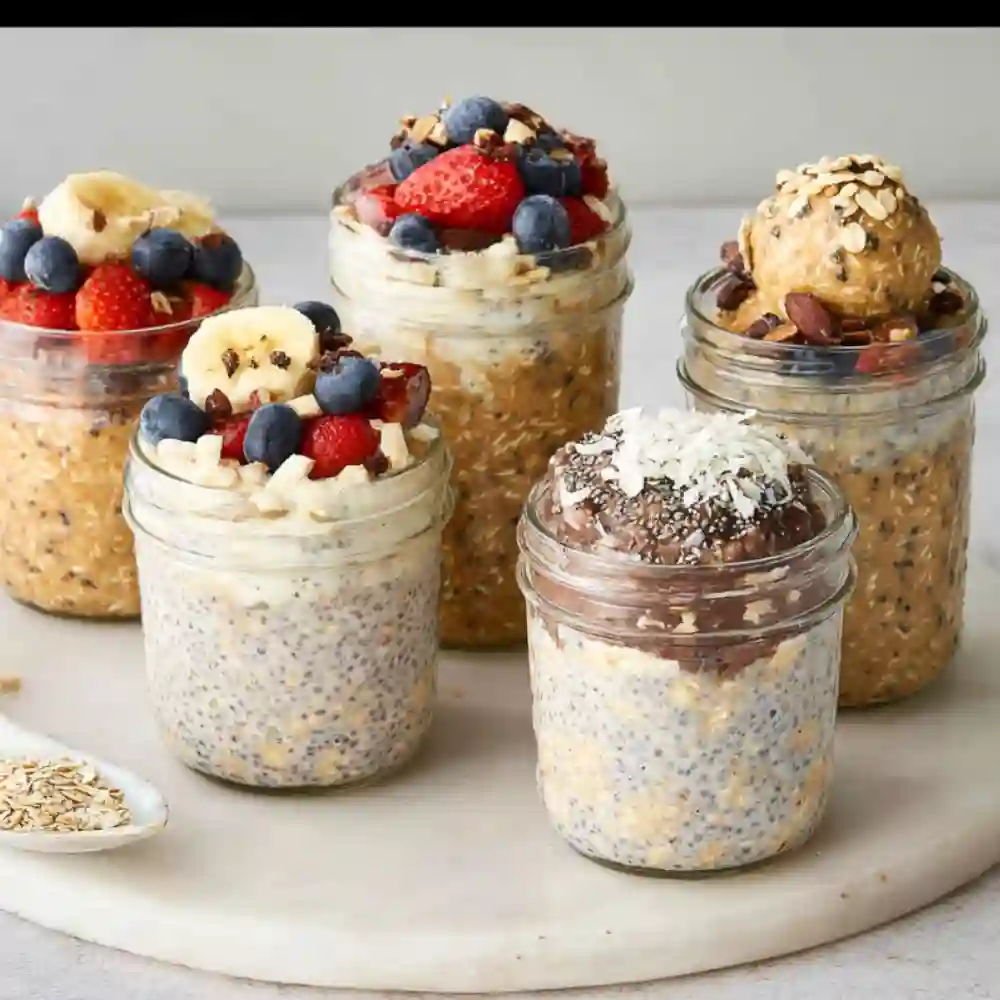
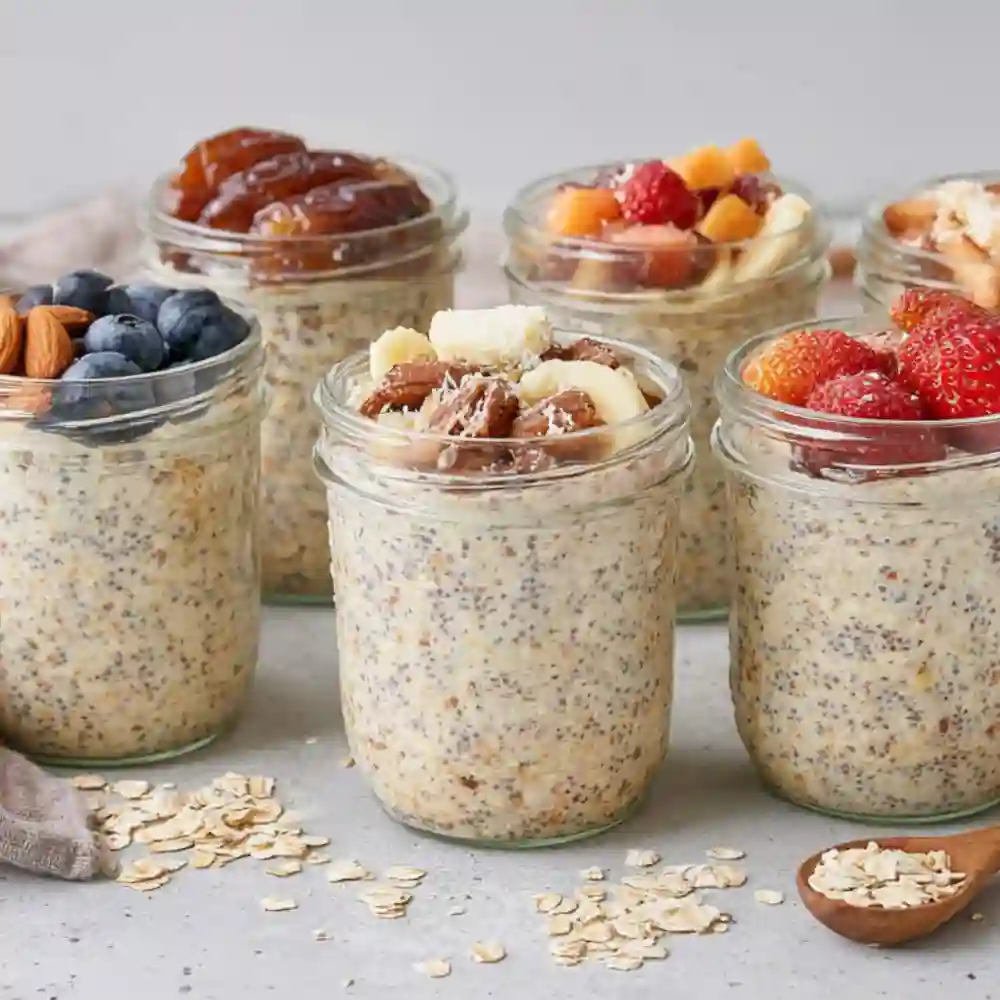
The most exciting phase of preparation involves the selection of toppings and mix-ins, which introduce crucial textural and nutritional variety. I always categorize these additions based on function: freshness, crunch, and superfood integration.
For freshness, I consistently use fresh and frozen fruit powerhouses such as blueberries, raspberries, sliced bananas, or diced apples.
I prefer adding fresh fruits immediately before serving to maintain their crispness, but I often stir frozen berries into the mixture overnight, allowing them to gently thaw and release their juices, staining the oatmeal with a vibrant, natural color and flavor.
To achieve the desired crunch factor, I use ingredients like toasted chopped nuts (almonds, walnuts, or pecans), seeds (pumpkin or sunflower), or shredded toasted coconut.
The contrast between the creamy, chilled overnight oats and a handful of crunchy ingredients provides a highly satisfying eating experience.
Finally, I always consider the addition of superfood ingredients for their nutritional density. I routinely add ground flaxseeds for omega-3 essential fatty acids and lignans, hemp hearts for plant-based protein, or a teaspoon of high-quality cocoa powder for an antioxidant boost and chocolate flavor.
I believe this strategic inclusion turns the meal into an exceptionally nutrient-dense breakfast option.
Tips for Adjusting Consistency and Texture
One common issue I encounter when discussing this recipe is the inconsistency of the final product’s texture. I always advise readers on how to troubleshoot this effectively.
If, upon opening the jar in the morning, the mixture is too thick, I recommend thinning it with a little extra milk or watera teaspoon at a timeuntil the desired, spoonable texture is achieved. I find that this often happens when additional dry ingredients, such as protein powder, have been added.
Conversely, if the oatmeal is too runny, the solution is typically quite straightforward: the chia seed solution. By adding an extra half-teaspoon of chia seeds and allowing the mixture to soak for another 30 to 60 minutes, the mixture will thicken substantially.
Regarding temperature, while the dish is traditionally served cold, I understand that some prefer warmth. My tip for warming up your overnight oats is to transfer the soaked portion to a microwave-safe bowl and heat it gently for 30 to 60 seconds.
However, I must emphasize that gentle heating is necessary to prevent the mixture from boiling over or developing an overly paste-like consistency.
7 Delicious and Creative Overnight Oats Recipes
My journey in perfecting this breakfast has led me to develop a repertoire of delicious and creative overnight oats recipes designed to satisfy diverse palates and specific dietary goals.
I have found that providing distinct, actionable recipes is the most effective way to encourage people to make this a staple in their diet, proving that the basic formula is an exceptional foundation for culinary creativity.
I believe these distinct combinations show the versatile application of the core principles.
High-Protein Overnight Oats (No Powder Needed)
For individuals focused on fitness and muscle recovery, achieving a high-protein breakfast without resorting to synthetic powders is a frequent goal.
I developed my High-Protein Overnight Oats recipe specifically to address this need, utilizing naturally high-protein whole foods.
- Recipe: Greek Yogurt and Peanut Butter Combination
- Base: $1/2$ cup rolled oats, $1/2$ cup milk (dairy or protein-rich plant-based), 1 tablespoon chia seeds.
- Protein Boost: $1/4$ cup Greek yogurt (plain, high-protein variety) and 2 tablespoons natural peanut butter or almond butter.
- Flavor/Sweetener: 1 teaspoon maple syrup, $1/4$ teaspoon vanilla extract.
- Focus: This recipe places emphasis on post-workout recovery and muscle building, providing approximately 20 grams of protein per serving, making it an excellent Protein Overnight Oats Healthy Recipe.
Decadent Dessert-Inspired Oatmeal Variations
I often create variations that feel indulgent, making the act of eating healthily a true pleasure. These dessert-inspired recipes satisfy cravings while delivering superior nutrition compared to conventional baked goods.
- Recipe: Chocolate Banana Bonkers Oatmeal
- Base: $1/2$ cup rolled oats, $1/2$ cup milk, 1 tablespoon chia seeds.
- Flavor/Mix-ins: 1 tablespoon unsweetened cocoa powder, 1/2 mashed ripe banana (for sweetness and creaminess).
- Topping: Sliced bananas and a sprinkle of mini chocolate chips before serving. This recipe demonstrates how Easy Overnight Oats Recipes can taste like a treat.
- Recipe: Blueberry Cheesecake or Apple Pie Flavors
- I achieve the Blueberry Cheesecake flavor by incorporating $1/4$ cup of cream cheese or a dairy-free cream cheese alternative, mixing it thoroughly with blueberries, and a pinch of lemon zest.
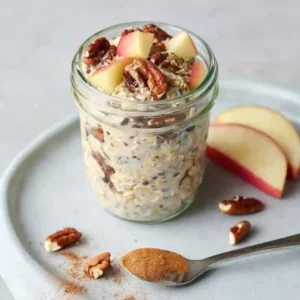
- The Apple Pie variation involves using apple sauce instead of milk for half the liquid, adding cinnamon, nutmeg, and finely diced, uncooked apple pieces to the mixture before chilling.
Vegan and Dairy-Free Overnight Oats for Every Diet
Recognizing the increasing preference for plant-based eating, I always ensure my repertoire includes vibrant, satisfying vegan options. The secret to rich flavor in these versions is the choice of milk and creamy fat source.
- Recipe: Coconut Cream and Tropical Fruit Preparation
- Base: $1/2$ cup rolled oats, $1/4$ cup water, $1/4$ cup full-fat coconut milk (canned, stirred well).
- Mix-ins: 1 tablespoon chia seeds, 1 tablespoon shredded coconut.
- Topping: Diced fresh mango and pineapple.
- Focus: This variation exemplifies using plant-based milks and yogurts effectively. I rely on oat, almond, or cashew milk as staple choices, recognizing that overnight oats vegan preparations should prioritize the richness often lost when dairy is excluded. For those seeking overnight oats high protein without dairy, I recommend incorporating a plant-based protein powder or using a high-protein soy milk as the liquid component. The versatility of the method ensures that there is a delicious option for every dietary need.
Common Mistakes and Advanced Troubleshooting
My comprehensive experience with preparing and enjoying this dish has allowed me to identify several common mistakes and develop advanced troubleshooting techniques that I now share to ensure consistent success for every preparer.
I believe that understanding these pitfalls is key to maximizing the enjoyment of the recipe. I frequently hear from individuals who are discouraged by a poor first attempt, usually rooted in a simple, avoidable error.
Identifying the Wrong Oats and Liquids
The most frequent error I observe relates directly to the ingredients chosen. I must reiterate the absolute necessity of using old-fashioned rolled oats.
The texture of the final product hinges on this choice. The critical difference in texture is apparent immediately upon consumption: I have found that when quick oats are used, they become excessively soft, almost like baby food, which many find unpalatablethis is why quick oats get mushy and steel-cut won’t soften.
Steel-cut oats, as previously noted, simply do not absorb liquid sufficiently via cold soaking, remaining stubbornly hard and chewy.
Furthermore, while any milk contributes to the creamy texture, I find that using water alone is not recommended for maximum flavor and nutritional density.
Water hydrates the oats perfectly well, but it leaves the final product thin and lacking the richness and protein that milk, whether dairy or plant-based, naturally provides. Therefore, I advise against using only water as the liquid base if the goal is a satisfying, flavorful meal.
Temperature, Storage, and Shelf Life of Your Oats
Once the ingredients are combined, the proper refrigeration environment is crucial. I advise maintaining the temperature of the container securely in the coldest part of the refrigerator.
The proper container sealing is also essential; a tight-fitting lid prevents the oats from absorbing ambient refrigerator odors and maintains maximum freshness.
A common question I receive is regarding the shelf life of your prepped overnight oats. My experience suggests that you can safely store a batch of prepared oats for approximately four to five days in the refrigerator.
This generous timeframe makes them ideal for batch-prep considerations and ensures that your weekly breakfast is sorted. However, I always recommend consuming them within the first three days for optimal texture and taste, particularly if fresh fruit toppings were mixed in early.
Finally, I address the complaint of the common “mushy” or “gluey” texture. This issue usually stems from using quick oats or an incorrect, excessively high liquid ratio.
If you find your prepared oats possessing this undesirable texture, the only solution, regrettably, is to adjust your next batch’s ingredients, decreasing the liquid component slightly and ensuring you use only the robust rolled oats.
If I were to summarize my most important piece of advice, it would be to trust the 1:1 ratio.
More easy Recipes To Try!
Frequently Asked Questions (FAQs) About Overnight Oats
What is the basic formula for overnight oats?
I have found that the core basic formula for overnight oats is a simple $1:1$ ratio of dry oats to liquid. For example, one would combine $1/2$ cup of rolled oats with $1/2$ cup of milk. This core ratio is the non-negotiable starting point for the perfect creamy consistency, which can then be supplemented with other additions.
What kind of oatmeal is best for overnight oats?
The consensus, which I strongly support, is that old-fashioned rolled oats are best for overnight oats. These oats possess the ideal thickness and surface area to absorb liquid effectively without becoming overly soft or dissolving, which is the problem encountered with finely cut quick oats.
How long do overnight oats actually need to soak?
While technically a minimum of two hours of soaking time is required to hydrate the oats enough to render them edible, I always recommend an extended soak of eight to twelve hoursa true overnight soak to achieve the best texture.
This longer duration permits the full absorption necessary for the rich, pudding-like consistency.
What are the two ingredients in overnight oats?
The fundamental two ingredients in overnight oats are rolled oats and a liquid, typically milk (dairy or plant-based). Everything elseyogurt, chia seeds, sweeteners—is considered a desirable, though technically optional, enhancement to this foundational pair.
How to make overnight oats properly?
I teach that the proper preparation involves three simple steps: first, combine all dry ingredients and oats in a jar; second, add all liquids and wet ingredients, including any sweetener; and third, mix thoroughly until fully combined, then seal and chill overnight.
This straightforward method ensures successful Breakfast Overnight Oats.
What is the ratio of liquid to chia seeds?
When incorporating chia seeds for thickening, I adhere to a standard recommendation of one tablespoon of chia seeds per half-cup of rolled oats.
This ratio is typically sufficient for creating that satisfying, thickened texture that mimics a true pudding, preventing the mixture from becoming excessively runny without making it too gelatinous.