
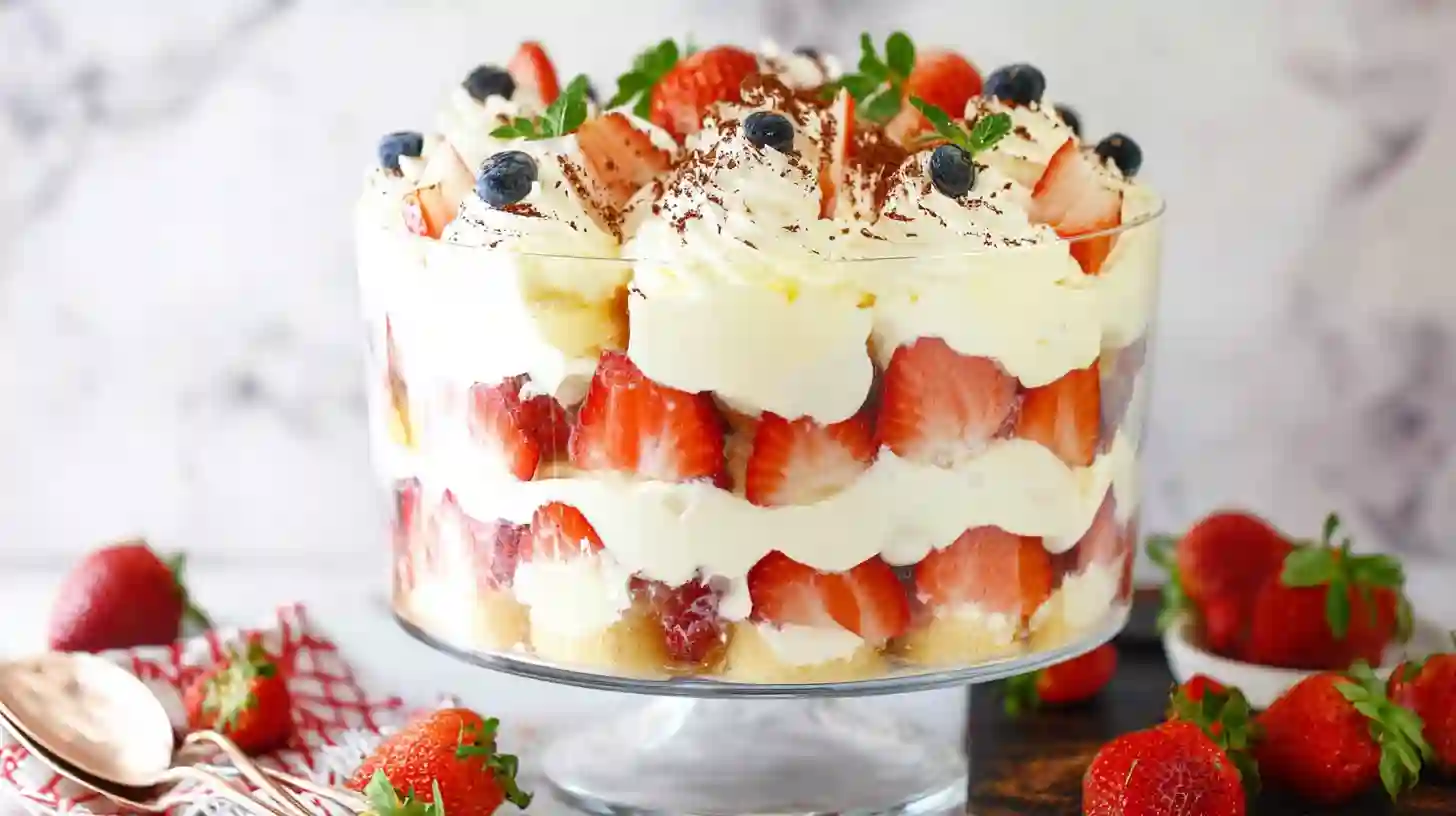
Introduction Unlock the secret to creating the ultimate centerpiece for your next gathering with this comprehensive guide to trifle desserts recipes. Whether you are seeking an elegant holiday showstopper or a simple summer treat, the art of the trifle lies in its versatile, decadent layers of texture and flavor.
This article provides essential techniques, historical context, and expert tips to help you master trifle desserts, ensuring every spoonful is a perfect balance of cake, fruit, custard, and cream. Discover why this classic dish remains a timeless favorite for celebrations worldwide.
Trifle Desserts Recipes

Equipment
- Trifle Dish
- Mixing bowls
- Whisk
Ingredients
Trifle Layers
- 1 box cake mix baked and cubed (vanilla, chocolate, or sponge cake)
- 2 cups vanilla pudding or custard
- 2 cups whipped cream homemade or store-bought
- 2 cups fresh fruit such as strawberries, blueberries, or raspberries
Optional Toppings
- chocolate shavings optional garnish
- crushed cookies or nuts optional layer for crunch
Instructions
- Prepare the cake according to the package instructions, then cut into cubes once cooled.
- In a large trifle dish, layer cake cubes at the bottom, followed by pudding, whipped cream, and fruit.
- Repeat the layers until the dish is filled, finishing with whipped cream and fruit on top.
- Add optional toppings like chocolate shavings, crushed cookies, or nuts for garnish.
- Chill for at least 1 hour before serving to let the flavors combine.
Notes
I vividly remember the first time I truly understood the architectural beauty of a trifle. It was not in a high-end culinary school, but in the humble, sun-drenched kitchen of my neighbor, Madame Claire. Although she was fiercely French, she had an unexpected adoration for this quintessential English dessert.
I watched her meticulous hands layer sponge cake soaked in raspberry reduction never alcohol, as she preferred the purity of fruit followed by a velvet-smooth vanilla custard. She told me, “To make trifle desserts recipes come alive, you must respect the integrity of each layer.
” That afternoon, standing over a vintage glass bowl, I realized that trifle desserts are more than just sweet ingredients thrown together; they are a study in patience, structure, and the harmonious marriage of flavors.
Since then, I have dedicated myself to perfecting this craft, experimenting with everything from easy trifle desserts to complex gourmet creations, always keeping Madame Claire’s lessons on precision close to my heart.
Table of Contents
Introduction to Trifle Desserts Recipes
What is a Trifle Dessert?
At its core, a trifle is a magnificent, layered confection that typically consists of fruit, sponge cake soaked in fruit juice or syrup, homemade custard, and whipped cream. It is a dessert that demands to be seen, usually served in a deep glass bowl to show off its stratified beauty.
When you look for a trifle dessert recipe, you will find that the fundamental concept is about building distinct textures that meld together over time. The sponge cake acts as the foundation, absorbing the liquids to become moist and flavorful, while the custard provides a creamy richness that binds the fruit and cake together.
The final flourish of whipped cream adds lightness to the dense layers below. I have found that the most successful trifle desserts recipes are those that balance the sweetness of the custard with the tartness of fresh fruit, ensuring that the final dish is not cloying but refreshingly indulgent. Whether you are making simple trifle desserts for a family dinner or an elaborate version for a gala, the definition remains the same: a celebration of layers.
The Anatomy of a Perfect Trifle
The anatomy of a perfect trifle is non-negotiable in its hierarchy, though flexible in its ingredients. It begins with the base, usually a sponge cake, ladyfingers, or even brownies, which I always ensure is porous enough to soak up the infusion of fruit syrups.
Above the cake sits the fruit layer, which can be fresh berries, poached pears, or tropical slices, providing a necessary burst of acidity. The third major component in trifle desserts recipes is the custard or pudding layer; this must be thick enough to support the toppings but soft enough to blend with the cake.
Finally, a cloud of whipped cream crowns the dish, often garnished with toasted nuts, chocolate shavings, or more fruit. When I construct best trifle desserts, I pay close attention to the ratio of these components.
If there is too much cake, it becomes dry; too much custard, and it becomes soup. Achieving the perfect anatomy is what elevates trifle desserts from a messy bowl of sweets to a structured culinary masterpiece.
Why Trifle Desserts Recipes Are Perfect for Any Occasion
One of the reasons I champion trifle desserts recipes is their incredible versatility and “wow” factor. They are the chameleons of the dessert world, capable of being dressed up or down depending on the event. For a casual summer barbecue, summer trifle desserts featuring strawberries and blueberries feel light and festive.
Conversely, for a winter holiday, rich trifle desserts for christmas layered with gingerbread and spices provide warmth and comfort. Furthermore, they are excellent for stress-free hosting because they actually taste better when made in advance, allowing the flavors to mingle.
I often tell my readers that if you need a dessert that feeds a crowd and serves as a centerpiece, trifle bowl desserts are your best option. They require no last-minute baking or plating; you simply bring the bowl to the table and watch your guests marvel at the visible layers. From trifle desserts for thanksgiving to trifle desserts for easter, there is literally a variation for every date on the calendar.
The History and Origins of the Trifle
Is Trifle English or French? A Culinary History
The debate over the origin of the trifle is fascinating, often leading to the question: is it English or French? While the word “trifle” comes from the Old French term trufle (meaning a whim or something of little consequence), the dessert as we know it is undeniably English.
In my research into traditional trifle desserts, I discovered that the earliest versions date back to the late 16th century. However, the French influence is undeniable in the techniques used, particularly in the preparation of the crème pâtissière (custard) and the sponge. Madame Claire often joked that the English invented the structure, but the French perfected the components.
Today, when we explore types of trifle desserts, we see this cross-cultural exchange. The English focused on the soaking of the cake and the assembly, creating a dish that utilized stale cake and preserved fruit, turning leftovers into luxury.
It is a testament to the ingenuity of historical cooks that trifle desserts recipes have survived centuries, evolving from simple boiled creams to the elaborate trifle style desserts we enjoy today.
Evolution from “Fruit Fool” to Modern Trifle
The lineage of the modern trifle can be traced back to the “Fruit Fool,” a simple dish of puréed fruit folded into sweet cream. Over time, cooks began to add elements of texture to this soft mixture. I find it intriguing that early trifle desserts recipes were essentially just flavored creams, with the soaked bread or cake being a later addition to add bulk and substance.
By the mid-18th century, the inclusion of jelly (gelatin) became popular, leading to the distinct trifle desserts with jelly that many of us grew up with. This evolution marked the transition from a homogeneous mixture to the stratified presentation we recognize now. As trifle type desserts continued to evolve, ingredients like macaroons, ratafia biscuits, and various jams were introduced.
Today, the evolution continues with modern interpretations like trifle like desserts that deconstruct the elements or present them in novel ways, yet the soul of the dish—the interplay of creamy and solid elements remains rooted in that transition from the humble Fruit Fool.
Traditional Ingredients in Classic English Trifle Recipes
When I prepare traditional trifle desserts, I strictly adhere to a specific roster of ingredients that define the classic English style. The foundation is almost always a sponge cake, often spread with raspberry jam before being soaked.
While historical recipes heavily utilize sherry, for non-alcoholic versions, I substitute this with a high-quality grape juice reduction or a fruit syrup which mimics that depth of flavor without the alcohol.
The custard must be made from scratch using egg yolks, sugar, milk, and cornstarch never instant powder if you want authenticity. The fruit layer usually consists of raspberries or strawberries.
Another hallmark of traditional trifle desserts is the inclusion of amaretti cookies or ratafia biscuits for a distinct crunch. The topping is always pure, slightly sweetened whipped cream.
It is the quality of these simple ingredients that defines the success of the dish. When you browse the top 10 most popular trifle recipes, you will see that while variations abound, these core pillars of sponge, custard, fruit, and cream are the enduring legacy of the English kitchen.
Essential Components of Delicious Trifle Desserts Recipes
Selecting the Best Base: Sponge Cake, Ladyfingers, or Brownies
The base of the trifle is the anchor; it holds the moisture and provides the structural integrity for the layers above. When browsing best trifle desserts, you will notice a variety of base options.
I personally prefer a slightly stale Madeira cake or sponge cake because it absorbs liquid without disintegrating into mush. However, for quicker easy trifle desserts, store-bought ladyfingers (savoiardi) are an excellent alternative; they are dry and sponge-like, perfect for soaking up syrups.
For those with a serious sweet tooth, brownie trifle bases offer a dense, fudgy contrast to the lighter custard. I have even experimented with Biscoff Trifle recipes where crushed spiced cookies serve as the base, adding a unique textural crunch. The key is to cut your cake into uniform cubes.
If you are making trifle bowl chocolate desserts, a chocolate cake base amplifies the flavor profile. Ultimately, the choice of base dictates the character of the trifle, transforming it from a light fruit dessert to a decadent indulgence.
The Custard Layer: Homemade vs. Store-Bought Options
The custard is the heart of any trifle dessert recipe. While I always advocate for homemade custard (crème anglaise or crème pâtissière) for the superior mouthfeel and vanilla flavor, I understand that time is often a constraint.
If you are making easy trifle desserts or pudding desserts on a weeknight, high-quality store-bought custard or instant vanilla pudding can be acceptable substitutes. However, if you use instant mix, I recommend whisking in a little heavy cream to enrich the texture.
The custard acts as the seal between the fruit and the cream, so it needs to be set properly. In trifle recipes with custard and jelly, the custard layer provides a creamy counterpoint to the wobble of the jelly.
I have found that for most popular trifle recipes, the custard is often flavored perhaps with orange zest or cocoa to complement the specific fruit used. Whether you choose homemade or convenience, ensure your custard is completely cool before layering to prevent melting the layers below.
Fruit Fillings: Fresh, Frozen, or Canned Variations
The fruit layer introduces vibrancy and acidity, cutting through the richness of the cream and cake. In my experience with fruit trifle recipes, fresh fruit is unrivaled during the summer months; ripe strawberries, peaches, and blueberries hold their shape and offer a crisp texture.
However, during the off-season, frozen fruit can be a lifesaver, especially if you cook it down into a compote to concentrate the flavors. Canned fruit, such as peaches or mandarin oranges, is traditional in many trifle desserts recipes and offers a consistent texture that many find nostalgic.
When making trifle desserts with jelly, using canned fruit suspended in the gelatin is a classic technique. I advise draining canned fruit well so as not to water down the custard.
Whether you are making lemon trifle desserts with fresh curd and berries or a winter spiced apple version, the quality of the fruit is paramount. It provides the visual pop of color that makes trifle dish desserts so appealing.
The Whipped Cream Topping: Stabilizing for Longevity
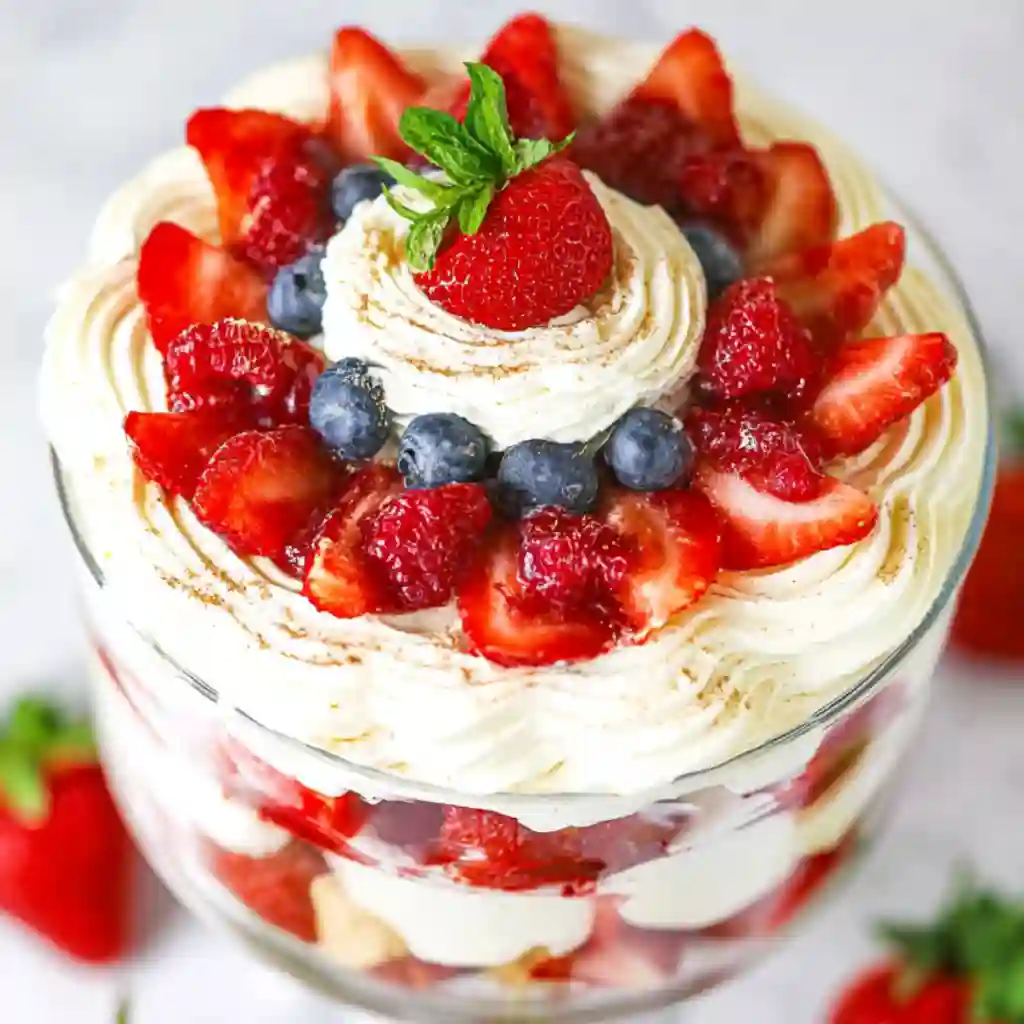
The final crown of any trifle is the whipped cream. I have learned the hard way that plain whipped cream can deflate or weep if the trifle sits for too long. Therefore, for best trifle desserts, especially those made a day ahead, stabilizing the cream is essential.
I prefer to add a small amount of powdered sugar and a teaspoon of skimmed milk powder or a vegetarian setting agent to the cream while whipping. This ensures the topping stays billowy and firm.
This is particularly important for trifle bowl recipes where the presentation is key. You can also flavor the cream; a hint of cinnamon for fall trifle desserts or cocoa powder for trifle bowl chocolate desserts adds an extra dimension.
When you serve trifle desserts, that initial cloud of cream sets the expectation for the luxury beneath. It is not just a garnish; it is a vital textural component that balances the density of the cake and custard.
Classic Fruit-Based Trifle Desserts Recipes
Traditional English Trifle Recipe
To make a version of the classic that respects dietary guidelines, I focus on the fruit and custard. For this trifle dessert recipe, I use a vanilla sponge cake cut into cubes and soak them generously in a reduced raspberry syrup.
I then layer fresh raspberries over the sponge. If you enjoy trifle recipes with custard and jelly, you can pour a layer of raspberry gelatin (using plant-based gelling agents) over the fruit and let it set before adding the custard. The custard layer is thick, vanilla-bean infused, and homemade.
I top this with sweetened whipped cream and scatter toasted flaked almonds on top. This recipe falls squarely into the category of traditional trifle desserts and is often cited in lists of the top 10 most popular trifle recipes. The result is a comforting, nostalgic dish that highlights the purity of the ingredients without the need for alcohol.
Summer Berry Trifle with Lemon Custard
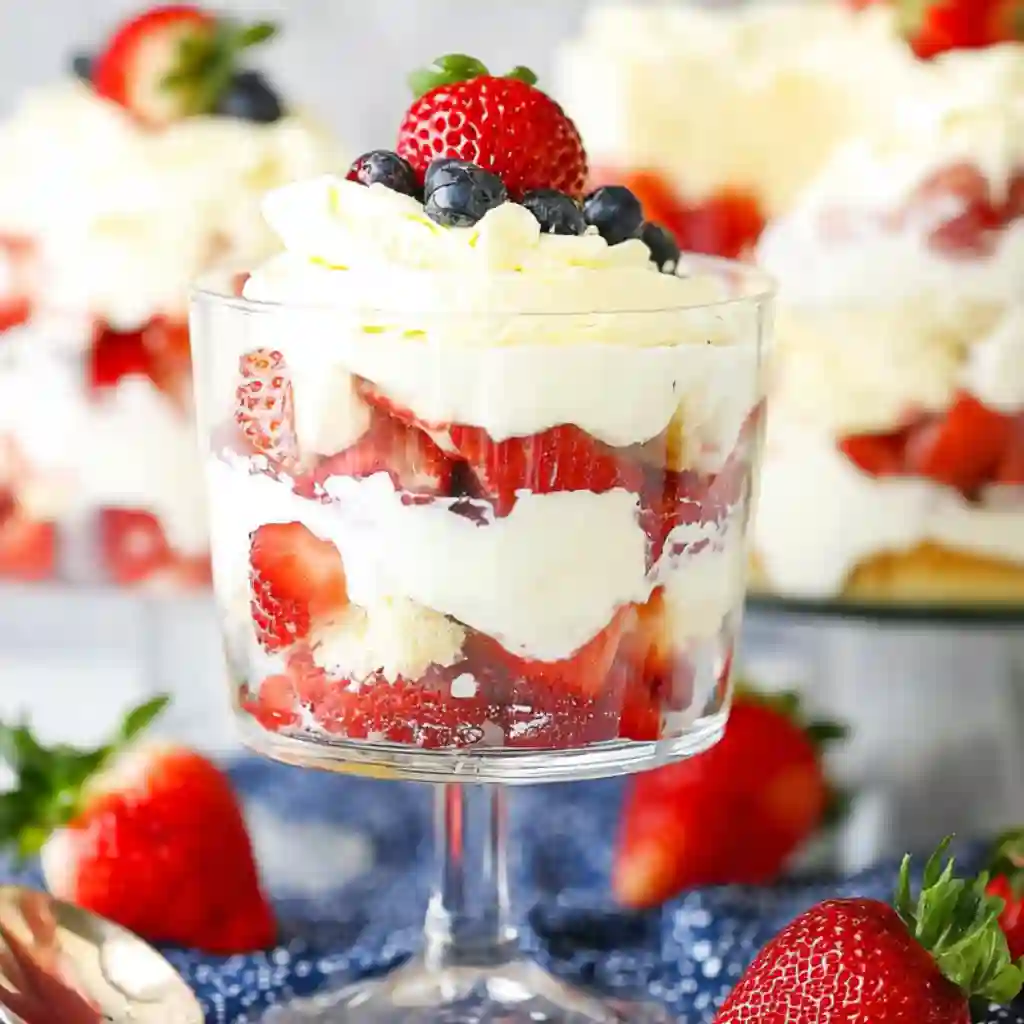
When the weather warms up, summer trifle desserts are my go-to. This variation uses a light angel food cake or pound cake as the base. I create a “limoncello-style” syrup using lemon juice and sugar (non-alcoholic) to drizzle over the cake. The star here is the fruit: a mix of strawberries, blueberries, and blackberries.
To elevate this among fruit trifle recipes, I fold lemon curd into the custard layer, creating a bright, tangy filling that screams summer. This is one of the best trifle desserts for outdoor parties because it is refreshing and not overly heavy. I garnish with fresh mint leaves and lemon zest.
If you are looking for trifle desserts for summer, this combination of berry and citrus is unbeatable. It looks stunning in a glass bowl, with the red and blue berries popping against the yellow custard.
Tropical Fruit Trifle: Mango, Pineapple, and Coconut
For a taste of the exotic, I love preparing fruit trifle recipes that utilize tropical flavors. I start with a coconut-flavored sponge cake or simply sprinkle desiccated coconut over vanilla cake cubes. I soak the cake in pineapple juice. The fruit layer consists of diced mango, pineapple, and kiwi.
For the creamy element, I mix coconut cream into the custard or pudding, making it one of the most delicious pudding desserts you can serve. This falls under the umbrella of types of trifle desserts that depart from tradition but offer incredible flavor. I top it with whipped cream and toasted coconut flakes.
This is a fantastic alternative to lemon trifle desserts if you want something equally bright but with a warmer, island-inspired profile. It is a vibrant, yellow-and-orange masterpiece that stands out among trifle desserts recipes.
Strawberry Shortcake Trifle Variations
The strawberry shortcake trifle is a crowd-pleaser and one of the most popular trifle recipes in America. It simplifies the classic by focusing on three main elements: cake, strawberries, and cream.
I use a dense pound cake or biscuits, layered with macerated strawberries (strawberries soaked in sugar to release their juices). Instead of a traditional egg custard, I often use a vanilla bean pudding or a mixture of cream cheese and whipped cream, similar to a cheesecake filling.
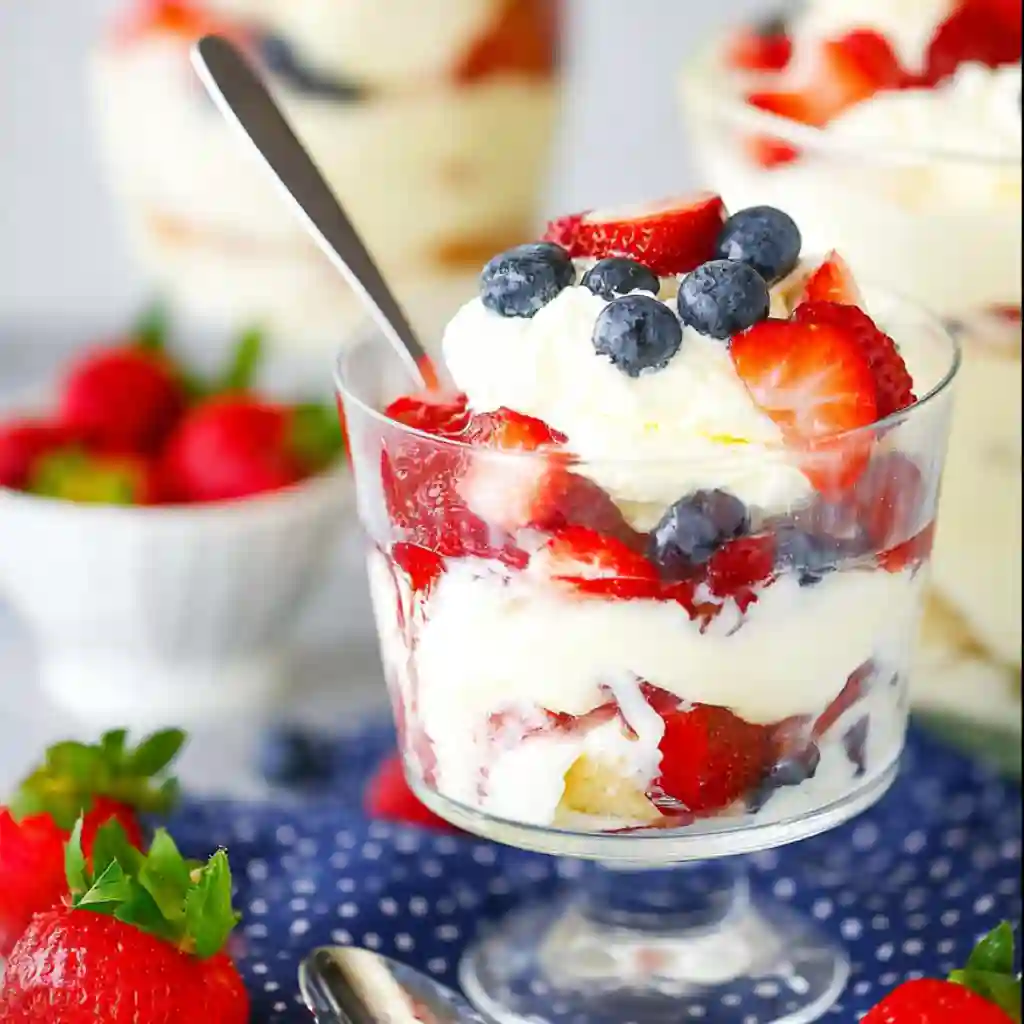
This makes it one of the easy trifle desserts to assemble. It is visually striking with its red and white layers. For those seeking simple trifle desserts, this is the ultimate choice. You can also make this into individual trifle desserts by layering the ingredients in mason jars for a picnic-style presentation.
Decadent Chocolate Trifle Desserts Recipes
Death by Chocolate: Brownie and Mousse Layers
For the ultimate indulgence, nothing beats trifle bowl chocolate desserts. My “Death by Chocolate” version begins with chewy brownie chunks as the base. I drizzle them with a chocolate ganache or syrup.
Instead of traditional custard, I use a rich chocolate mousse or chocolate pudding. This is one of those trifle like desserts that eats more like a confection than a fruit dish. I repeat the layers of brownie, mousse, and whipped cream, sprinkling chocolate chips or crushed chocolate bars between the layers.
When I serve this, it is always the first to disappear. It is a heavy, rich dessert, so small servings go a long way. Among dessert trifle recipes, this one is strictly for the chocolate lovers and makes a spectacular birthday treat.
Black Forest Trifle: Cherries and Dark Chocolate
Inspired by the German cake, this trifle uses chocolate sponge cake soaked in cherry juice or a cherry syrup reduction. I layer this with pitted dark cherries (fresh or jarred) and a smooth vanilla custard or whipped cream.
The contrast between the dark chocolate cake, the red cherries, and the white cream makes it one of the most beautiful trifle desserts. I shave distinct curls of dark chocolate on top.
This recipe is often found when searching for trifle desserts recipes that bridge the gap between fruit and chocolate. It has a sophisticated flavor profile, balancing the tartness of the cherries with the bittersweet chocolate. It is a wonderful option for fall trifle desserts when you want something deeper in flavor than a summer berry trifle.
Oreo Cheesecake Trifle for Cookie Lovers
This is a modern twist that has become a staple in my kitchen, especially for kids’ parties. It combines the concept of a trifle with the flavors of an Oreo cheesecake. I use crushed Oreo cookies as the “soil” or base layer.
The filling is a mixture of cream cheese, sugar, and whipped cream, often with more crushed cookies folded in. This is one of the easy trifle desserts because it requires no baking if you buy the cookies.
It fits perfectly into the category of pudding desserts that are beloved by all ages. I layer the cookie crumbs and the cheesecake mixture, finishing with whole cookies on top. It creates a striking black-and-white visual. If you are looking for simple trifle desserts that pack a punch, this is it.
Chocolate Peanut Butter Trifle Recipe
For a salty-sweet combination, I turn to the chocolate peanut butter trifle recipe. I use chocolate cake cubes and layer them with a peanut butter mousse (made by folding peanut butter into whipped cream or custard).
I often add chopped peanut butter cups between the layers for crunch. This is one of the best trifle desserts for candy lovers. I drizzle chocolate syrup and melted peanut butter over the top. It is rich, dense, and incredibly satisfying.
This recipe demonstrates the versatility of trifle desserts recipes you are not limited to fruit and vanilla. It is a hearty dessert that works well for game days or casual gatherings where comfort food is the priority.
Holiday and Seasonal Trifle Desserts Recipes
Festive Gingerbread and Eggnog Trifle
When the holidays arrive, trifle desserts for christmas become a priority. My favorite involves layers of spicy gingerbread cake. I make a custard flavored with nutmeg and cinnamon, mimicking the taste of eggnog (using non-alcoholic flavoring extracts).
This trifle dessert recipe smells like Christmas in a bowl. I layer the gingerbread, the spiced custard, and perhaps some sautéed pears or cranberries for color. It is a warming, festive dish that stands out on a holiday table.
Among christmas trifle desserts, this one is unique because of the spice profile. It is a robust dessert that pairs perfectly with the end of a holiday feast.
Red, White, and Blue Fourth of July Berry Trifle
For Independence Day, summer trifle desserts take on a patriotic theme. I use angel food cake, strawberries, and blueberries to create a flag-inspired look. I layer the red berries, the white cake and cream, and the blue berries in a clear glass bowl to maximize the effect.
This is one of the trifle recipes easy enough for children to help assemble. It is light, airy, and handles the summer heat well. If you are looking for trifle desserts for summer, specifically for the 4th of July, this is the classic choice. It is fresh and utilizes the best seasonal produce available.
Pumpkin Spice Trifle with Caramel Drizzle
As the leaves turn, fall trifle desserts and trifle desserts for thanksgiving come into play. I use pumpkin bread or spice cake as the base. The filling is a pumpkin-flavored pudding or a maple-infused custard.
I layer this with caramel sauce and perhaps some crushed ginger snaps or pecans for crunch. This is a magnificent alternative to traditional pumpkin pie. The layers of orange pumpkin cream and brown cake look autumnal and inviting.
It is one of the best trifle desserts for November, offering all the beloved flavors of the season in a creamy, spoonable format.
Christmas Peppermint Bark Trifle
Another stellar option for christmas trifle desserts is the Peppermint Bark Trifle. I use chocolate cake layered with white chocolate mousse and crushed peppermint candies. I garnish with peppermint bark shards.
This dish is visually stunning with its red and white accents against the dark chocolate. It is one of the easy christmas trifle desserts that looks like it took hours to make. I often make mini christmas trifle desserts using this recipe, serving them in small shot glasses for a holiday party.
It is refreshing and minty, which is perfect after a heavy meal.
Expert Tips for Assembling Trifle Desserts Recipes
Choosing the Right Vessel: Glass Bowls and Individual Cups
The vessel you choose defines the presentation. A classic pedestal glass bowl is standard for trifle bowl recipes, allowing guests to see the grand scale of the dessert. However, I increasingly love using trifle cups or mason jars for individual trifle desserts.
Serving trifle desserts mini style solves the problem of messy serving spoons and allows for personalized toppings. For holiday gatherings, individual trifle desserts cups are elegant and hygienic.
Whether you choose a large trifle dish desserts presentation or mini trifle desserts, ensure the glass is clear and polished. Christmas individual trifles served in crystal glasses can look incredibly sophisticated.
How to Create Clean and Visible Layers
The hallmark of trifles gourmet desserts is distinct layering. To achieve this, I pipe the custard and cream rather than spooning them, which keeps the edges of the bowl clean.
I also carefully place fruit or cake slices against the glass before filling the center; this is a trick I learned from studying trifles gourmet desserts photos. When making trifle desserts, take your time. Spread the custard to the very edge to create a seal.
Contrast is key place light layers next to dark layers (like cream next to chocolate cake) to make the visual pop. This attention to detail is what garner positive trifles gourmet desserts reviews from your guests.
Managing Moisture: Preventing Soggy Cake Layers
One common pitfall in trifle recipes easy or complex is a soggy bottom. While the cake should be moist, it shouldn’t be disintegrating. I brush the syrup onto the cake rather than drowning it. If using very juicy fruit,
I sometimes add a thin layer of jelly or jam between the cake and fruit to act as a barrier. In trifle desserts recipes where the assembly happens a day in advance, using a denser cake like pound cake helps maintain texture. This balance is crucial for trifle style desserts to remain appetizing after sitting in the fridge.
Storage Tips: How Long Does Trifle Last?
Generally, trifle desserts are best eaten within 24 to 48 hours. After that, the textures begin to muddy. If you have leftovers, cover the bowl tightly with plastic wrap. I find that trifle desserts near me (at local bakeries) often have a shorter shelf life due to fresh cream, so homemade is similar.
If you are making mini christmas trifle or mini chocolate trifle cups ahead of time, add the whipped cream just before serving to keep it fresh. Proper storage ensures your trifle desserts easy efforts don’t go to waste.
Dietary Variations for Trifle Desserts Recipes
Gluten-Free Trifle Options Using Almond Flour Cake
You can easily adapt trifle desserts recipes for gluten-free diets by swapping the sponge for an almond flour or gluten-free flour blend cake. I have made trifle desserts for thanksgiving using gluten-free pumpkin bread that was indistinguishable from the wheat version.
The custard and fruit are naturally gluten-free (check your cornstarch), making this one of the most adaptable dessert trifle recipes.
Vegan Trifle Recipes with Coconut Cream and Plant-Based Custard
For vegan friends, I use coconut whipped cream and a custard made with almond milk and cornstarch.
I use vegan cake or crushed vegan cookies for the base. Vegan trifle variations can be just as rich as dairy ones. When making trifle desserts recipes for a mixed crowd, a vegan fruit trifle often appeals to everyone.
Low-Sugar and Keto-Friendly Trifle Alternatives
To reduce sugar, I use stevia or erythritol in the custard and whipped cream. I use low-carb almond flour cake and low-glycemic fruits like berries.
These trifle like desserts allow those on keto diets to enjoy a layered treat. Even mini christmas trifles can be adapted this way so no one feels left out.
More easy Recipes To Try!
Frequently Asked Questions About Trifle Desserts (FAQS)
What is trifle dessert?
A trifle dessert is a cold, layered pudding consisting of cake (usually sponge), fruit, custard, and whipped cream. It is a staple of British cuisine and a popular dessert worldwide.
Why is it called a trifle?
The term comes from the Old French trufle, meaning a whim or something distinctively small. It originally referred to a simple cream dish before evolving into the layered trifle desserts we know today.
Is trifle English or French?
It is English. While the name has French roots, the dish itself specifically the combination of sponge, custard, and jelly is a hallmark of English culinary history, often featuring in trifle desserts recipes from the Victorian era.
What kinds of trifles are there?
There are endless varieties, from the Traditional English Trifle to Chocolate Brownie Trifle, Fruit Trifle, and seasonal variations like Pumpkin Spice. Trifle desserts can be adapted to almost any flavor profile.
Can you make trifle the day before?
Yes, in fact, it is recommended. Making trifle desserts 8 to 24 hours in advance allows the flavors to meld and the cake to absorb the liquid, resulting in a better texture.
What can be used instead of sherry in a trifle?
For non-alcoholic trifle desserts recipes, you can use fruit juices (like grape, orange, or pineapple), fruit syrups, or even a flavored gelatin liquid to moisten the cake.