
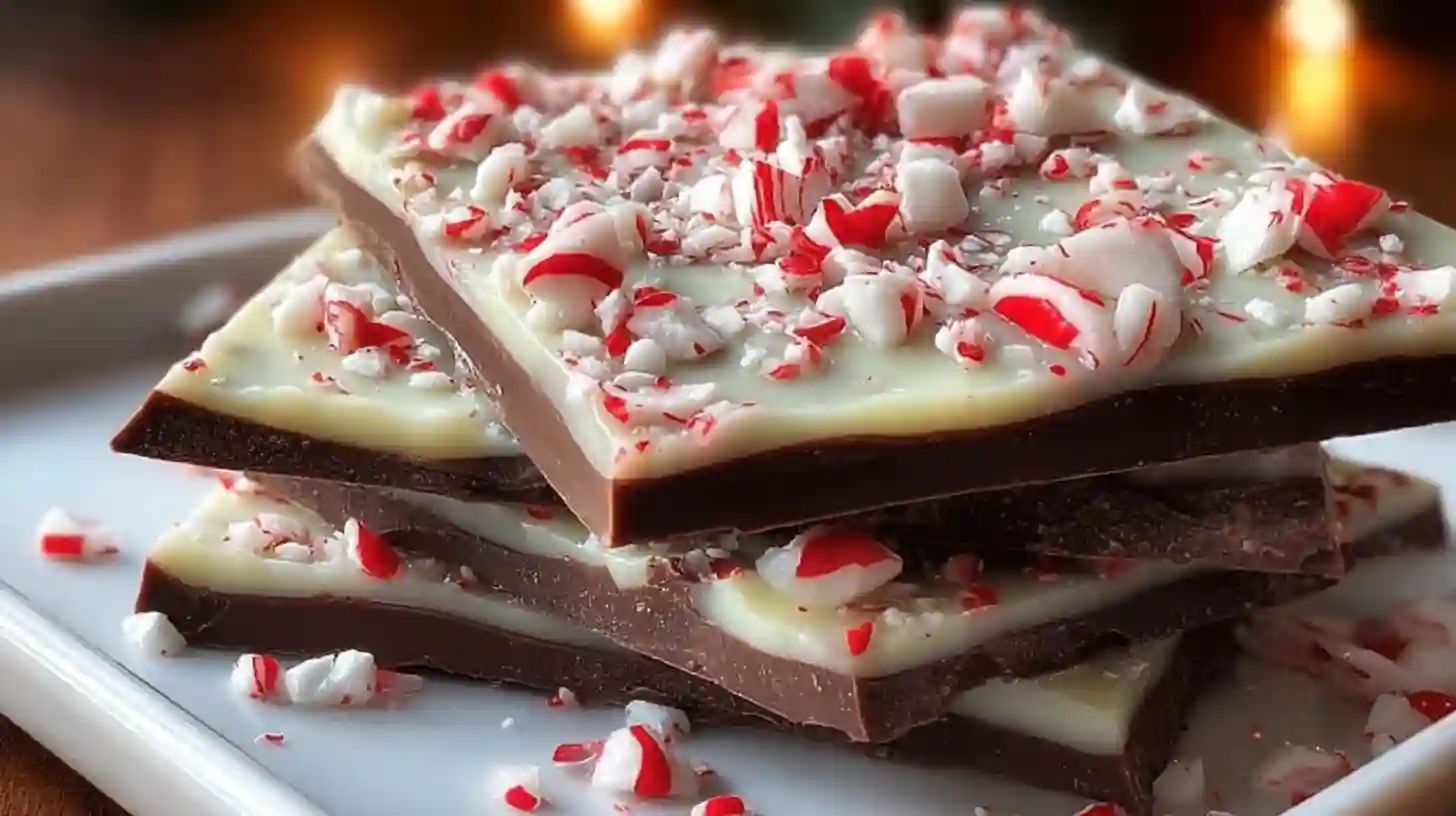
Peppermint Bark serves as the quintessential intersection of texture and flavor, offering a sophisticated yet accessible confection for the holiday season.
This guide delineates the precise chemical and culinary techniques required to master the layering of dark and white chocolate, ensuring a snap and sheen that rivals professional chocolatiers.
Essential for culinary enthusiasts and home bakers alike, this comprehensive analysis provides the definitive blueprint for creating a flawless, gift-worthy treat that epitomizes festive elegance.
Peppermint Bark

Equipment
- Microwave
- Baking Sheet
- Parchment Paper
- Mixing bowl
- Spatula
Ingredients
Peppermint Bark Ingredients
- 12 oz dark or semi-sweet chocolate chips use high-quality chips, melted until smooth
- 12 oz white chocolate chips melted until smooth
- 1/2 tsp peppermint extract divided; 1/4 tsp for each layer
- 6 candy canes crushed
Instructions
- Line a baking sheet with parchment paper to prevent sticking.
- Place the dark or semi-sweet chocolate chips in a microwave-safe bowl. Microwave in 30-second intervals, stirring between each, until fully melted and smooth.
- Stir in 1/4 teaspoon peppermint extract into the melted dark chocolate if desired.
- Pour the melted dark chocolate onto the prepared baking sheet and spread it into an even layer (about 1/8-inch thick).
- Refrigerate the dark chocolate layer for about 10–15 minutes, until it’s just set but still slightly tacky.
- Melt the white chocolate chips in a separate microwave-safe bowl in 20–30 second intervals, stirring after each until smooth.
- Stir the remaining 1/4 teaspoon peppermint extract into the melted white chocolate.
- Pour the melted white chocolate over the chilled dark chocolate layer and spread it evenly to cover.
- Immediately sprinkle the crushed candy canes evenly over the white chocolate layer and press lightly so they adhere.
- Chill the baking sheet in the refrigerator for 30–60 minutes until completely firm.
- Once set, remove from the fridge and break the bark into pieces. Serve or package as desired.
Notes
Table of Contents
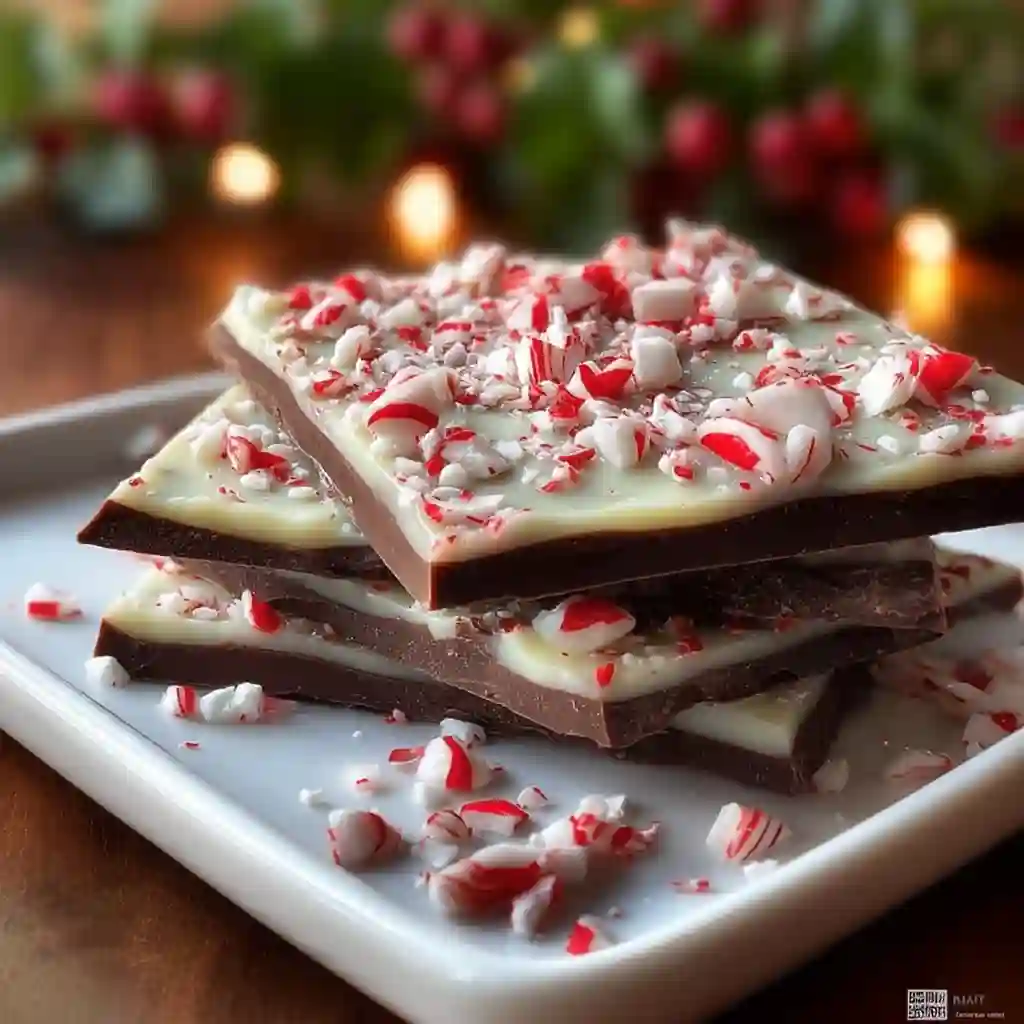
The memory is as crisp as the winter air in Lyon: my neighbor, Madame Dubois, a stern but affectionate French woman, handing me a small, cellophane-wrapped parcel.
“It is not just chocolate,” she would insist, her eyes narrowing with culinary seriousness. “It is a study in contrast.”
That first bite of Peppermint Bark though she called it something far more elaborate changed my understanding of confectionery. It wasn’t merely sweet; it was a complex interplay of bitter cocoa and cooling mint.
What is Peppermint Bark?
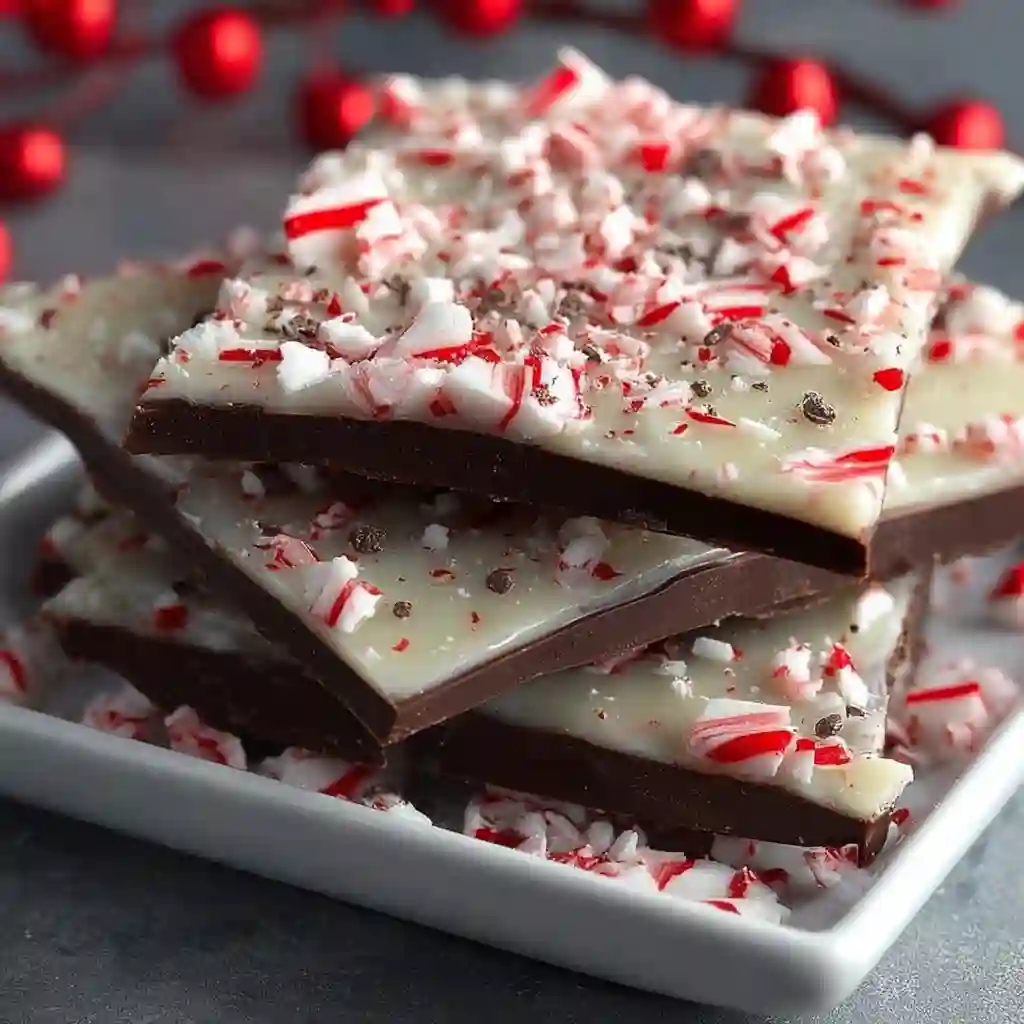
At its core, Peppermint Bark is a laminated confection consisting of two distinct strata: a base of rich dark or semi-sweet chocolate and a top layer of creamy white chocolate.
It is finished with a scattering of crushed candy canes. While it appears simple, the structural integrity of the bark relies on proper tempering and thermal management.
In the United States, it has ascended to the status of a holiday icon, often appearing alongside Christmas crack and Christmas fudge recipes on dessert tables.
Its popularity has surged globally, transcending borders to become a beloved winter staple suitable for any festive gathering.
Why Make It at Home?
While one might be tempted to purchase williams sonoma peppermint bark or ghirardelli peppermint bark from high-end retailers, the homemade variant offers superior control.
Crafting Homemade Peppermint Bark allows the culinarian to select fair-trade cacao and avoid the stabilizers often found in mass-produced peppermint bark ghirardelli options.
Furthermore, it is remarkably cost-effective. A tin of costco peppermint bark or trader joe’s peppermint bark can be pricey.
Making it in your own kitchen evokes a profound sense of nostalgia, making it a perfect addition to Christmas baking recipes.
The History and Origins of Peppermint Bark
From French Mendiants to American Classics
The lineage of this treat is fascinatingly obscure. Historically, it shares DNA with French mendiants, chocolate disks studded with nuts and dried fruits representing the four monastic orders.
Over time, the concept of “bark” chocolate spread thin to resemble the rugged texture of a tree evolved.
Early iterations of candy bark recipes were rustic, often utilizing leftover chocolate from other holiday bark recipes.
The specific combination of mint and layered chocolate, however, is a relatively modern innovation.
The Williams Sonoma Connection
The commercial explosion of this treat can be traced to 1998. It is widely documented that peppermint bark williams sonoma played a pivotal role in standardizing the recipe we know today.
Their product created a distinct “season” for the candy, much like the pumpkin spice phenomenon. But is peppermint bark an American thing?
Predominantly, yes. While chocolate-mint pairings exist in Europe (think dove peppermint bark or similar filled chocolates), the slab-style bark is a hallmark of American Christmas candy recipes.
Today, search terms like peppermint bark blooket indicate its cultural integration into educational games, proving its ubiquity.
Even fitness brands have jumped on the trend, with products like peppermint bark barebells protein bars emerging in the market.
Essential Ingredients for High-Quality Bark
Choosing the Right Chocolate
The foundation of exceptional bark lies in the chocolate selection. For the base, I recommend a high-quality peppermint bark dark chocolate with a cocoa content between 60% and 70%.
This provides a necessary bitterness to cut through the sweetness of the white layer. When selecting ingredients for peppermint bark chocolate, avoid standard chips if possible.
They often contain lecithin which inhibits proper melting. The white chocolate layer is where many candy recipes homemade fail.
You must use real white chocolate containing cocoa butter, not palm kernel oil. Imitation “coating” chocolate will feel waxy on the palate.
If you are aiming for a ghirardelli peppermint bark copycat, the quality of the white chocolate is non-negotiable.
Peppermint Flavoring
Flavoring requires precision. I prefer using a high-grade peppermint oil over extract, as it introduces less liquid into the chocolate, reducing the risk of seizing.
However, standard recipes for how to make peppermint bark often call for extract, which works if added carefully.
For the topping, traditional candy cane bark aesthetics are achieved with crushed canes, but round starlight mints offer a similar crunch.
What is peppermint bark made of?
To summarize, a classic old fashioned peppermint bark recipe is composed of four primary elements to ensure perfection.
- Semi-sweet or dark chocolate (couverture preferred).
- White chocolate (real cocoa butter based).
- Peppermint extract or oil.
- Crushed hard peppermint candy.
For those looking for unique twists, some bakers incorporate flavors reminiscent of peppermint bark rumchata (using non-alcoholic spiced horchata syrups).
This adds warmth without violating dietary restrictions. Similarly, crushed peppermint bark cookies can be added for texture.
Essential Equipment and Preparation
Melting Tools
To execute easy Christmas candy recipes like this without error, one must manage heat. The double boiler method is the gold standard.
By placing a heat-proof bowl over simmering water, you ensure the chocolate melts gently without scorching the delicate cocoa butter.
If you must use a microwave for your peppermint bark recipe, heat in short bursts of 20 seconds, stirring aggressively between intervals.
Setting the Stage
Preparation is key for no bake Christmas treats. Line your baking sheet with parchment paper or a silicone mat.
Aluminum foil can tear and stick to the warm chocolate, ruining the final presentation of the bark.
An offset spatula is crucial for spreading the layers into thin, even sheets, ensuring your white chocolate peppermint bark looks professional.
The finish should be as smooth as haagen dazs peppermint bark ice cream inclusions.
Step-by-Step Guide to Making Peppermint Bark
Preparing the Candy Canes
First, we must prepare the garnish. Place your candy canes in a heavy-duty zip-top bag to contain the pieces.
Using a rolling pin, strike them firmly. You want shards, not a fine powder, which can make the peppermint bark look dusty.
This step is essential for Christmas desserts easy to prepare yet professional in appearance, giving it that jeweled look.
Tempering Chocolate (The Secret to Snap)
Tempering aligns the cocoa butter crystals, giving the finished chocolate peppermint bark a glossy sheen and a sharp snap.
While full tempering requires a thermometer, a “seeding” method works well for home cooks to achieve stability.
Melt two-thirds of your chocolate, then stir in the remaining third (unmelted) off the heat until smooth.
This is a vital technique whether you are making barebells peppermint bark inspired treats or traditional candy.
Layering Techniques
Layer 1: Pour your tempered peppermint bark dark chocolate onto the prepared parchment paper on your baking sheet.
Spread it to a thickness of approximately 1/4 inch using your offset spatula for an even surface.
The Crucial Chill Time: This is the variable that ruins many peppermint bark recipes. Refrigerate the dark layer for only 10 to 15 minutes.
It should be set but slightly tacky to the touch. If it is too cold, the layers will delaminate and fall apart.
Layer 2: While the base chills, melt your white chocolate. Stir in your peppermint flavoring gently.
If you are experimenting with peppermint bark brownies as a base, the technique differs, but for traditional bark, pour the white chocolate directly over the dark.
How to make peppermint bark in the UK?
For my readers across the pond, sourcing ingredients for peppermint bark homemade can be slightly different.
“Candy canes” are seasonal, so look for “rock sweets” or peppermint oil in the baking aisle.
The method remains the same, ensuring your holiday treats rival any American export.
Immediately after spreading the white layer, sprinkle your crushed candy liberally. Press it down gently to secure the pieces.
This method is far superior to any 4-ingredient peppermint bark hack you might find on social media.
Troubleshooting Common Mishaps
Why Did My Layers Separate?
The most frequent complaint with peppermint bark recipe attempts is layer separation. This occurs due to thermal shock.
If you pour hot white chocolate over ice-cold dark chocolate, the cocoa butter contracts at different rates.
To avoid this, ensure your dark layer is cool but not frozen. This attention to detail distinguishes a novice peppermint bark cookie maker.
Avoiding Seized Chocolate
Water is the enemy of chocolate. Even a single drop can turn your smooth melt into a gritty paste.
Ensure all tools are bone dry. Furthermore, adding liquid extract too quickly can cause seizing.
If you are making a peppermint bark ghirardelli style treat, use oil-based flavorings to maintain texture.
If you only have extract, warm it slightly before adding. This tip is also useful when making Christmas crack or other items.
Why is my White Chocolate Yellow or Grainy?
White chocolate burns at a much lower temperature (around 110°F/43°C). If your white chocolate peppermint bark looks yellow, it is burnt.
Unfortunately, there is no fix for burnt white chocolate; it must be discarded and you must start over.
Patience is vital for all Christmas candy recipes to ensure a creamy, smooth finish.
Creative Variations and Twists
Flavor Infusions and Toppings
Once you have mastered the old fashioned peppermint bark recipe, innovation awaits. You can try distinct flavor twists.
- Oreo Peppermint Bark: Mix crushed chocolate sandwich cookies into the white layer. This adds a texture similar to peppermint bark cookies.
- Pretzel Bark: For a sweet and salty profile, add a base layer of pretzels. This is often called “Pretzel candy bark recipes.”
- Spiced Bark: A hint of cinnamon or nutmeg can evoke the warmth of peppermint bark rumchata (using non-alcoholic syrups).
Visual Presentations
Instead of distinct layers, try swirling. Pour both chocolates onto the sheet and use a toothpick to marble them.
This technique is visually striking and often seen in dove peppermint bark commercial products.
You can also use cookie cutters to set the bark into stars or hearts, perfect for holiday bark recipes intended for gifting.
Storage, Serving, and Gifting
Proper Storage Techniques
Humidity causes sugar bloom, leading to a sticky surface. Store your peppermint bark in an airtight container.
Keep it at cool room temperature. Avoid the refrigerator unless your climate is tropical, as condensation will ruin the gloss.
Properly stored, it lasts 2-3 weeks, outlasting many Christmas fudge recipes in your holiday spread.
Gifting Ideas
Homemade Peppermint Bark makes an exceptional gift. Package shards in clear cellophane bags tied with red ribbon.
Place these in a decorative tin alongside peppermint bark brownies or peppermint bark ice cream toppings.
It is a gesture that feels far more personal than a box of costco peppermint bark.
More easy Recipes To Try!
Authentic New Orleans Shrimp Corn Bisque
Chocolate Covered Strawberry Brownies
FAQs
Why is peppermint bark so good?
The appeal lies in the contrast. The snap of the chocolate, the crunch of the candy, and the temperature difference.
The interplay between the bitter dark chocolate and sweet white chocolate create a sensory experience that defines holiday treats.
Can I use chocolate chips?
Yes, you can use chocolate chips for easy Christmas candy recipes like this, but I recommend adding a fat.
Add a teaspoon of refined coconut oil to help them melt smoothly. This is a common trick in 4-ingredient peppermint bark tutorials.
Can I freeze peppermint bark?
You can freeze it, but be wary of condensation upon thawing. Wrap it tightly to prevent moisture damage.
This makes it a convenient make-ahead option among no bake Christmas treats for busy hosts.
How do I cut it without shattering?
Let the bark sit at room temperature for 10 minutes. Use a sharp, warm knife to score it.
This yields cleaner lines than simply breaking it, which is useful if you are presenting it like williams sonoma peppermint bark.
What about other variations?
You can experiment with adding protein crisps for a barebells peppermint bark style snack for fitness lovers.
Or, crumble it over haagen dazs peppermint bark ice cream for a decadent dessert finish.
Conclusion
A Tradition Worth Keeping
In conclusion, mastering Peppermint Bark is a rite of passage for the home baker. It captures the essence of the season.
Whether you are replicating trader joe’s peppermint bark or creating a new family tradition with peppermint bark blooket games.
The effort is always rewarded. I encourage you to try this recipe, perhaps sharing it with a neighbor as Madame Dubois did.
It is these small, sweet moments that truly define our Christmas baking recipes and memories.