

Discover why the Ground Beef Casserole remains the ultimate culinary staple for busy households, offering a perfect blend of nutrition, affordability, and comfort.
This comprehensive guide explores the structural integrity of the perfect bake, nutritional optimizations for modern diets, and precise techniques to ensure tender potatoes and savory beef every time. Ideal for meal prepping or feeding a crowd, this resource elevates a simple pantry meal into a gastronomic experience.
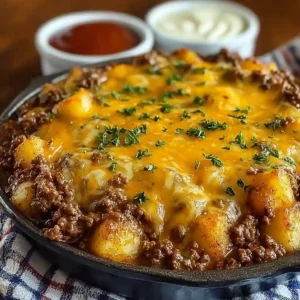
Ground Beef Potato Casserole

Equipment
- Skillet
- Mixing bowl
- 9×13 Casserole Dish
- Aluminum foil
Ingredients
- 1 1/2 to 2 lb ground beef raw
- 10.5 oz cream of mushroom soup room temperature
- 10.5 oz cream of cheddar cheese soup room temperature
- 3 cups frozen cubed potatoes do not thaw
- 1 cup shredded cheddar cheese divided, half for topping
- salt and pepper to taste
Instructions
- Preheat oven to 350°F (175°C).
- In a skillet, cook the ground beef over medium heat until browned, breaking it up as it cooks, about 7–10 minutes.
- Drain excess grease and transfer cooked beef to a large mixing bowl.
- Add cream of mushroom soup and cream of cheddar cheese soup. Stir until evenly combined.
- Add frozen cubed potatoes and 1/2 cup shredded cheddar cheese. Season with salt and pepper, then mix well.
- Pour mixture into a greased 9×13 casserole dish, spreading evenly.
- Sprinkle remaining 1/2 cup cheddar cheese on top.
- Cover with foil and bake for 30 minutes.
- Remove foil and bake uncovered for another 30 minutes until bubbly and golden.
- Let cool for 5–10 minutes before serving.
Notes
I vividly recall the culinary philosophy of my neighbor, Madame Lefebvre, a stern but affectionate woman who lived next door during my childhood. While she was a purist regarding French cuisine, she held a surprising respect for the utility of American casseroles. She often told me, “To cook simple ingredients with precision is the mark of a true chef.”
One winter evening, she presented a bubbling dish of Ground Beef Casserole, explaining that even the humblest mixture of meat and tubers could be elevated through patience and proper layering. That lesson stuck with me. Today, I approach the preparation of ground beef casseroles not just as a quick fix for hunger, but as an exercise in balancing texture and flavor, ensuring that a “simple” dish is executed with professional care.
Table of Contents
The Undisputed Champion of Comfort Food
Casseroles have long established themselves as the bedrock of American home cooking, primarily due to their unparalleled capacity to provide warmth and sustenance with minimal fuss. In the realm of ground beef casserole recipes, few dishes compete with the sheer satisfaction of combining savory, seasoned beef with the earthy, starch-rich comfort of potatoes.
It is a culinary synthesis that speaks to our primal need for hearty, caloric density during the colder months, yet it remains light enough to serve year-round. The ground beef potato casserole is frequently hailed as a “weeknight hero” because it solves the logistical problem of feeding a large family or preparing meals in advance without sacrificing quality.
Whether you are organizing a Sunday dinner, bringing a dish to a community potluck, or engaging in strategic meal prepping for a busy work week, this dish adapts to the occasion. The beauty lies in its architectural simplicity: a foundation of carbohydrates, a robust protein center, and a lipid-rich topping that binds the elements together.
When browsing ground beef casserole ideas, one quickly realizes that this specific combination is ubiquitous for a reason it works. It satisfies the palate of the picky eater while offering enough nutritional substance to stand as a complete meal.
Why You’ll Love This Budget-Friendly Meal
In an economic climate where grocery costs are a genuine concern, the ground beef potato casserole shines as a beacon of fiscal responsibility. The primary components ground beef, potatoes, and shelf-stable binding agents are often the most affordable items in the supermarket.
Furthermore, ground beef casserole recipes easy on the wallet do not require exotic spices or hard-to-find imports. You likely possess the majority of the necessary ingredients in your pantry right now, which underscores the “one-dish” appeal that defines this genre of cooking.
Beyond the financial benefits, the reduction in cleanup time cannot be overstated. By utilizing a single baking vessel, we minimize the post-dinner labor, allowing for more quality time with family. While I will detail complex variations later in this text, it is important to note that the core recipe is remarkably forgiving.
Even if you are a novice in the kitchen, ground beef casseroles easy execution ensures a high success rate. It is a foolproof method to deliver a hot, nutritious meal that feels far more luxurious than its price tag suggests.
A Dish with Many Names
This culinary staple suffers from something of an identity crisis, known by various monikers depending on one’s geographical location. You may hear it referred to as “Hamburger Potato Casserole,” “Poor Man’s Husband Casserole,” or simply a “Meat and Potato Bake.
” Regardless of the title, the objective remains consistent: to create a cohesive, flavorful union of meat and starch. As we delve deeper into this guide, I will ensure we cover the full spectrum of this dish’s potential.
From the traditional methods utilizing cream of mushroom soup to the more distinct “John Wayne” variations, we will explore every facet. It is fascinating to see how ground beef casserole recipes for dinner have evolved over the decades, adapting to dietary trends and regional tastes.
By the end of this article, you will be equipped with the knowledge to master not just the classic version, but also modern adaptations that suit your specific dietary needs.
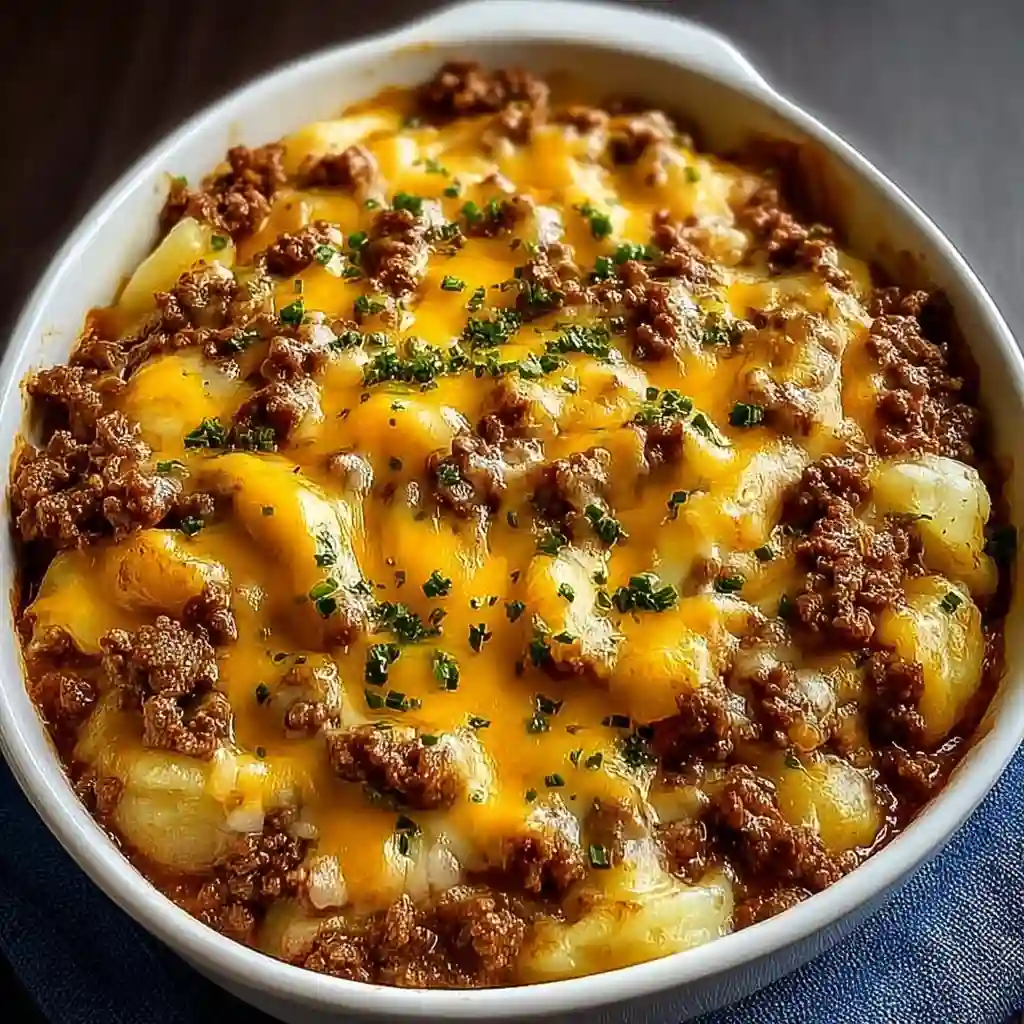
Essential Ingredients for Ground Beef Potato Casserole
Choosing the Best Potatoes for Baking
The choice of potato is the single most critical variable in the success of a potato and ground beef casserole. In my professional opinion, Russet potatoes are the superior choice for this specific application.
Their high starch content and low moisture allow them to become fluffy and absorb the savory liquids from the beef and sauce. When baked, the Russet breaks down just enough to thicken the surrounding fluids without turning into a mash, maintaining a distinct yet tender texture.
However, if you prefer a potato that holds its architectural shape rigidly, Yukon Golds are a viable alternative. They possess a natural buttery flavor and a waxy texture that resists disintegration, even during long bake times.
For those prioritizing speed, simple ground beef casserole recipes often utilize frozen hash browns or cubed potatoes. Using frozen potatoes cuts prep time significantly, as they are pre-washed, peeled, and blanched. I have found that while fresh is best for texture, the frozen variety is an acceptable compromise for the busy professional.
Selecting the Right Ground Beef
When selecting your protein, the fat-to-lean ratio is paramount. I strongly recommend using 85/15 or 90/10 lean ground beef. While fat equals flavor, an excess of lipid rendering can result in a greasy, unappetizing pool at the bottom of your dish.
Ground beef recipes often fail when the cook neglects to account for the grease factor. If you must use a higher fat content beef, it is imperative to drain the meat thoroughly after browning.
Proper preparation involves browning the beef until a deep Maillard reaction occurs, adding depth to the flavor profile.
As I cook, I always ensure to drain the rendered fat carefully to prevent a heavy, oily mouthfeel in the final product. This step is crucial for ground beef casserole recipes healthy enough for regular consumption. A non-greasy base allows the creaminess of the sauce to shine without competition from heavy beef tallow.
The Creamy Binder: Soups and Sauces
The “glue” that holds a ground beef potato casserole together is usually a condensed soup or a white sauce. The classic route involves a can of Cream of Mushroom, Cream of Chicken, or Cheddar Cheese soup.
These condensed products are engineered to stabilize under heat, preventing the sauce from breaking or curdling. They provide a velvety consistency that coats the potatoes evenly.
For those who prefer to avoid processed ingredients, a homemade Béchamel is a sophisticated alternative.
By creating a roux with butter and flour, then whisking in milk, you create a pristine white sauce that can be seasoned to your exact specifications. Additionally, incorporating sour cream or a splash of milk can create a rich, tangy environment that tenderizes the potatoes. Ground beef casseroles benefit immensely from this dairy enrichment, which balances the savory intensity of the meat.
The Cheesy Topping and Seasonings
No ground beef casserole with potatoes and cheese is complete without a substantial layer of melted dairy on top.
Sharp Cheddar is the undisputed king in this arena, offering a pungency that cuts through the richness of the cream sauce. However, Colby Jack or Mozzarella can be used for a milder, stretchier finish. I often recommend a Mexican blend if you are aiming for a specific regional flavor profile.
Regarding seasonings, one must move beyond simple salt and pepper. Garlic powder, onion powder, and a dash of smoked paprika elevate the beef flavor significantly.
I also find that a teaspoon of Worcestershire sauce added to the beef mixture provides an umami backbone that is often missing in simple ground beef casserole recipes with few ingredients. Proper seasoning at every stage meat, potatoes, and sauce is the difference between a bland cafeteria meal and a gourmet dinner.
Step-by-Step Instructions for the Perfect Bake
Prep Work: Slicing and Browning
The preparation phase is where the texture of your casserole is determined. For the potatoes, uniformity is key. I utilize a mandoline slicer to achieve slices between 1/8 and 1/4 inch thick. If the slices are too thick, you risk undercooked, crunchy potatoes; too thin, and they may disintegrate. This precision is what separates high-quality ground beef casserole ideas from amateur attempts.
Simultaneously, the browning of the meat requires attention. I sauté the beef with diced onions and minced garlic until the meat is fully cooked and no pink remains. It is vital to season this layer independently. If you rely solely on the soup for sodium, the beef will taste flat. Ground beef casserole recipes for dinner rely on building layers of flavor, starting right here in the skillet.
Layering vs. Mixing: Two Schools of Thought
There are two distinct methodologies for assembly: layering and mixing. The layered approach mirrors the construction of lasagna or scalloped potatoes. You place a layer of potatoes, followed by a layer of meat, and then the sauce and cheese, repeating until the dish is full.
This method is visually appealing when scooped and allows for distinct textural experiences. It is often seen in southern living ground beef casserole variations where presentation is prioritized.
Conversely, the mixing approach often called the “dump and bake” method involves combining the beef, sauce, and potatoes in a large bowl before transferring them to the baking dish. I find this method ensures that every bite contains a harmonious distribution of ingredients.
For simple ground beef casserole recipes, mixing is generally the preferred, time-efficient route. It ensures the sauce coats every surface of the potato, facilitating even cooking.
The Sauce Application
If you are layering, the application of the sauce must be strategic. You generally mix the condensed soup with a specified amount of milk or sour cream to achieve a pourable consistency. It should not be watery, but rather viscous enough to cling to the spoon. When pouring, ensure coverage is even, reaching the corners of the pan.
In ground beef casserole recipes without pasta, the moisture from the sauce is what actually cooks the raw potatoes. Therefore, dry spots must be avoided. If I am making a ground_beef_casserole_recipes file for my personal digital cookbook, I always annotate that the sauce volume may need adjustment depending on the starchiness of the potatoes used.
Baking Time and Temperature
The thermal processing of this dish is a test of patience. The standard temperature range is 350°F to 375°F (175°C – 190°C). However, the technique of covering the dish is non-negotiable. You must bake the casserole tightly covered with aluminum foil for the first 45 to 60 minutes. This traps steam, which is essential for tenderizing the potatoes.
Without this steam phase, you will likely end up with the dreaded “crunchy potato” phenomenon. After the initial steam, remove the foil for the final 15 to 20 minutes. This allows the excess moisture to evaporate and the cheese to brown. Achieving that golden, bubbling crust is the hallmark of excellent ground beef casseroles for dinner.
Resting the Casserole
Perhaps the most overlooked step is the resting period. Once removed from the oven, the casserole must sit undisturbed for 10 to 15 minutes. During this time, the internal temperature stabilizes, and the sauce thickens as it cools slightly. Cutting into it immediately will result in a messy, soup-like service.
I always advise home cooks that this resting phase is crucial for structural integrity. It allows for clean slices that hold their shape on the plate. Whether you are making ground beef casserole with rice or potatoes, the starch needs this moment to re-gelatinize and bind the liquids.
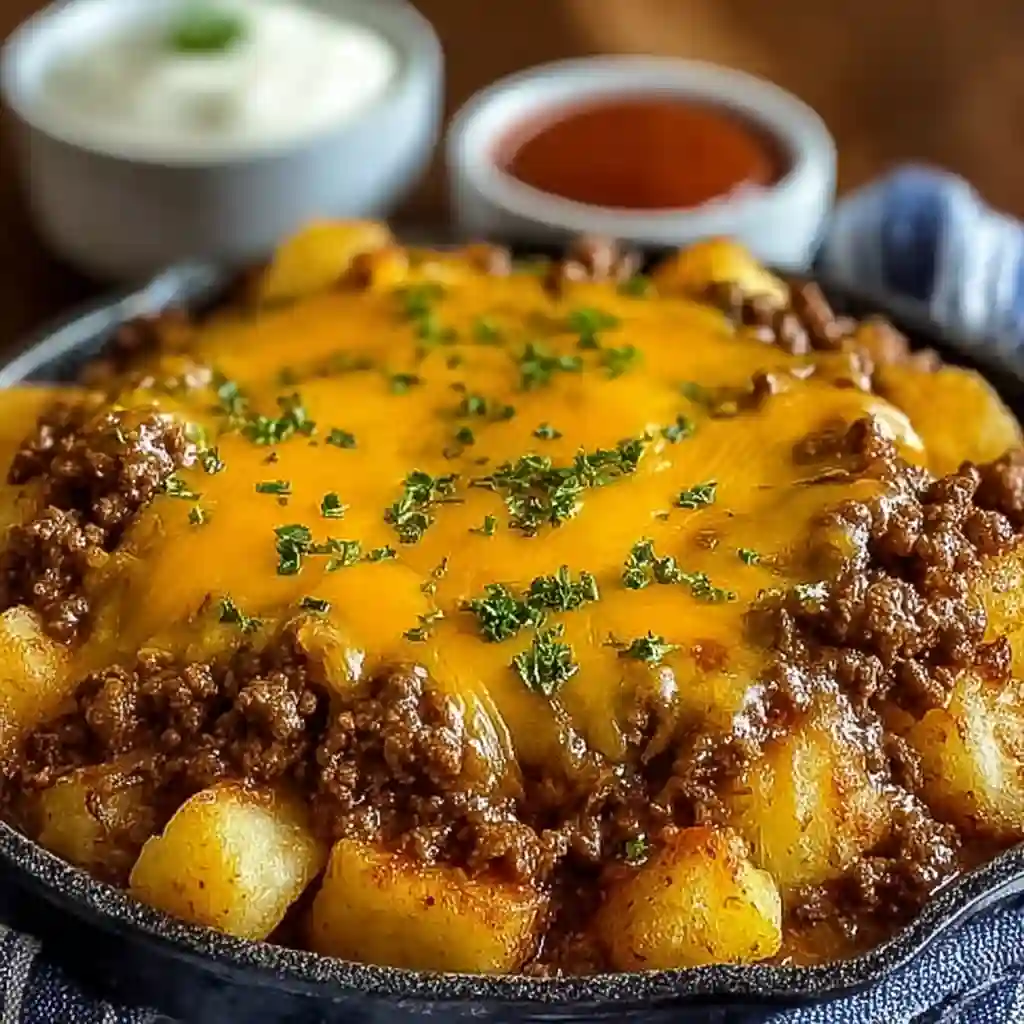
Delicious Variations and Twists
The “John Wayne” Casserole
One of the most storied variations is the “John Wayne” Casserole. This dish typically features a biscuit crust bottom, topped with taco-seasoned beef, tomatoes, onions, and bell peppers, finished with a creamy mixture of cheese, mayonnaise, and sour cream. It is a hearty, distinct “Tex-Mex” twist on the standard potato bake that offers a different textural experience due to the biscuit base.
Historically, this recipe has evolved, but it remains a favorite for those seeking bold flavors. The ground beef casserole with biscuits element transforms the dish into something resembling a deep-dish pie. It is a fantastic deviation from the norm if you are looking to surprise your dinner guests with a legendary recipe.
Sloppy Joe Potato Casserole
For a sweeter, tangier profile, one can adapt the ground beef potato casserole into a Sloppy Joe variation. This involves swapping the cream-based sauce for a tomato-based sauce enriched with ketchup, brown sugar, and mustard. I find this appeals particularly to younger palates.
Ideally, this version is topped with mashed potatoes in a Shepherd’s Pie style, or even crispy tater tots. It captures the essence of the classic sandwich but in a fork-and-knife format. When looking for cheeseburger casserole alternatives, this sweet and savory mix is a strong contender.
Cheesy Ranch and Bacon Twist
A modern and highly popular twist involves incorporating dry ranch seasoning into the creamy sauce base. The herbaceous notes of dill and parsley in the ranch powder complement the potatoes beautifully. To elevate this further, I add crispy beef bacon bits (or turkey bacon) and chopped green onions to the topping.
This creates a “Loaded Baked Potato” flavor profile that is incredibly satisfying. It essentially deconstructs the popular side dish and turns it into a main course. For those searching for ground beef casserole recipes noodles alternatives, this potato-heavy version is often more satisfying and gluten-free friendly if the ranch mix is verified safe.
Veggie-Loaded Healthy Version
To increase the micronutrient density of the meal, it is effortless to hide vegetables within the beef mixture. I frequently stir in frozen peas, corn, diced carrots, or bell peppers. These additions bulk up the meal without significantly altering the flavor profile, making it a “stealth health” option.
For a lighter option, one might substitute turkey or chicken mince, but if sticking to beef, simply adding volume with veggies lowers the overall caloric density per serving. This approach aligns well with ground beef casserole recipes healthy guidelines, providing fiber and vitamins alongside the protein and starch.
The “No-Soup” Tomato Version
Finally, for those who strictly avoid condensed soups, a tomato-based variation is excellent. By using tomato sauce and Italian herbs, the dish resembles a deconstructed pasta bake, but with potatoes as the carbohydrate.
This potato and ground beef casserole variation is robust and acidic, cutting through the heaviness often associated with cream sauces.
This version is also naturally easier to adapt for gluten-free diets, as tomato sauce rarely contains the wheat thickeners found in condensed soups. It brings a Mediterranean flair to the table and pairs wonderfully with a side of steamed green beans.
Tips for Success and Troubleshooting
Preventing Hard or Crunchy Potatoes
The most frequent complaint I hear regarding this dish is undercooked potatoes. The solution lies in preparation and patience. You must slice the potatoes thinly and consistently. If you are unsure of your oven’s calibration, or if you are using thick slices, par-boiling the potatoes for 5 to 7 minutes before assembly is a foolproof insurance policy.
This pre-cooking step jumpstarts the softening process, ensuring that the oven time is sufficient to finish them. When reviewing top 10 ground beef casserole recipes, you will notice the best ones emphasize covering the dish tightly to steam the potatoes. Do not skip the foil; it is essential for trapping the moisture needed to break down the tough potato fibers.
Avoiding a Watery Casserole
Conversely, a casserole that is swimming in liquid is equally unappealing. This is usually caused by high-water content potatoes or, more commonly, undrained beef fat. As mentioned earlier, draining your beef is non-negotiable. Additionally, ensure you are using high-starch potatoes like Russets, which absorb moisture, rather than waxy potatoes which repel it.
If you find your casserole is liquidy upon removal from the oven, do not panic. The resting period is your ally here. As the temperature drops, the starches will retrogress and absorb much of that free liquid. This is a common issue in old fashioned ground beef casserole recipes, but it is easily managed with proper technique.
Enhancing Flavor Depth
Blandness is the enemy of the casserole. Potatoes are notorious flavor sponges and require significant salinity to taste seasoned. Do not be afraid to salt the potato layer directly. Furthermore, I suggest sautéing the aromatics onions and garlic with the beef rather than adding them raw to the mix.
If the mixture appears too dry during assembly, adding a splash of beef broth or heavy cream can provide necessary moisture and depth. Ground beef casseroles easy to make often skip these small steps, but taking the time to layer seasoning results in a superior dish.
Cheese Matters
Finally, the quality of cheese affects the texture of the melt. Pre-shredded bagged cheese is coated in cellulose (wood pulp) to prevent clumping. This agent inhibits proper melting, often leading to a gritty or oily topping. For the best ground beef casserole, buy a block of cheese and shred it yourself.
The difference in melt quality and flavor is palatable. Whether you are making a ground beef casserole mexican style or a classic cheddar bake, freshly grated cheese creates that cohesive, stringy, golden crust that is the hallmark of a perfect casserole.
Storage, Freezing, and Reheating
Refrigerating Leftovers
Leftovers are often the best part of this dish. Store the casserole in an airtight container in the refrigerator for 3 to 4 days. In my experience, the flavors actually improve on the second day as the seasonings have had time to meld completely with the potatoes and meat. It is a prime candidate for make-ahead meals.
Freezer Instructions
This dish is incredibly freezer-friendly. For an unbaked version, assemble the casserole in a freezer-safe dish, cover it tightly with plastic wrap and then aluminum foil, and freeze for up to 3 months. When ready to eat, thaw it in the fridge overnight before baking as directed. This is perfect for those stocking up on simple ground beef casserole recipes with few ingredients for busy months.
For baked leftovers, I recommend cutting the casserole into individual portions and freezing them separately. This allows for quick, microwaveable lunches. Ground beef casserole gluten free options freeze just as well, provided the ingredients used are stable.
Reheating Without Drying Out
To reheat the entire casserole, the oven is the superior method. Cover with foil and heat at 350°F until warmed through (about 20 minutes). This traps moisture and prevents the potatoes from drying out. If it looks dry before reheating, add a tablespoon of water or milk.
For the microwave, reheat in short bursts, stirring if possible, or sprinkling a little water on top to create steam. This ensures your ground beef recipes remain palatable and moist, even days later.
More easy Recipes To Try!
FAQs – Common Questions Answered
What are the ingredients for beef casserole?
The standard foundation for this dish includes 1 to 2 pounds of ground beef, 3 to 4 cups of sliced or cubed potatoes, and a binding agent like a 10.5 oz can of cream of mushroom soup mixed with 1/2 cup of milk.
You will also need aromatics like onion and garlic, and approximately 2 cups of shredded cheddar cheese. Salt and pepper are mandatory, but additional spices like paprika or thyme are recommended. This covers the basics found in simple ground beef casserole recipes.
What’s the secret to a good casserole?
The secret lies in moisture control and layering seasoning. You must ensure the potatoes are tender, achieved through par-boiling or steaming under foil. Equally important is seasoning every component meat, sauce, and potatoes individually.
If you only season the top, the interior will be bland. Mastering these elements will elevate your cooking above standard ground beef casserole recipes without pasta.
Why is it called a John Wayne casserole?
The origin of this name is quite interesting. It stems from a 1979 charity cookbook titled “Cooking with Love from Cara and Her Friends,” to which actor John Wayne contributed an egg-and-cheese casserole recipe.
Over the years, the recipe was adapted and popularized by the University of Mississippi Medical Center cafeteria, evolving into the beef-and-biscuit version we know today. It has since become a staple search for ground beef casserole with biscuits.
What can I do with ground beef for dinner?
While the ground beef potato casserole is a top tier choice, ground beef is incredibly versatile. Quick alternatives include beef tacos, spaghetti bolognese, hamburger steaks, or beef and rice skillets.
However, for a “hands-off” meal that cooks while you attend to other tasks, the casserole format is superior. When looking for ground beef casserole recipes mexican or ground beef casserole with rice, you are essentially looking for efficiency and flavor combined.