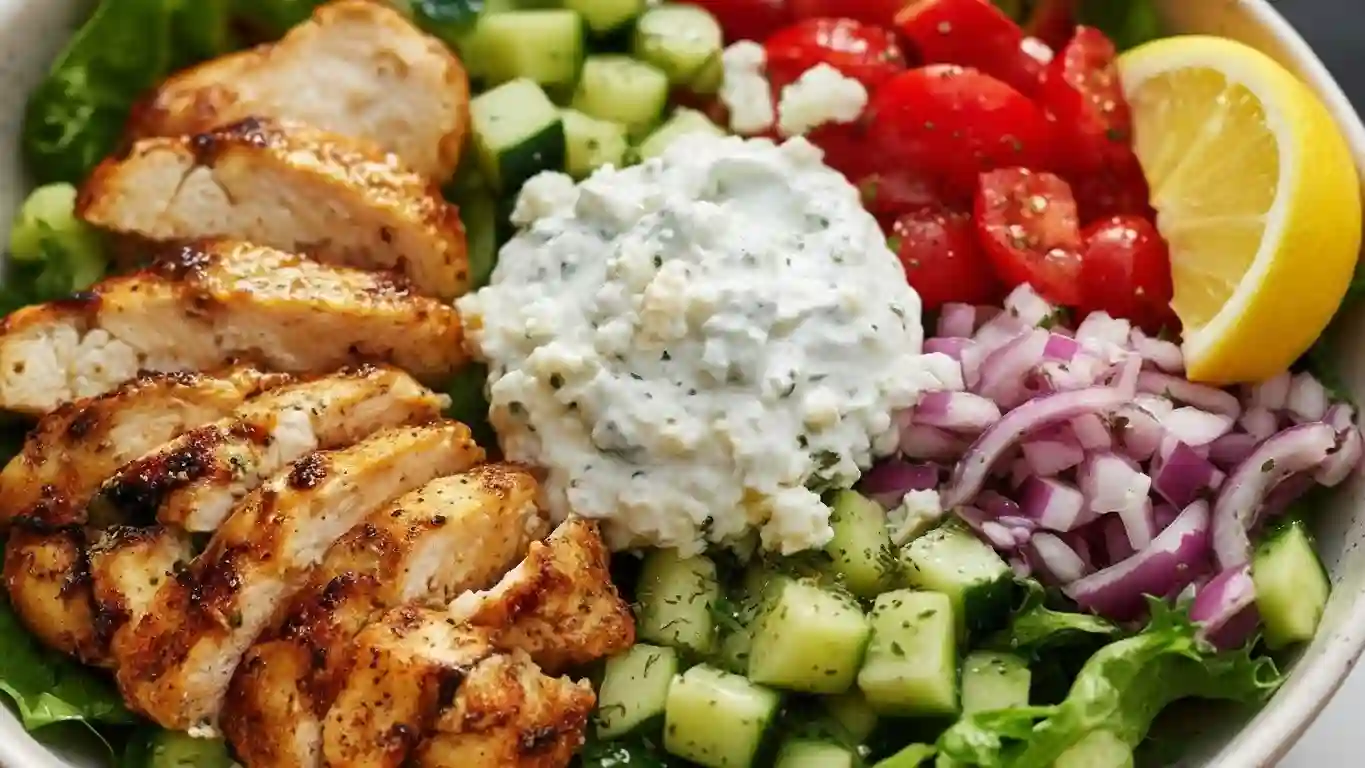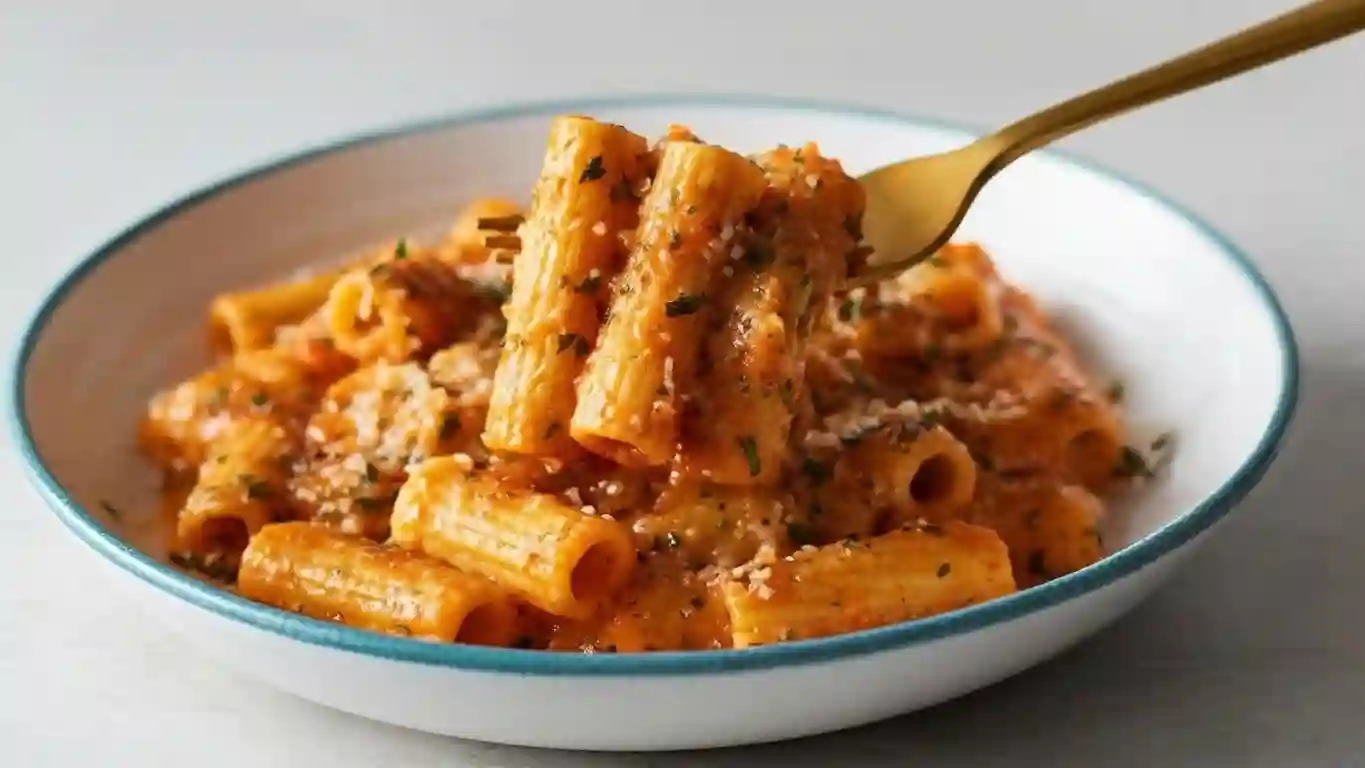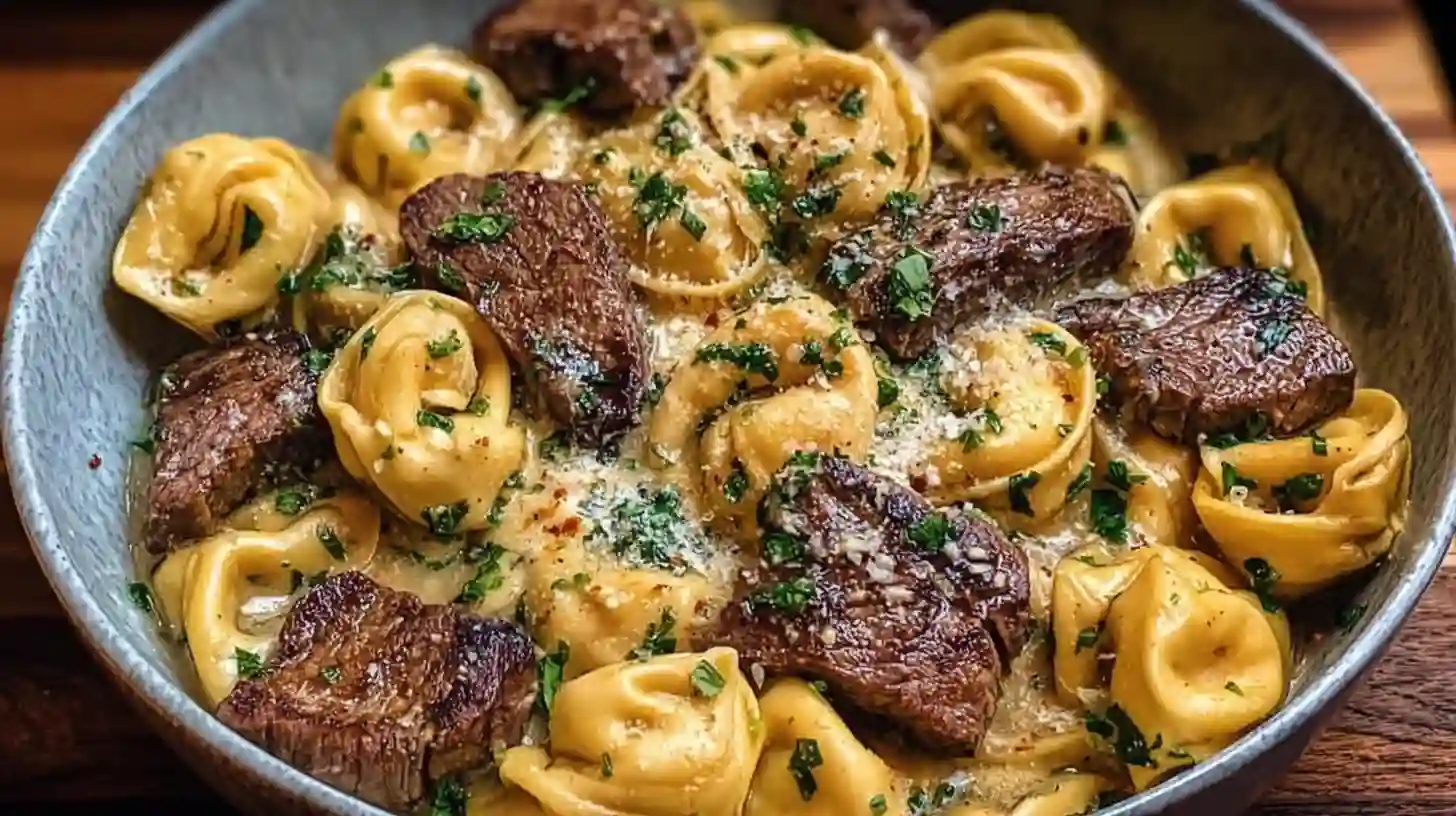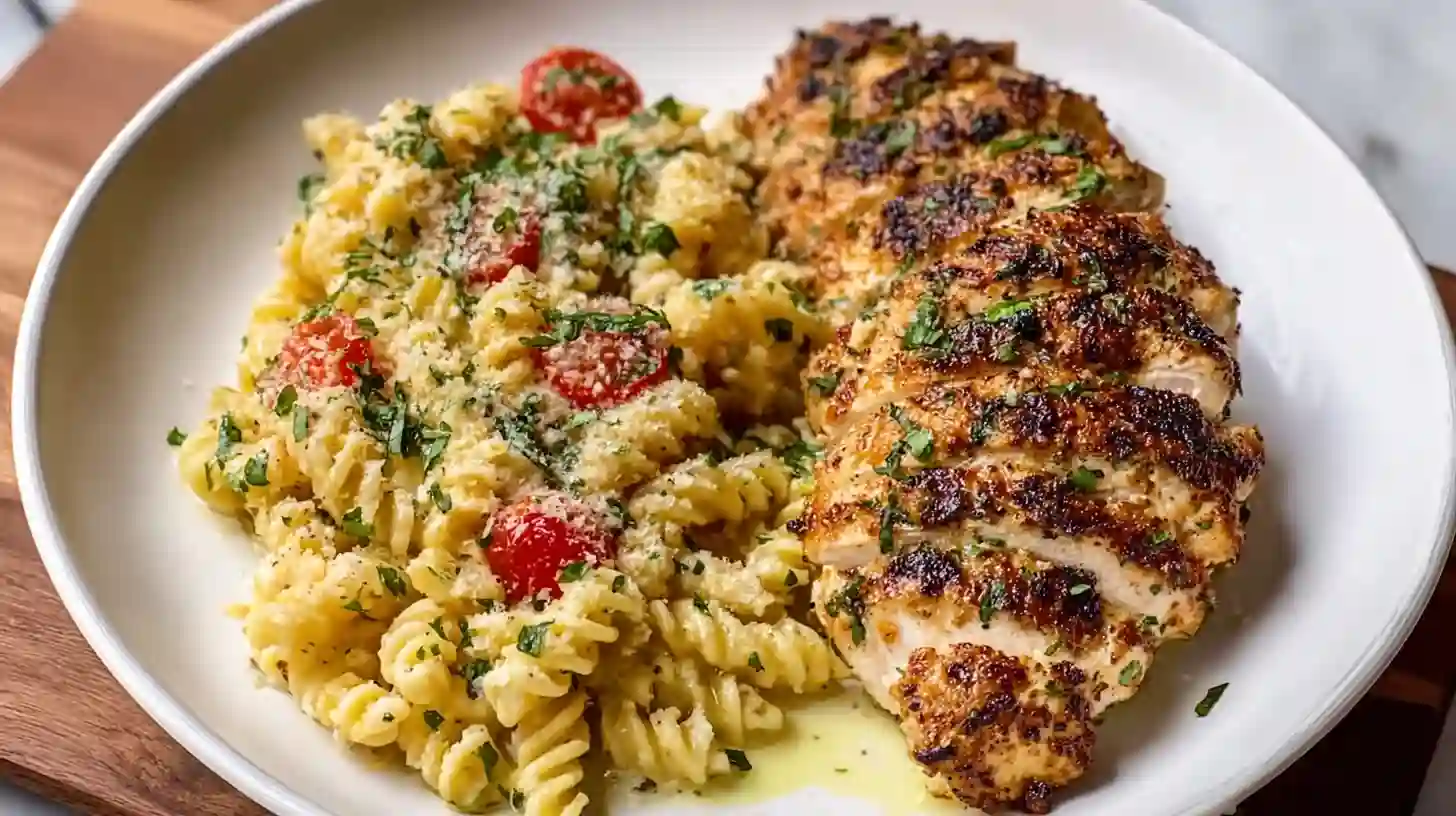

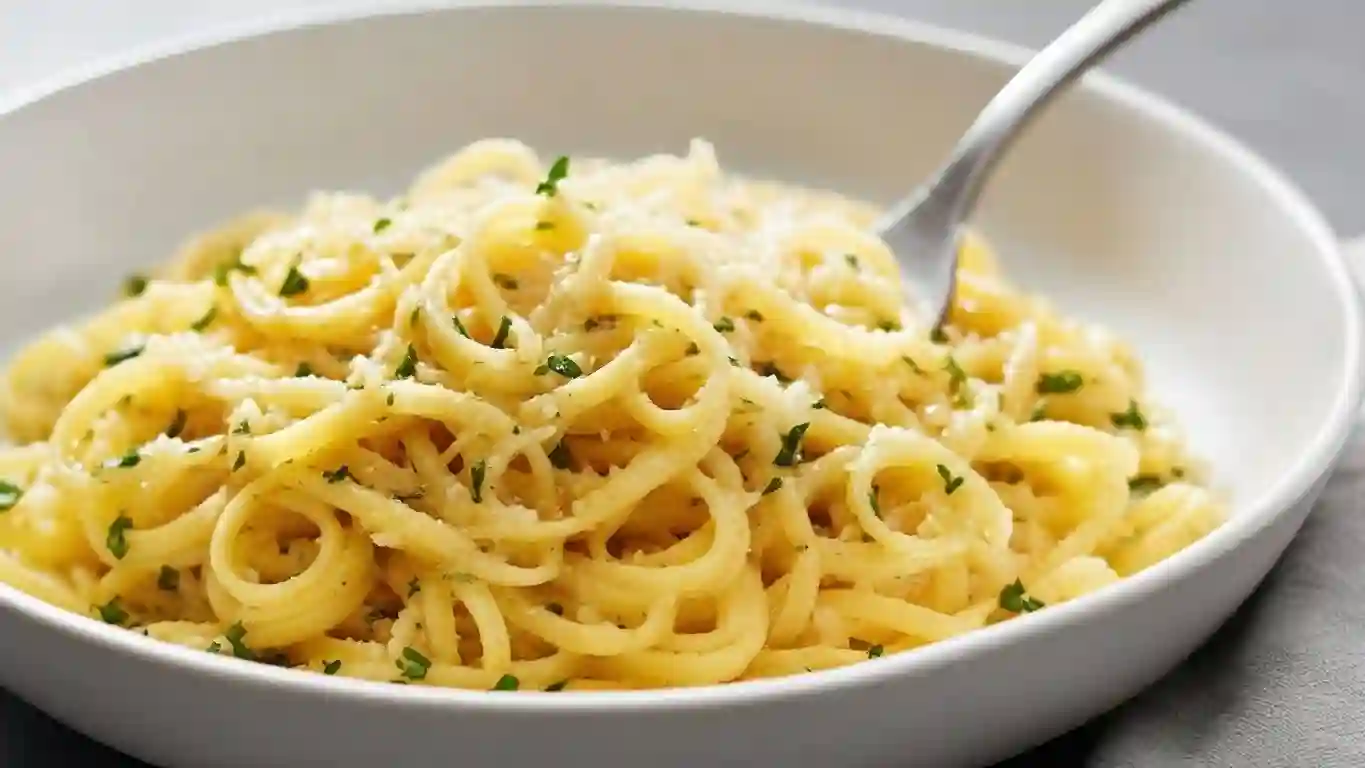
Unlock the secret to restaurant-quality Creamy Garlic Butter Noodles in under 15 minutes with this foolproof guide. We explore the essential culinary science behind creating a glossy, emulsified sauce using simple pantry staples without heavy cream.
Perfect for busy weeknights, this kid-friendly dish offers a sophisticated yet accessible meal solution. Learn how to master texture, flavor balance, and umami flavor enhancement for a truly elevated dining experience.

Garlic Butter Noodles

Equipment
- Large Pot
- Skillet
Ingredients
Ingredients
- 12 ounces linguine or other long, slender dried pasta
- 3 tablespoons butter
- 2 tablespoons olive oil
- 5 cloves garlic, minced
- kosher salt to taste
- freshly ground black pepper to taste
- 2 ounces parmesan cheese, freshly grated
- 1 tablespoon fresh parsley, chopped plus more for garnish
Instructions
- Bring a large pot of salted water to a boil. Cook linguine according to package directions until firm to the bite (al dente), about 9–13 minutes. Drain, reserving 1 cup of pasta water.
- Meanwhile, heat butter and olive oil in a large skillet over medium heat until sizzling. Add garlic; cook and stir until fragrant and slightly mellowed, about 1 minute. Remove from heat.
- Once pasta is drained, return skillet with garlic butter to medium heat. Add drained pasta, 1/4 cup reserved pasta water, and parsley; toss to coat. Add more pasta water if needed.
- Season with salt and pepper to taste. Transfer to a serving bowl or platter and top with grated parmesan cheese. Garnish with extra parsley and serve.
Notes

Table of Contents
Why This Simple Dish is a Weeknight Savior
I still remember the aroma drifting from my grandmother’s kitchen on rainy Tuesday evenings. She wasn’t making a complex ragu or a slow-roasted bird; she was making her signature Garlic Butter Pasta.
I watched her intently as she moved with a rhythm only years of experience could bestow. “The secret, little one,” she would say, tossing the steaming spaghetti, “is not in the fancy ingredients, but in how you treat the simple ones.” She taught me that a meal doesn’t need to be complicated to be memorable. It just needs to be executed with care and understanding.
This nostalgia is why I turn to this buttered noodles recipe time and time again. It is the ultimate comfort food that bridges the gap between childhood simplicity and adult palate expectations.
The Magic of Pantry Staples
It is truly remarkable how four humble ingredients pasta, butter, garlic, and parmesan—can come together to create a gourmet experience. This dish celebrates the beauty of pantry staples. You likely have everything you need right now to make Easy Garlic Butter Pasta.
When these elements combine, they create a synergy that is far greater than the sum of their parts. The sharp bite of garlic cuts through the rich fat of the butter, while the nutty parmesan provides a savory backbone that grounds the entire dish.
The Science of Emulsion
You might be wondering, what prevents this from just being a bowl of oily, greasy noodles? The answer lies in the science of emulsion. This is the technical heart of the recipe. We are creating a no-cream pasta sauce that feels incredibly rich by forcing fat and water to mix.
The secret weapon here is starchy pasta water. As the pasta cooks, it releases starch into the boiling water. When we introduce this cloudy, salty liquid to the melted butter and agitate it (by vigorous stirring or tossing), the starch molecules swell and interfere with the fat droplets.
This process prevents the fat from coalescing and separating. Instead, it forms a stable, thickened, and glossy sauce that clings lovingly to every strand of spaghetti. This is the difference between a greasy mess and a restaurant-quality plate of Garlic Butter Noodles.
Italian vs. San Francisco Style
Interestingly, this dish has two spiritual homes. There is the classic Italian method, often referred to as pasta al burro (though usually without the garlic intensity we love here), which focuses on the purity of the dairy and wheat.
Then, there is the famous “San Francisco Style” garlic noodles. This version is an umami-packed powerhouse, often served alongside roasted crab or garlic prawns. It leans heavily on Asian influences, incorporating ingredients like soy sauce or oyster sauce. In this guide, I will teach you the foundational technique that serves both styles, promising you a 15-minute pasta recipe that you can customize to your heart’s content.
Essential Ingredients & Expert Swaps

Choosing the Best Pasta Shape
The architecture of your pasta matters. For this specific sauce, I find that long noodles are superior. Butter Spaghetti Noodles, linguine, or fettuccine provide a long, smooth surface area that allows the silky sauce to coat the strand entirely. This maximizes the “slurp” factor that makes the dish so satisfying.
However, do not discount short shapes. If you are making this for children, or if you prefer a bite that traps ingredients, shapes like rotini, fusilli, or farfalle are excellent. Their nooks and crannies act as little reservoirs, catching the minced garlic and parsley, ensuring every bite is a flavor explosion. Recipes Using Egg Noodles are also a fantastic variation, offering a softer, more comforting texture that pairs beautifully with the rich butter.
Butter Matters
Since butter is the primary carrier of flavor here, quality is paramount. I strongly recommend using a high-fat, European-style salted butter. The lower water content and higher butterfat percentage in European butter yield a richer, creamier emulsion.
I prefer using salted butter because it seasons the dish from the inside out. However, if you are watching your sodium intake, you can certainly use unsalted butter. Just be mindful that you will need to taste and adjust the salt levels more aggressively at the end to avoid a bland result.
Garlic: Fresh vs. Powder
Let’s be clear: for the true Garlic Butter Pasta Recipe experience, fresh garlic is non-negotiable. Jarred garlic often contains preservatives like citric acid, which can lend a metallic or sour off-note to your delicate sauce. I take the time to mince fresh cloves.
If you want a intense “bite” and aroma, mince the garlic finely. If you prefer a mellower, sweeter garlic presence, slice the cloves thinly.
That said, garlic powder has its place. I often add a pinch of garlic powder alongside the fresh garlic. It provides a different dimension of flavor toasty and savory that acts as a background note, enhancing the fresh garlic rather than replacing it.
The Cheese Factor
The type of cheese you use can make or break the texture. You must use freshly grated Parmesan Reggiano or Pecorino Romano. Pre-shredded cheese sold in bags is coated with anti-caking agents like cellulose.
These agents prevent the cheese from clumping in the bag, but they also prevent it from melting smoothly in your sauce. If you use bagged cheese, you will likely end up with a grainy, stringy mess rather than a smooth emulsion.
Optional Umami Boosters
If you want to take this buttered noodles recipe to the next level, consider adding a secret “umami bomb.” A dash of soy sauce or a teaspoon of fish sauce (don’t worry, it won’t taste like fish) adds a depth of savory flavor that salt alone cannot achieve.
Another trick I use is dissolving a small amount of chicken bouillon powder into the pasta water or the butter sauce. This mimics the richness of a meat-based sauce without the heaviness, creating a truly savory profile.
How to Make Creamy Garlic Butter Noodles (Step-by-Step)
Step 1: The Perfect Boil
I start by bringing a large pot of water to a rolling boil. I season this water generously with sea salt until it tastes like the ocean. This is the only chance you have to season the pasta itself.
I drop the noodles in and cook them until they are pasta al dente. This means they should still have a slight firmness or “bite” in the center. Overcooked pasta will turn mushy when tossed with the sauce.
Here is the most crucial step: Before I even think about draining the pasta, I dip a measuring cup into the pot and reserve about one cup of the starchy cooking water. This is “liquid gold.” Without this water, you cannot make the sauce.
Step 2: Infusing the Butter
While the pasta cooks, I place a large skillet over medium-low heat. I add the butter and let it melt gently. Once it is foaming, I add the minced garlic.
I cook the garlic slowly. I am not looking for a dark brown color, which can taste bitter. I want a soft, pale gold color that signals the garlic has infused its flavor into the fat. If I am using red pepper flakes for a kick, I add them now to “bloom” in the hot fat, releasing their oils.
Step 3: The Marriage (Emulsification)
Now comes the magic. I transfer the cooked noodles directly from the water into the skillet with the garlic butter. I do not worry if some water drips in; in fact, I want it to.
I immediately pour in about half a cup of the reserved starchy pasta water. Then, I increase the heat to medium-high and begin to toss the noodles vigorously with tongs.
I watch as the water boils and evaporates, mixing with the butter to form a thick, creamy coating. If the pan looks dry, I add more pasta water. This process of agitation and reduction is what creates the emulsified sauce.
Step 4: The Finishing Touch
Once the sauce looks glossy and coats the noodles rather than pooling at the bottom of the pan, I remove the skillet from the heat. This is vital. If the pan is too hot when I add the cheese, the proteins will seize and separate.
Off the heat, I sprinkle in the freshly grated Parmesan and chopped parsley. I toss it all again until the cheese melts into the sauce. Finally, I finish with a squeeze of fresh lemon juice. The acidity cuts through the fat and brightens the entire dish, making it impossible to stop eating.
5 Viral Variations to Level Up Your Dinner
1. San Francisco Style (Asian Fusion)
To transform this into the famous San Francisco garlic noodles, I modify the butter base. Along with the garlic, I whisk in a tablespoon of oyster sauce, a teaspoon of soy sauce, and a pinch of sugar.
The sugar caramelizes slightly in the butter, providing a beautiful balance to the salty oyster sauce. This version is incredibly addictive and pairs wonderfully with roasted seafood.
2. Spicy Garlic Butter Noodles
For those who crave heat, I love making a spicy version. I incorporate a teaspoon of Calabrian chili paste or Gochugaru (Korean chili flakes) into the butter at the very beginning.
The heat permeates the fat, ensuring every strand of pasta carries a gentle fire. It transforms the dish from a mild side into a bold main course.
3. Protein Packed
While delicious on its own, adding protein turns this into a complete meal. Garlic butter shrimp is a classic pairing. I sauté the shrimp in the garlic butter first, remove them, make the noodles, and then toss the shrimp back in at the end.
Grilled chicken breast sliced thinly works perfectly as well. For a vegetarian protein boost, a 7-minute soft-boiled egg with a jammy yolk placed on top adds richness and texture.
4. The “Green” Version
I often use this recipe as a vehicle to get more vegetables into my diet. The heat of the pasta is perfect for wilting greens.
I stir in a few handfuls of fresh baby spinach or frozen peas during the final toss. The residual heat cooks them perfectly without making them mushy. Roasted broccoli florets tossed in at the end also add a wonderful textural contrast.
5. Crunchy Textures
Texture is often overlooked in simple pasta dishes. To combat the softness of the noodles, I like to top the finished dish with pangrattato (toasted breadcrumbs).
I toast breadcrumbs in a little olive oil with garlic and herbs until golden brown. Sprinkling this over the Creamy Butter Noodles adds a delightful crunch that mimics the texture of parmesan but with more substance.
Troubleshooting Common Mistakes
“Why is my sauce greasy/oily?”
If your sauce looks like a pool of oil, the emulsion has broken. This usually happens because the heat was too high or there wasn’t enough water to bind the fat.
Fix: Do not panic. Add a splash of hot water (not pasta water if it’s already salty enough, just hot tap water) and whisk or toss vigorously. The fresh water will help re-suspend the fat droplets.
“Why is my cheese clumpy?”
Clumpy cheese is a tragedy. This is almost always caused by adding cheese to a pan that is bubbling hot. The high heat tightens the cheese proteins instantly.
Fix: Always, always remove the pan from the heat source and let it cool for ten seconds before adding the cheese. The residual heat of the pasta is enough to melt it gently.
“Why does it taste bland?”
It is heartbreaking to make Buttered Noodles Recipe Easy and find it flavorless. The culprit is usually the pasta water. If the water wasn’t salty enough, the noodles themselves will be bland.
Fix: You can salvage this by finishing the dish with a sprinkle of flaky sea salt or a dash of soy sauce for that umami kick. Acid (lemon juice) can also wake up hidden flavors.
“My noodles are sticky!”
If your Simple Noodle Recipes turn into a gluey ball, you likely rinsed the pasta or let it sit too long without sauce.
Fix: Never rinse pasta for a hot dish; you wash away the starch needed for the sauce. Ensure you have enough reserved pasta water to loosen the noodles up if they start to stick.
Storage, Reheating & Meal Prep
Fridge Life
Garlic Butter Pasta Recipes are best eaten fresh, but leftovers can be stored in an airtight container in the refrigerator for 3 to 5 days. The sauce will solidify and the noodles will absorb the moisture, so it will look dry when cold.
The Reheating Secret
Please do not just zap this in the microwave as is. The butter will separate, and you will have greasy noodles.
Microwave vs. Stovetop: To reheat, I place the noodles in a skillet with a splash of water and a small knob of fresh butter. I heat gently, tossing constantly. The new butter and water help re-emulsify the sauce, bringing back that glossy sauce texture.
Freezing
I must be honest: this dish is not suitable for freezing. The emulsion of butter and water breaks down completely upon freezing and thawing, leading to a grainy texture. Since it is a Quick Garlic Butter Pasta, it is far better to make it fresh.
More easy Recipes To Try!
Strawberry Crunch Cheesecake Tacos
Frequently Asked Questions (FAQs)
How do you keep butter noodles from getting sticky?
The key is the ratio of sauce to pasta and the starch. Do not rinse your pasta! The starch helps the sauce slide. If they get sticky while serving, add a splash of warm water and toss again.
Can I use garlic powder instead of fresh garlic?
Yes, you can. It is perfectly acceptable, especially for kid-friendly versions where visible chunks of garlic might be rejected. However, the flavor will be less pungent and more mellow.
What can I add to butter noodles to make them better?
There are many quick wins. Lemon zest, red pepper flakes, fresh parsley, cracked black pepper, or even a drizzle of truffle oil can elevate buttered noodles recipe instantly.
Why is my garlic butter sauce oily?
As mentioned, this is a temperature issue. If the butter gets too hot, it separates into milk solids and fat. Keep the heat moderate and rely on the starchy water to bind it all together.
Can I use honey in this recipe?
Absolutely. Honey Garlic Noodles are a delicious variation. Adding a tablespoon of honey with the garlic and butter creates a sweet and savory profile that is irresistible.
Nutritional Overview (Per Serving)
Note: Values are approximate and based on standard ingredients.
| Component | Amount |
| Calories | ~350-400 kcal |
| Carbohydrates | 45g |
| Protein | 10g |
| Fat | 18g |
This How To Make Garlic Butter Pasta guide provides you with a foundation. Whether you stick to the classic butter noodles easy method or experiment with spicy, protein-packed variations, the technique of emulsification remains the same. Enjoy the process of turning simple ingredients into a feast.