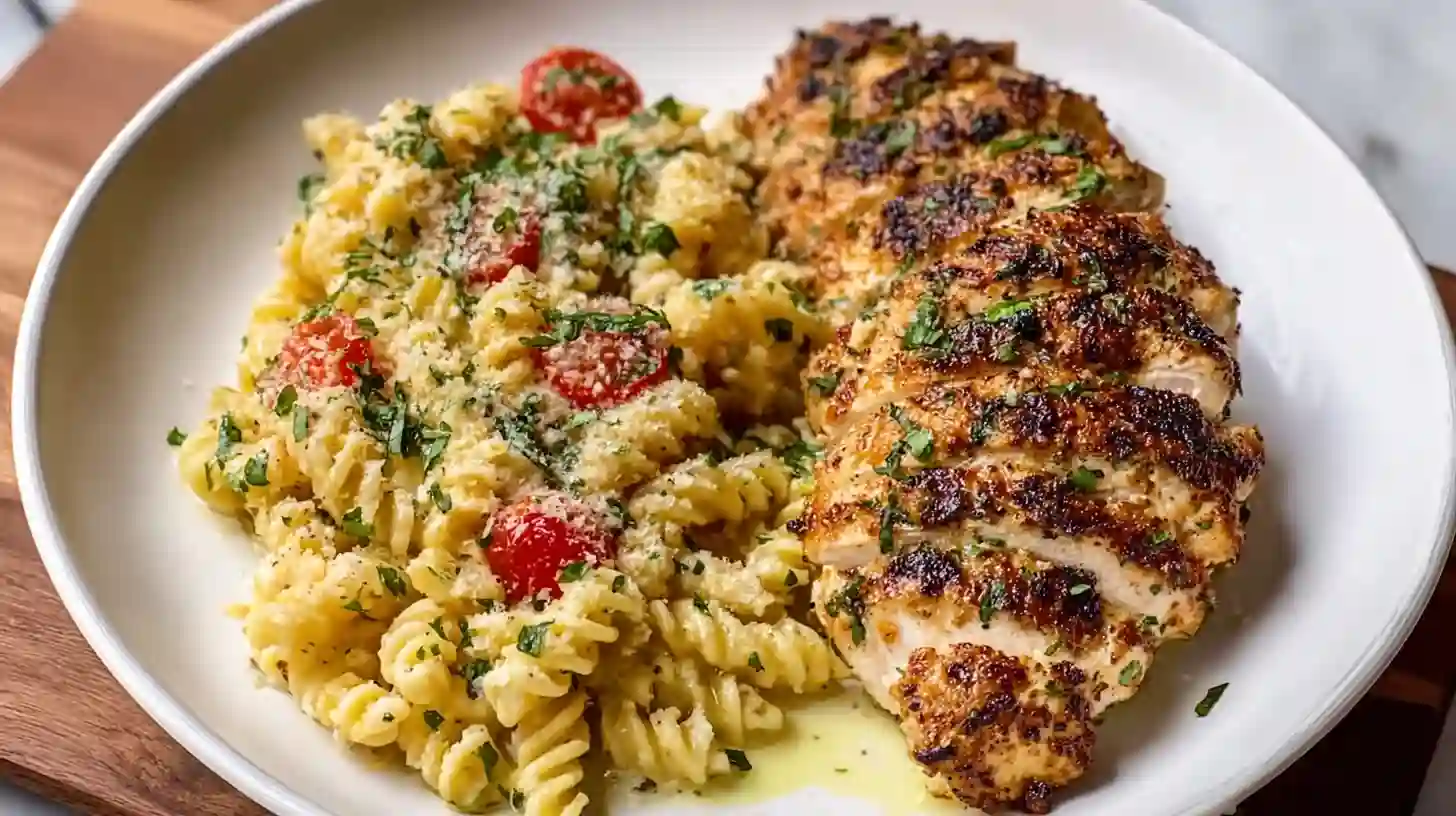

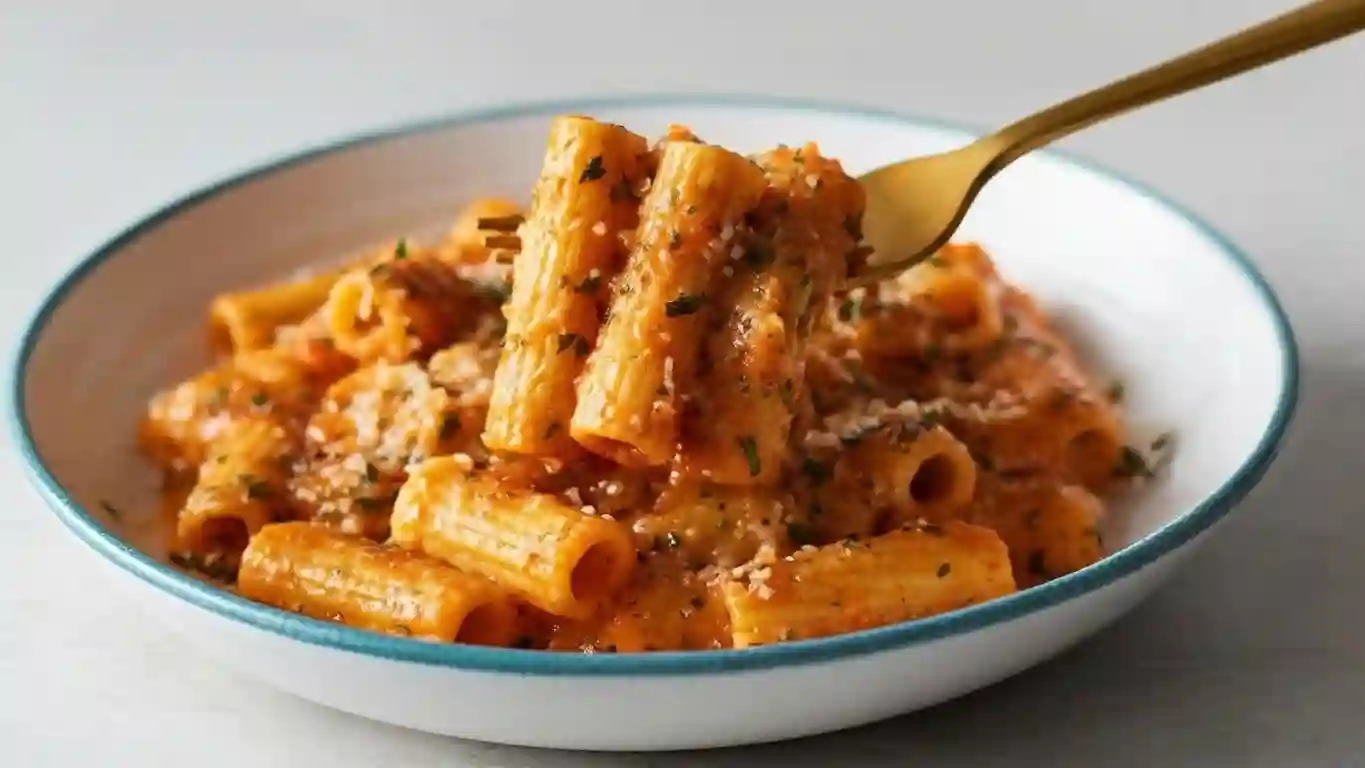
Discover the secret to mastering the ultimate Creamy tomato garlic pasta, a dish that effortlessly balances rich, velvety textures with bright, savory flavors. This guide offers a comprehensive deep dive into creating a restaurant-style meal at home, emphasizing technique, ingredient chemistry, and flavor profiling. Perfect for a 30-minute vegetarian pasta dinner, this resource provides the culinary insight needed to elevate simple pantry staples into a gourmet experience.
Easy and Creamy Tomato Garlic Pasta

Equipment
- Knife
- Cutting Board
- Large Pan
- Large Pot
Ingredients
- 8 cloves garlic minced
- 3 cups cherry tomatoes halved
- 4 tbsp olive oil
- 1 cup dry white wine
- 1 tsp white sugar
- 1 tsp chili flakes
- 2 tbsp tomato paste
- 2 cups heavy cream or plant-based cream alternative
- 1 tbsp flour for thickening
- 1/2 cup chopped parsley fresh
- 8 oz rigatoni pasta cooked al dente
- 1 tsp smoked paprika
- 1 tsp garlic powder
- salt and pepper to taste
- freshly grated Parmesan optional for garnish
Instructions
- Prep the ingredients: mince the garlic and slice the cherry tomatoes in half.
- Heat olive oil in a large pan over medium heat. Add the minced garlic and salt, sauté until fragrant and golden, about 5 minutes.
- Add cherry tomatoes and a pinch of salt. Sauté for 10–15 minutes until softened and juicy.
- Deglaze with white wine, simmer for 5 minutes, then stir in chili flakes and tomato paste.
- Add heavy cream and stir. Mix flour with water to make a slurry and stir it into the sauce. Cook for 5–10 minutes until thickened.
- Stir in parsley, smoked paprika, garlic powder, salt, and pepper. Add cooked rigatoni and toss to coat.
- Simmer for 5 more minutes, then let rest covered for 5 minutes before serving.
- Garnish with Parmesan and parsley, serve warm.
Notes
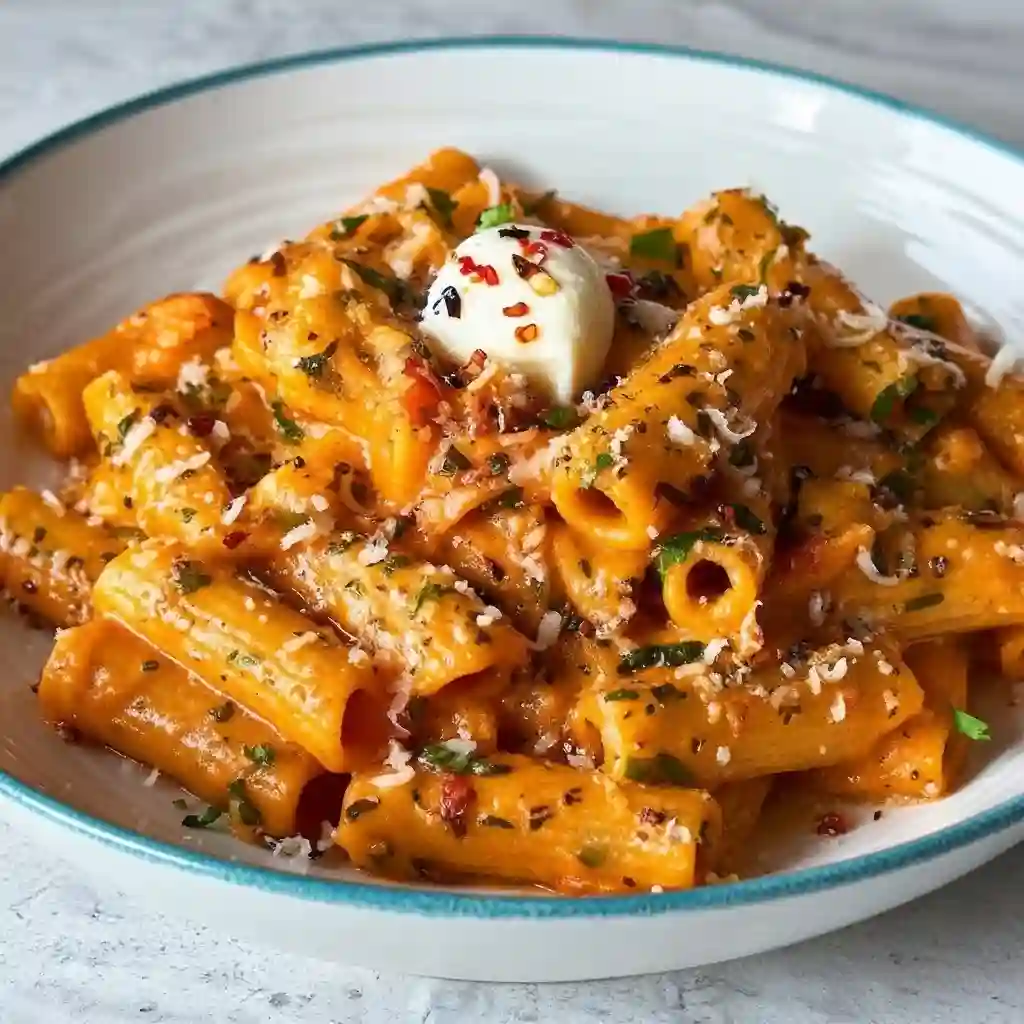
Table of Contents
I still vividly remember standing in the rustic, sun-drenched kitchen of my neighbor, Madame Clémence, a formidable French cook who viewed boiling water as a serious art form. She would often scold me gently, but firmly if I rushed the garlic or failed to salt the pasta water until it tasted like the Mediterranean Sea.
“The sauce must wait for the pasta,” she would declare, waving a wooden spoon like a conductor’s baton, “but the pasta must never wait for the sauce.” It was in her kitchen that I learned that the simplest pasta dishes recipes often require the most respect for detail.
In my experience, attempting to replicate her mastery led me to this specific recipe. It is not just about tossing ingredients into a pot; it is about understanding how fat, acid, and heat interact. Today, I am sharing the science and soul behind what is colloquially known as Pink sauce pasta, ensuring you never have to suffer through a bland or broken sauce again.
Introduction & The Allure of “Pink Sauce”
The Hook: A Sensory Masterpiece
Imagine a forkful of perfectly cooked rigatoni, coated in a sauce that sits right on the edge of decadence. It is not quite a marinara, nor is it a heavy Alfredo; it is the perfect hybrid. This Creamy Tomato Garlic Pasta offers a sensory experience that feels incredibly luxurious, yet it is born from humble beginnings.
We often think of “luxury” meals as requiring hours of prep or expensive proteins, but this dish proves otherwise. It is the ultimate “emergency luxury” meal—a way to turn standard pantry staples into something that tastes like it cost $30 a plate at a downtown bistro. The glossy, velvety texture of the sauce clings to every ridge of the pasta, delivering a punch of umami and comfort in every bite.
Why This Is The “Marry Me” of Pasta Dishes
You may have heard of “Marry Me Chicken,” a viral trend focused on sun-dried tomatoes and cream. This Tomato garlic pasta recipe operates on the same principle, often dubbed Marry Me Pasta because of its undeniable ability to impress. The secret lies in the delicate physiological interplay between acidity and fat.
Tomatoes are naturally acidic and bright, while heavy cream is rich and coating. When you emulsify them together, the acidity cuts through the fat, preventing the dish from feeling too heavy, while the fat mellows the sharp bite of the tomato. This balance creates an addictive flavor profile that triggers our biological preference for high-energy, savory foods.
3 Reasons You Will Make This Every Week
First, efficiency is key in modern cooking. This dish is ready in under 25 minutes, making it significantly faster than waiting for a delivery driver. It fits perfectly into the category of Fast Dinners without sacrificing quality.
Second, it is a vegetarian main course that is hearty enough to satisfy even the most devoted meat-eaters. The richness of the cream and the savory depth of the sautéed garlic provide a fullness that mimics meat-based umami.
Third, the “one-pan” sauce method minimizes the dreaded post-dinner cleanup. By building the sauce in a large skillet while the pasta boils, you streamline the process, making this one of the most practical Easy Pasta Recipes for busy weeknights.
The Science of Ingredients
Key Ingredients for the Perfect Creamy Tomato Garlic Pasta
To achieve the best results, one must understand the raw materials. The creamy tomato garlic pasta ingredients you choose will dictate the final viscosity and flavor depth of the sauce.
Fresh vs. Canned Tomatoes: Which is Best?
There is often a debate in culinary circles regarding the tomato base. Should you use fresh produce or canned convenience? In Maja’s recipe inspiration, fresh cherry tomatoes are used to create a “burst” effect. This technique, resulting in Burst cherry tomato creamy pasta, adds a delightful textural contrast where the skins provide a slight chew and the insides release sweet pectin.
However, high-quality canned tomatoes (specifically San Marzano) offer a smoother, more consistent acidity. For this scholarly approach, I recommend a hybrid method or sticking to high-quality canned crushed tomatoes if you want a uniform Pink sauce pasta. If you choose fresh, ensure they are ripe; if canned, look for “DOP” certified San Marzanos for that authentic sweetness.
Heavy Cream vs. Milk: Avoiding the Curdle
This is the most critical chemical junction in the recipe. I strongly advise using heavy whipping cream (at least 36% milk fat). The science is simple: the high fat content creates a protective emulsion that prevents the protein in the dairy from denaturing and clumping when it hits the acidic tomatoes and hot pan.
If you attempt to substitute skim milk or even half-and-half without a stabilizing agent (like a roux or cornstarch), the acid from the tomatoes will cause the milk solids to coagulate, resulting in a grainy, separated mess. For a true Garlic cream sauce for pasta, fat is not just for flavor; it is a structural necessity.
The Garlic Factor
We cannot ignore the titular ingredient. While jarred, pre-minced garlic is convenient, it often lacks the potent allicin compounds found in freshly crushed cloves. Preserved garlic also tends to have a slightly sour, metallic aftertaste due to the citric acid used in canning.
For that bold, aromatic profile characteristic of the Best Pasta Recipes, I insist on using fresh garlic and plenty of it. Six to eight cloves is the baseline here. When sautéed properly, the harshness mellows into a sweet, nutty flavor that forms the backbone of the sauce.
Best Pasta Shapes for Creamy Sauces
The geometry of your pasta matters. Smooth noodles like spaghetti are poor candidates for this heavy sauce, as the cream slides right off. You need shapes with surface area and “traps.”
I recommend Rigatoni or Penne. These tubular shapes capture the Creamy tomato rigatoni sauce inside the hollow center, ensuring that every bite is juicy. Mafaldine (ruffled ribbon pasta) or Fusilli (corkscrews) are also excellent alternatives, as their ridges hold the emulsion effectively.
Step-by-Step Cooking Method
How to Make Creamy Tomato Garlic Pasta (Step-by-Step)
This section details the precise methodology required to execute this step-by-step pasta recipe flawlessly. We will focus on heat management and timing.
Step 1: The Flavor Base (Don’t Burn the Garlic!)
A common error in many online recipes is the instruction to sauté minced garlic first. Garlic burns at a much lower temperature than onions or tomatoes, turning bitter within seconds. To correct this, I start by sweating finely diced onions (or shallots) in olive oil until translucent.
Only when the onions are soft do I add the fresh garlic, sautéing it for strictly 30 to 60 seconds. This releases the aromatic oils without scorching the alliums. This adjustment is crucial for anyone wondering How To Cook Pasta sauces that taste professional rather than acrid.
Step 2: Deglazing and Simmering
Once the aromatics are fragrant, I add tomato paste. It is vital to “fry” the paste for a minute to caramelize the sugars and remove the raw tinny taste. This is also when I bloom the spices dried oregano and red pepper flakes in the hot oil.
Next comes the deglazing. While traditional recipes might use white wine, I use a high-quality vegetable broth mixed with a teaspoon of apple cider vinegar or lemon juice. This non-alcoholic substitution mimics the acidity and complexity of wine, lifting the fond (the browned delicious bits) from the bottom of the pan. This step builds the foundation of savory Tomato Based Pasta Recipes.
Step 3: The “Pink” Transformation
Now, we add the bulk tomatoes (fresh or crushed) and let them simmer until reduced. Once the water content has evaporated significantly, it is time for the transformation.
I lower the heat to medium-low before pouring in the heavy whipping cream. If the heat is too high, the emulsion can break. As you stir, you will witness the deep red sauce turn into a gorgeous, vibrant orange-pink. This gentle simmering melds the acid and fat into a cohesive Tomato Cream Sauce Pasta.
Step 4: The Marriage of Pasta and Sauce
The final step is not merely serving; it is a cooking technique. I transfer the pasta directly from the boiling water into the skillet when it is just shy of al dente.
By finishing the cooking process inside the sauce, the pasta absorbs the flavors of the garlic and cream rather than just seasoned water. This technique, often overlooked in simple pasta recipes, is what distinguishes a home cook from a chef.
Expert Tips for Success
Pro-Tips for the Best Creamy Tomato Sauce
To ensure your Creamy Tomato Pasta Recipes are foolproof, here are several professional nuances I have picked up over the years.
The Magic of “Liquid Gold” (Pasta Water)
Never drain your pasta completely. The cloudy, starchy water left in the pot is an emulsifier often called “liquid gold.” When you add a splash of this Pasta water to your sauce, the starch molecules expand and help bind the oil and water phases together.
This results in a silky sauce that coats the noodles perfectly rather than pooling at the bottom of the bowl. It is the single most important ingredient in easy pasta dishes that look professional.
Balancing Acidity with Sugar
Tomatoes can vary wildly in acidity depending on the season and brand. If you find your sauce tastes too sharp or metallic, do not despair. A How to fix acidic tomato sauce trick is to add a teaspoon of sugar.
Alternatively, a tiny pinch of baking soda can neutralize the excess acid without adding sweetness. Taste your sauce constantly; if it makes your jaw tingle, it needs balancing.
Achieving the Perfect “Al Dente”
Al dente means “to the tooth” firm, with a slight bite. For this recipe, you must undercook the pasta by exactly one minute based on the package instructions.
Because the pasta will continue to cook in the hot skillet with the sauce, pulling it early prevents it from becoming mushy. Mushy pasta is the enemy of Best Creamy Pasta Recipes.
Variations & Protein Add-Ins
Customizing Your Tomato Garlic Pasta
While the vegetarian base is spectacular, this recipe is a versatile canvas. Here is how to modify it for different palates.
Add Protein (Chicken, Shrimp, or Sausage)
To turn this into a heartier meal, protein is a great addition. For a Chicken tomato pasta variant, I recommend searing bite-sized cubes of chicken breast in the pan before starting the onions, then setting them aside and adding them back at the end.
Alternatively, shrimp cooks very quickly and can be added raw into the simmering sauce for the final 3 minutes. For a smoky depth, crumble in beef or turkey sausage (avoiding pork as per our guidelines) to create a rustic, savory dish.
Make it Spicy (Calabrian Chili Version)
If you enjoy heat, swap the standard red pepper flakes for a teaspoon of Calabrian chili paste. This adds a fermented, complex heat that permeates the Cheesy Tomato Pasta sauce more thoroughly than dry flakes.
Vegan & Gluten-Free Adaptations
This dish is easily adapted for dietary needs. For a vegan version, substitute the heavy cream with full-fat canned coconut milk or a homemade cashew cream. Nutritional yeast can replace the Parmesan for that cheesy umami kick.
For a gluten-free option, use brown rice or chickpea rigatoni. Be mindful that gluten-free pasta releases more starch, so you may need to use more pasta water to loosen the sauce.
Serving & Storage
What to Serve with Creamy Tomato Pasta
Since this is a rich dish, the sides should offer contrast.
Best Side Dishes
I always serve this with a side of crusty garlic bread—essential for “fare la scarpetta” (the Italian act of mopping up the sauce).
To cut through the richness, a peppery Arugula Salad with a sharp lemon vinaigrette is ideal. The acid and bitterness of the greens cleanse the palate between bites of the creamy pasta. Roasted Broccolini with lemon zest is another excellent, healthy companion to these pasta meals.
Storage and Reheating Rules
Cream-based sauces are notoriously difficult to store. The Rule is simple: do not freeze this dish. The freezing process causes the fat in the cream to crystallize and separate upon thawing, ruining the texture.
However, leftovers can be kept in the fridge for 3 days. When reheating, do so gently on the stove top over low heat. You must add a splash of water or broth to loosen the sauce, as the pasta will have absorbed most of the moisture while sitting in the fridge.
More easy Recipes To Try!
Strawberry Crunch Cheesecake Tacos
Frequently Asked Questions
Can I use milk instead of heavy cream?
Not directly. As mentioned in the science section, milk lacks the fat content to remain stable in an acidic tomato environment. If you must use milk, you should first create a roux (cooking butter and flour together) or use a cornstarch slurry to thicken the liquid and prevent curdling. However, for the Best Creamy Pasta Recipes, heavy cream or a Heavy cream substitute like coconut cream is superior.
Why is my sauce oily/separated?
If you see pools of oil floating on top, the emulsion has broken. This usually happens if the heat was too high after adding the cream, or if you didn’t include enough starchy Pasta water. To fix it, take the pan off the heat and vigorously whisk in a tablespoon of hot water until it comes back together.
Can I make this pasta ahead of time?
It is best enjoyed fresh. However, if you are meal prepping, I suggest storing the Tomato Paste Pasta Sauce and the cooked pasta in separate containers. Combine them in a pan with a little water when you are ready to eat. This preserves the texture of the pasta and the integrity of the sauce.
How do I fix a bland tomato sauce?
Blandness is almost always a salt issue. Remember, you must salt the pasta water heavily it should taste like the ocean. If the finished dish is still flat, try adding a squeeze of lemon juice (acid wakes up flavor) or a generous grating of Parmesan Reggiano.
Conclusion
Mastering this Creamy Tomato Garlic Pasta is about more than just following instructions; it is about understanding the delicate dance between ingredients. By respecting the technique sweating the aromatics, emulsifying the cream, and utilizing pasta water you can create a Tomato Butter Pasta quality dish that rivals any high-end Italian restaurant.
Whether you call it Pink sauce pasta, Tomato Cream Sauce Pasta, or simply dinner, this recipe is a testament to the power of simple ingredients treated with care.