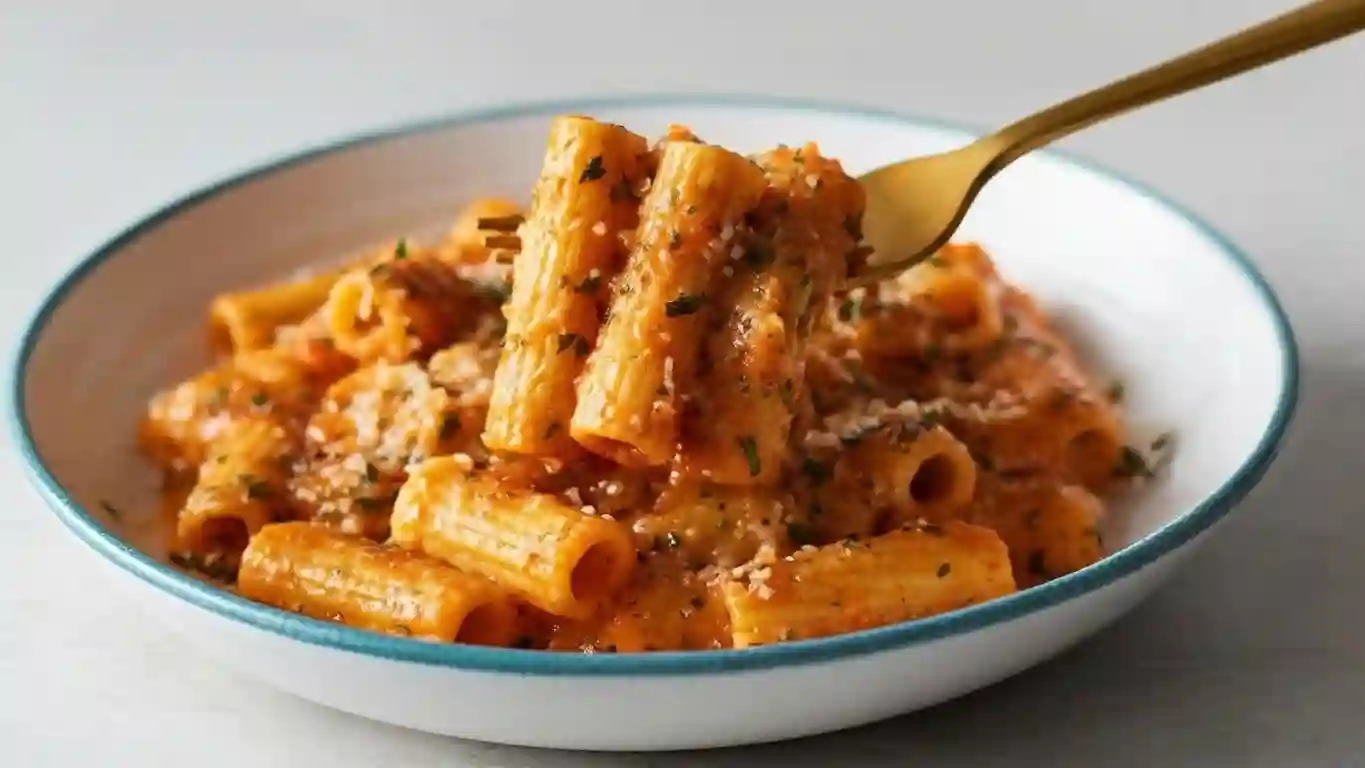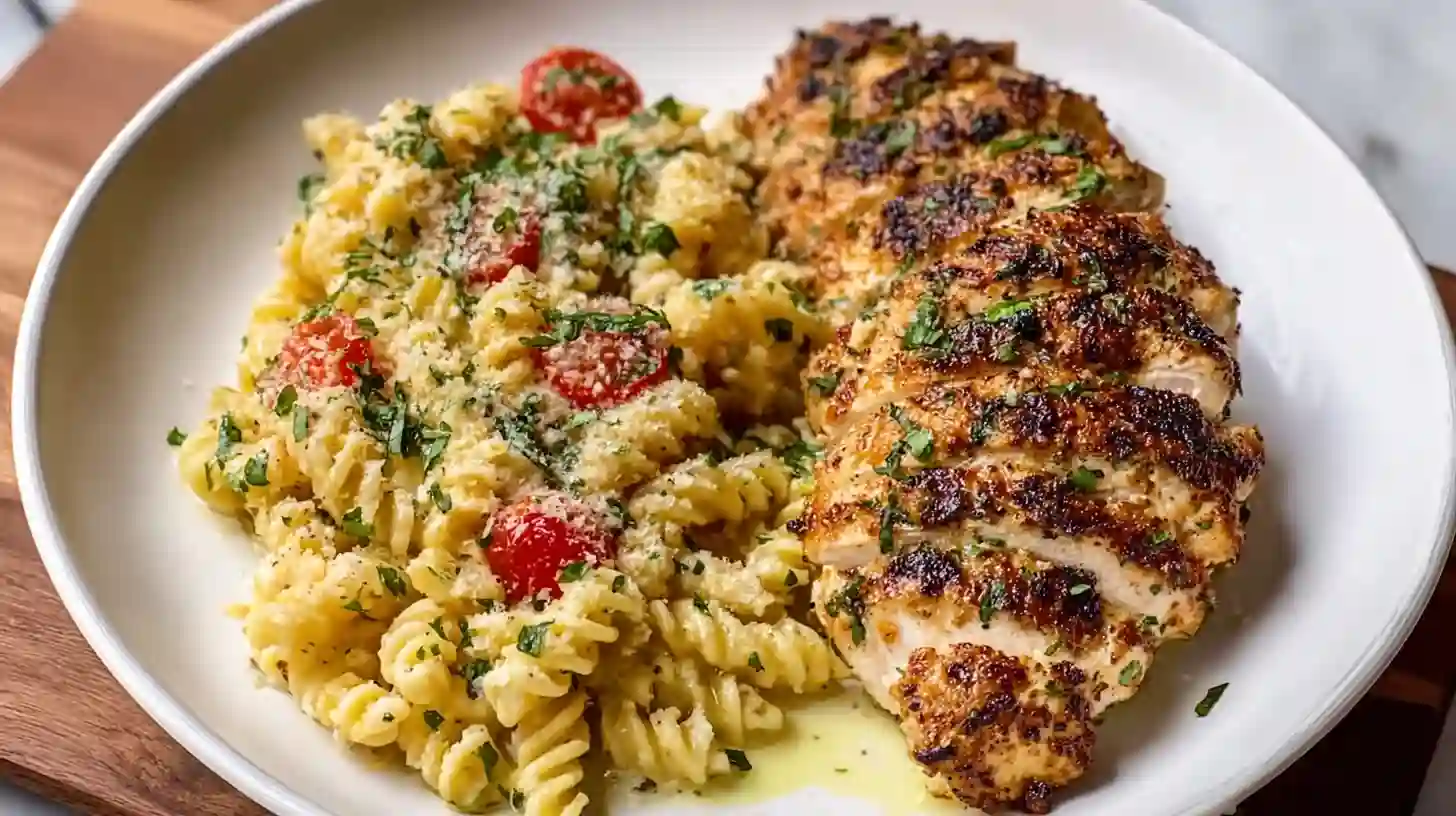

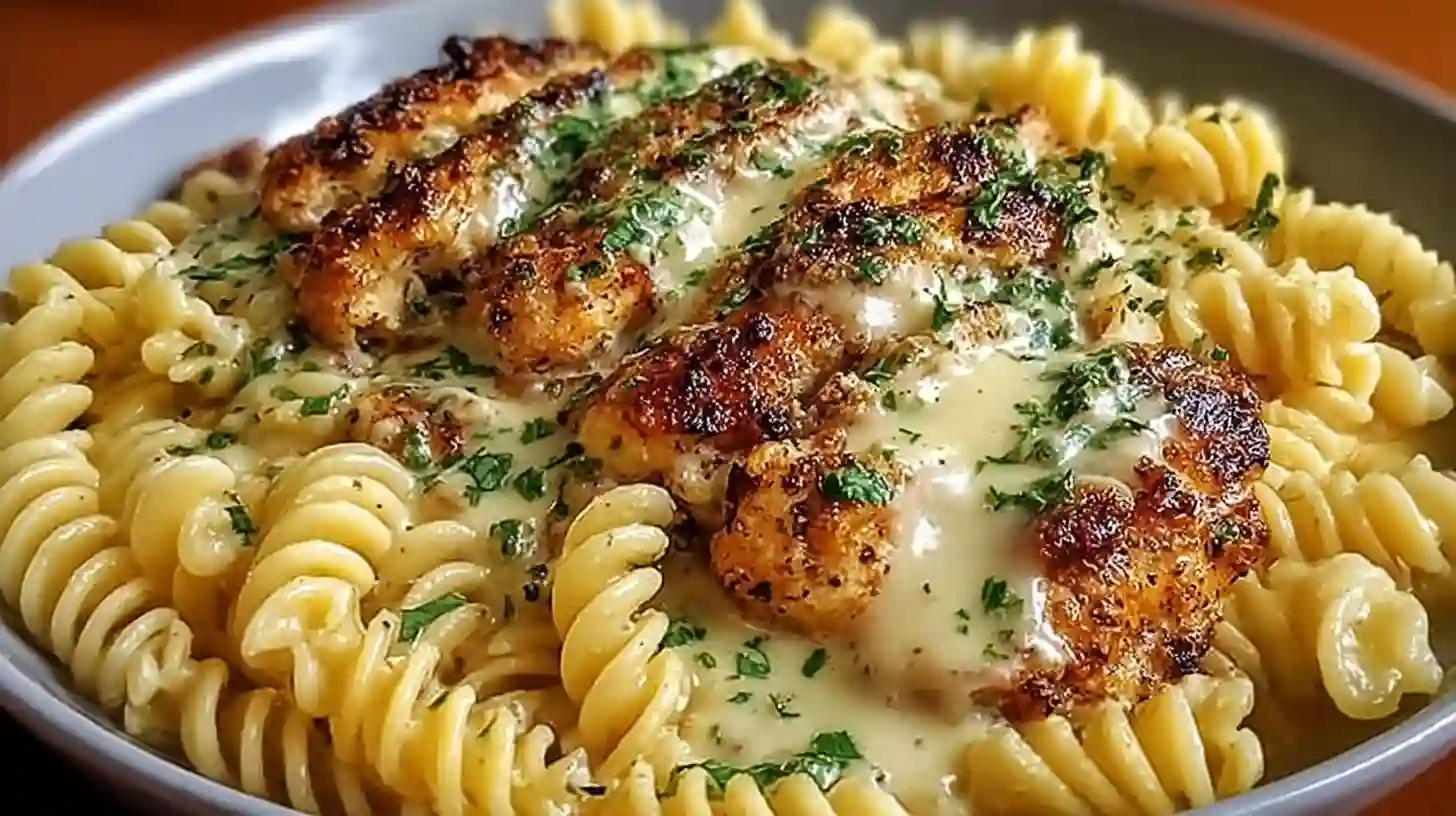
Mastering the art of the Creamy Garlic Butter Chicken and Rotini in Parmesan Sauce requires understanding the delicate balance between lipid emulsion and protein preparation. This guide provides a comprehensive culinary analysis of this comfort food staple, offering a step-by-step methodology to achieve restaurant-quality results at home.
Ideal for weeknight dining yet sophisticated enough for guests, this dish maximizes flavor through the “one-pan” technique, utilizing the Maillard reaction for depth. Below, you will find the precise chemical and culinary principles needed to execute this recipe flawlessly.
Creamy Garlic Butter Chicken and Rotini in Parmesan Sauce

Equipment
- Large Skillet
- Pot
Ingredients
Pasta
- 12 oz rotini pasta cooked al dente
Chicken
- 2 boneless, skinless chicken breasts
Sauce
- 3 tbsp butter divided
- 4 cloves garlic minced
- 1 cup heavy cream
- 1 cup grated Parmesan cheese
- salt and pepper to taste
- chopped parsley for garnish
Instructions
- Cook the rotini pasta according to package instructions until al dente. Drain and set aside.
- Season both sides of the chicken breasts with salt and pepper.
- In a large skillet, melt 1 tablespoon of butter over medium heat. Add the chicken breasts and cook for 6–7 minutes per side, or until golden brown and cooked through. Remove chicken from skillet and set aside to rest.
- In the same skillet, melt the remaining 2 tablespoons of butter. Add minced garlic and sauté for 1–2 minutes until fragrant but not browned.
- Pour in the heavy cream, stirring constantly. Allow it to simmer gently for 3–4 minutes so the sauce starts to thicken.
- Stir in the grated Parmesan cheese until fully melted and smooth. Season the sauce with salt and pepper to taste.
- Slice the cooked chicken into strips or bite-sized pieces.
- Add the drained rotini and sliced chicken back into the skillet. Toss everything gently to coat the pasta and chicken evenly in the creamy Parmesan sauce.
- Remove from heat and garnish with chopped parsley before serving.
Notes
Table of Contents
I still vividly recall the culinary education I received from Madame Claire, my elderly neighbor from Lyon who lived next door during my university years. She did not believe in overcomplicating food, but she was militantly strict about technique.
I remember standing in her small, herb-scented kitchen as she explained that a sauce is not merely a topping, but a binding agent that marries the protein to the starch. “You must respect the fond,” she would say, pointing to the golden bits left in the pan after searing chicken.
It was Madame Claire who taught me that the secret to a velvety creamy garlic butter chicken and rotini in parmesan sauce lies not in the complexity of ingredients, but in the patience of the emulsion.
Today, I apply those rigorous French principles to this distinctly comforting American-style pasta dish, ensuring that every element from the sear of the meat to the al dente bite of the corkscrew pasta is executed with intention and precision.
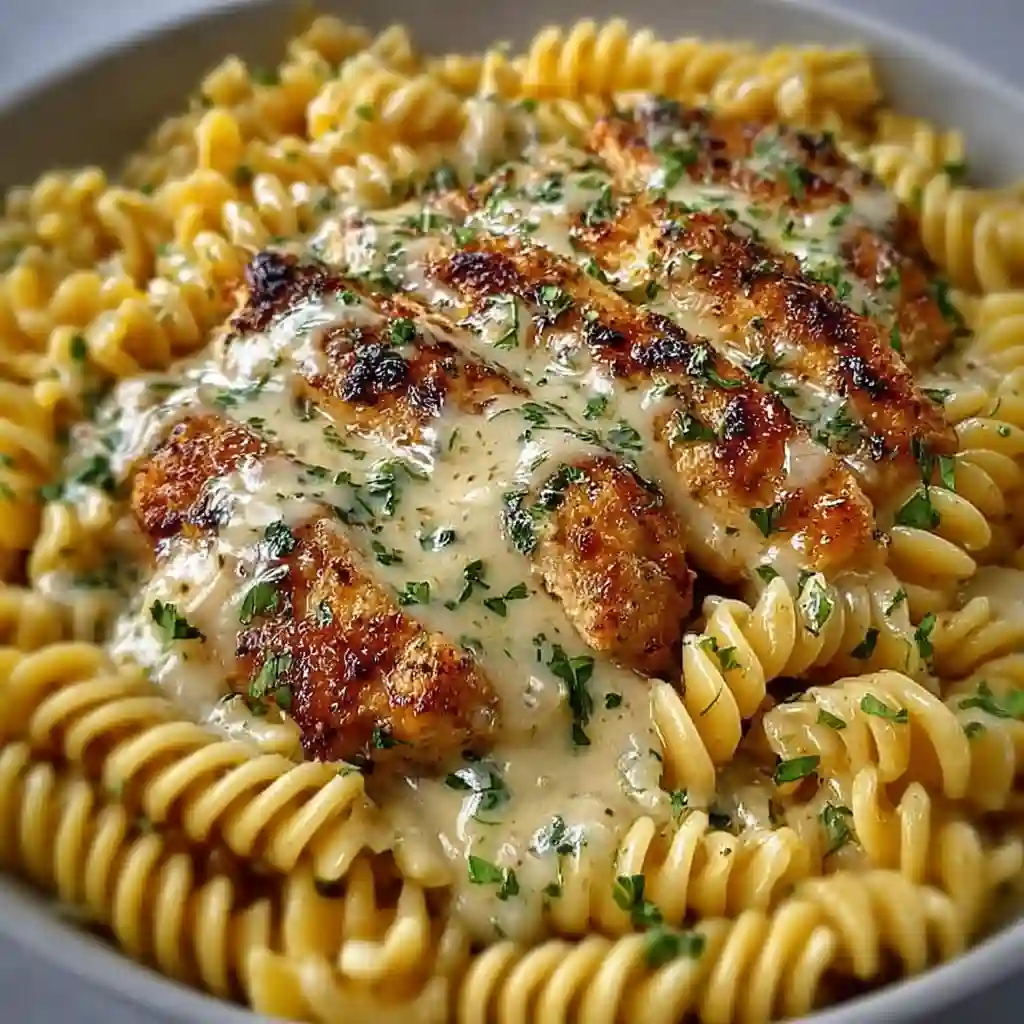
Why This Creamy Garlic Butter Chicken and Rotini in Parmesan Sauce is a Weeknight Winner
The Magic of Comfort Food
There is a distinct psychological satisfaction derived from the consumption of high-quality comfort foods. The combination of complex carbohydrates, lipids, and savory proteins triggers a release of dopamine that few other meals can replicate. In my culinary practice, I have found that the creamy garlic butter chicken and rotini in parmesan sauce recipe stands out because it balances these macronutrients harmoniously. It is not merely about richness; it is about the interplay of textures.
The velvety nature of the sauce coats the palate, while the chicken provides a savory chew that contrasts with the softness of the pasta. This dish hits every crave-worthy note by utilizing the umami depth of parmesan and the aromatic pungency of garlic, creating a flavor profile that is universally appealing yet gastronomically sound.
Why Rotini is the Perfect Shape
When selecting a pasta vessel for a heavy, dairy-based sauce, the structural integrity of the noodle is paramount. I always advocate for rotini in this specific application. The architectural design of the rotini a helix or corkscrew shape provides a significantly higher surface area-to-volume ratio compared to smooth pastas like spaghetti or penne.
This geometry allows the creamy garlic butter rotini to trap the viscous Parmesan sauce within its spirals, ensuring that every single bite delivers a consistent ratio of pasta to sauce. If one were to use a flat noodle, the sauce would likely slide off, leaving a pool of liquid at the bottom of the bowl. Rotini acts as a culinary sponge, maximizing flavor retention.
One-Pan Efficiency
From a practical standpoint, the “one-pan” method is superior not only for the reduction of cleanup but for the preservation of flavor. When I sear the chicken first, I am depositing caramelized proteins known as fond onto the surface of the cookware.
By constructing the sauce in the same vessel, I am able to deglaze these flavorful bits into the liquid, incorporating the essence of the chicken directly into the dairy base. This technique is what elevates a standard easy creamy garlic butter chicken and rotini in parmesan sauce from a simple home meal to a dish with professional depth. It represents efficiency without the sacrifice of quality.
Essential Ingredients for the Perfect Parmesan Sauce
The Protein Foundation: Chicken Breasts vs. Thighs
The choice of protein dictates the moisture content of the final dish. While many prefer the forgiveness of dark meat, I find that chicken breasts, when prepared correctly, offer a cleaner flavor profile that cuts through the richness of the heavy cream. However, the margin for error with breast meat is slim.
To ensure the garlic butter chicken bites with creamy parmesan pasta recipe remains tender, I always recommend pounding the breasts to an even thickness before searing. This ensures uniform heat distribution. Conversely, if one prefers a more robust flavor and higher fat content, thighs are an acceptable substitute, though they may render more grease into the sauce which will require skimming.
The Dairy Trio
- Heavy Cream vs. Milk: In my experience, there is no substitute for heavy cream in this application. Milk, lacking sufficient fat content, is prone to curdling when exposed to high heat and acidic ingredients like garlic or cheese. Heavy cream, with a fat content of at least 36%, stabilizes the emulsion, resulting in the silky texture characteristic of a high-end creamy garlic butter parmesan sauce.
- Butter Selection: I strictly utilize unsalted butter. This gives me complete control over the sodium levels of the dish. A garlic butter base made with salted butter can quickly become unpalatable once the salty Parmesan cheese is introduced.
- Parmesan Quality: This is the most critical variable. You must purchase a block of Parmesan cheese, preferably Parmigiano-Reggiano, and grate it yourself. Pre-grated cheeses are coated in cellulose and other anti-caking agents to prevent clumping in the bag. These agents prevent the cheese from melting properly, leading to a gritty, grainy sauce that ruins the creamy garlic butter chicken and rotini in parmesan sauce recipe.
Aromatics and Seasonings
- Fresh Garlic vs. Powder: I employ a dual-layering technique for garlic. Fresh minced garlic provides the immediate, pungent aromatic punch that hits the nose first. However, I also include a small amount of granulated garlic powder to provide a savory background note that permeates the cream.
- Fresh Herbs: The inclusion of fresh parsley or basil is not merely aesthetic; the chlorophyll and herbal brightness are necessary to cut through the lipid density of the sauce.
Kitchen Tools for Success
The Right Skillet
To execute this dish, heat retention is vital. I recommend using a large, heavy-bottomed stainless steel skillet or an enameled cast-iron braiser.
These materials conduct heat evenly, allowing for a hard sear on the chicken without scorching the butter during the sauce phase. A thin, non-stick pan often fluctuates in temperature too rapidly, which can break the emulsion of the creamy garlic butter pasta with chicken.
Cheese Grater
As mentioned, the quality of the grate determines the melt. A microplane is my tool of choice for the Parmesan.
It creates light, airy clouds of cheese that dissolve almost instantly upon contact with the hot cream. A box grater can result in shreds that are too thick, requiring longer heat exposure to melt, which risks separating the oils in the sauce.
Tongs and Whisks
You will need a sturdy pair of silicone-tipped tongs for flipping the chicken and tossing the pasta without damaging its structure. Furthermore, a flat whisk is essential for deglazing the pan and emulsifying the cream and broth. Proper agitation is key to creating a stable creamy garlic butter parmesan chicken recipe.
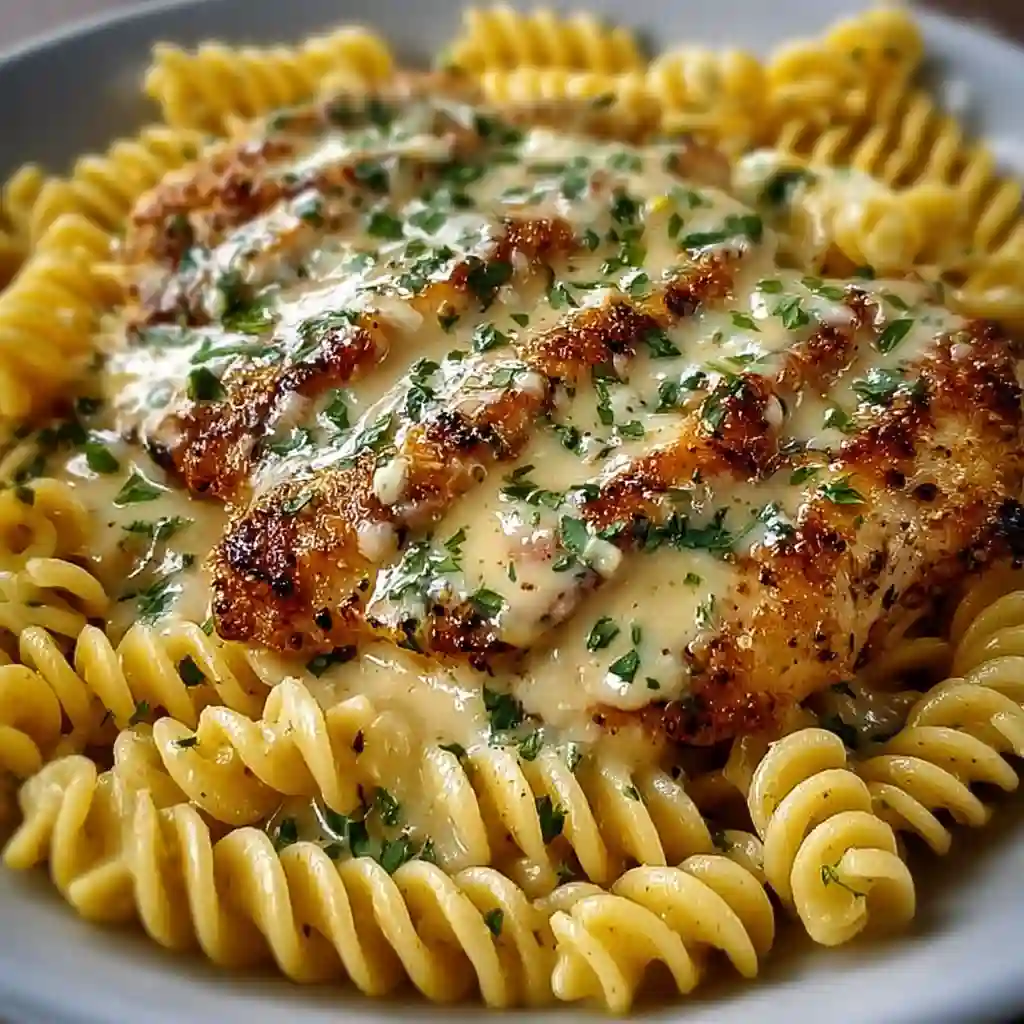
Step-by-Step: Making Creamy Garlic Butter Chicken and Rotini in Parmesan Sauce
Step 1: The Perfect Sear
I begin by patting the chicken breasts thoroughly dry with paper towels. Moisture is the enemy of the Maillard reaction; if the chicken is wet, it will steam rather than sear. After seasoning generously, I place the chicken in the hot skillet with butter.
I do not touch it for at least 5 minutes. This patience allows a golden-brown crust to form. I cook the chicken until it reaches an internal temperature of exactly 165°F, then remove it to rest. This resting period allows the juices to redistribute, ensuring the garlic chicken rotini pasta is topped with moist, tender meat.
Step 2: Cooking the Pasta
While the chicken sears, I bring a large pot of salted water to a rolling boil. I cook the rotini to al dente usually one minute less than the package instructions. The pasta will finish cooking later in the sauce.
Crucially, before draining, I reserve one cup of the starchy cooking water. This “liquid gold” is laden with wheat starch and is the secret weapon for adjusting the consistency of the creamy garlic butter chicken and rotini pasta in parmesan sauce.
Step 3: Building the Base
Reducing the heat to medium-low, I add the remaining butter to the skillet containing the chicken fond. I add the minced garlic, sautéing it for only 30 to 60 seconds. One must be vigilant here; burnt garlic becomes acrid and bitter. I sauté just until the aroma fills the kitchen, indicating the release of essential oils.
Step 4: The Emulsification
I deglaze the pan with chicken broth (or a suitable broth alternative), scraping up the browned bits with my whisk. Then, I slowly pour in the heavy cream in a steady stream while whisking. This gradual incorporation helps form a stable emulsion. I allow this mixture to simmer gently never a hard boil until it reduces slightly. This reduction concentrates the flavors for the creamy garlic butter noodles recipe.
Step 5: The Melt
I remove the pan from the direct heat source before adding the cheese. This is a technique often overlooked. High heat causes proteins in the cheese to tighten and fats to separate. By stirring the freshly grated Parmesan into the hot (but not boiling) liquid, I ensure a smooth, velvety texture.
Step 6: The Toss
Finally, I introduce the cooked rotini and the sliced chicken back into the skillet. I toss everything together gently, allowing the pasta to simmer in the sauce for 1 to 2 minutes. The starch on the pasta helps thicken the sauce further, and the rotini absorbs the flavors of the creamy garlic butter parmesan sauce.
Mastering the Sauce: Troubleshooting Common Issues
Fixing a Broken Sauce
Occasionally, despite our best efforts, the sauce may “break,” meaning the butterfat separates from the liquid, resulting in an oily appearance.
If this occurs while making your Garlic Butter Cream Sauce, do not panic. I have found that adding a tablespoon of the reserved hot pasta water and whisking vigorously can re-emulsify the mixture. The starch in the water acts as a stabilizer, pulling the fat and water back together into a cohesive whole.
Rescuing Grainy Texture
A grainy sauce is almost always the result of excessive heat or pre-grated cheese. If you used freshly grated cheese and it still looks grainy, the heat was likely too high. To rescue this, remove the pan from the heat immediately.
Stir in a splash of cold heavy cream. This drops the temperature rapidly and can sometimes smooth out the proteins. This technique can save your creamy garlic butter chicken and rotini in parmesan sauce ingredients from being wasted.
Adjusting Thickness
Culinary environments vary, and humidity can affect evaporation rates. If the sauce is too thick and gluey, utilize the reserved pasta water, adding it in small increments until the desired consistency is reached. Conversely, if the sauce is too thin, simply allow it to simmer for a few more minutes to reduce, or stir in a pinch more parmesan. This adaptability is key to a successful Creamy Baked Chicken dish or stovetop pasta.
Part 6: Variations of Creamy Garlic Butter Chicken and Rotini
Vegetable Add-Ins
To transform this into a nutritionally balanced meal, I often incorporate vegetables. Spinach is an excellent addition; I stir fresh spinach leaves into the sauce right before adding the pasta, allowing the residual heat to wilt them. Sun-dried tomatoes can also be added to create a rustic, Tuscan profile. These additions work seamlessly with the creamy garlic butter rotini.
Spice It Up
For those who enjoy a piquancy to contrast the dairy, adding spices is an excellent modification. While my primary recipe focuses on traditional flavors, I have experimented with a spicy garlic chicken linguine with creamy cajun cheese sauce variation.
By adding Cajun spices and red pepper flakes to the garlic butter base, you introduce a heat that cuts through the fat. Even if you stick to rotini, these spices can elevate the garlic chicken bites with creamy cheesy rotini to a new level of complexity.
Pasta Swaps
If rotini is unavailable, one must choose a substitute that holds sauce well.
- Best Substitutes: Penne, Cavatappi, or Fusilli.
- Alternative Styles: While less traditional for this specific chunkier sauce, long noodles can work. A spicy cajun chicken linguine in creamy garlic parmesan sauce is a viable alternative if you prefer the texture of long strands, though you may need to reduce the sauce slightly more to ensure it clings.
Baking It
This recipe can easily be converted into a casserole. After tossing the pasta and chicken in the sauce, transfer the mixture to a baking dish, top with mozzarella, and bake until bubbly. This method bridges the gap between a stovetop sauté and a Best Butter Chicken Recipe style baked casserole.
What to Serve with Creamy Garlic Butter Chicken Pasta
Acidic Sides
Because this dish is calorically dense and rich in lipids, it requires an acidic counterpoint on the plate. I invariably serve this with a sharp arugula salad dressed in a lemon vinaigrette. The peppery bite of the arugula and the acid of the lemon cleanse the palate between bites of the Homemade Butter Chicken style pasta.
Bread
To ensure no sauce is left behind, a crusty baguette or homemade garlic bread is essential. It serves as a utilitarian tool to “mop up” the remaining Garlic Butter Chicken Breast juices and Parmesan cream.
Roasted Vegetables
For a heartier side, roasted asparagus or Brussels sprouts tossed in balsamic vinegar provide both texture and a necessary bitterness that complements the sweet creaminess of the Butter Chicken Sauce Recipe.
Storing, Freezing, and Reheating Guide
Fridge Life
This dish stores reasonably well in an airtight container in the refrigerator for 3 to 4 days. However, you will notice the sauce thickens significantly as it cools. This is normal for any Creamy Herb Chicken or pasta dish containing high amounts of saturated fat.
The Reheating Problem
One must never reheat this dish in a microwave on high power; the sauce will separate instantly. I recommend reheating it on the stovetop over low heat. You must add a splash of water, broth, or milk to the pan to loosen the sauce. Stir gently and constantly until the Easy Creamy Chicken Recipes are restored to their former glory.
Freezing Verdict
I generally advise against freezing dairy-heavy sauces. The freezing process causes the fat globules to crystallize and rupture, leading to a watery, separated texture upon thawing. If you must freeze it, do so, but be prepared to add fresh cream and cheese upon reheating to re-stabilize the emulsion. This applies to any Garlic Butter Chicken Pasta stored for long durations.
More easy Recipes To Try!
Frequently Asked Questions (PAA)
Can I use milk instead of heavy cream for the sauce?
While you can, I do not recommend it for the best results. If you must use milk to lower the calories in your Creamy Garlic Chicken Recipes, you will need to create a roux (a mixture of butter and flour) first to thicken the milk, as it will not reduce and thicken on its own like cream.
What can I use if I don’t have rotini?
As discussed, shape matters. However, any pasta with ridges or holes works. Rotini Pasta Recipes are interchangeable with Penne Rigate or Rigatoni. The goal is to maximize sauce adherence.
How do I keep my Parmesan sauce from getting clumpy?
Clumping is a temperature issue. Ensure your Steak Bites Recipe or chicken pasta sauce is not boiling when you add the cheese. Remove from heat, add cheese gradually, and whisk constantly.
Is this recipe gluten-free friendly?
Yes, it can be adapted easily. The sauce itself relies on reduction rather than flour for thickness. Simply substitute the pasta for a certified gluten-free variety and ensure your chicken broth is gluten-free. This allows those with sensitivities to enjoy Creamy Chicken Recipes.
Can I make this in a slow cooker?
Yes, search for a creamy garlic butter chicken and rotini in parmesan sauce crockpot variation. Typically, you would cook the chicken and sauce base in the slow cooker and add the cooked pasta at the very end to prevent it from becoming mushy.
To conclude, whether you are looking for Butter Pasta for the kids or sophisticated Pasta Dinner Recipes for a date night, this dish delivers. The combination of Garlic Butter Chicken and perfectly cooked carbohydrates is timeless.
I encourage you to try this Tasty Pasta dish; it is far superior to any store-bought sauce. Even a simple Baked Chicken Breast can be elevated with this technique. I hope this guide helps you master one of my favorite Chicken Dishes Recipes. Bon appétit!