
delicate flavors, but some of the most profound culinary innovations happen in humble home kitchens.
I recall my neighbor, Madame Giroux, a French expat living in Philadelphia, who once told me that the soul of cooking lies in the marriage of unlikely partners.
She would often combine her traditional European techniques with the boisterous, savory ingredients of her adopted American city, creating dishes that felt both familiar and revolutionary.
It was in her spirit that I first encountered the idea of blending Italian pasta with the iconic flavors of a cheesesteak.
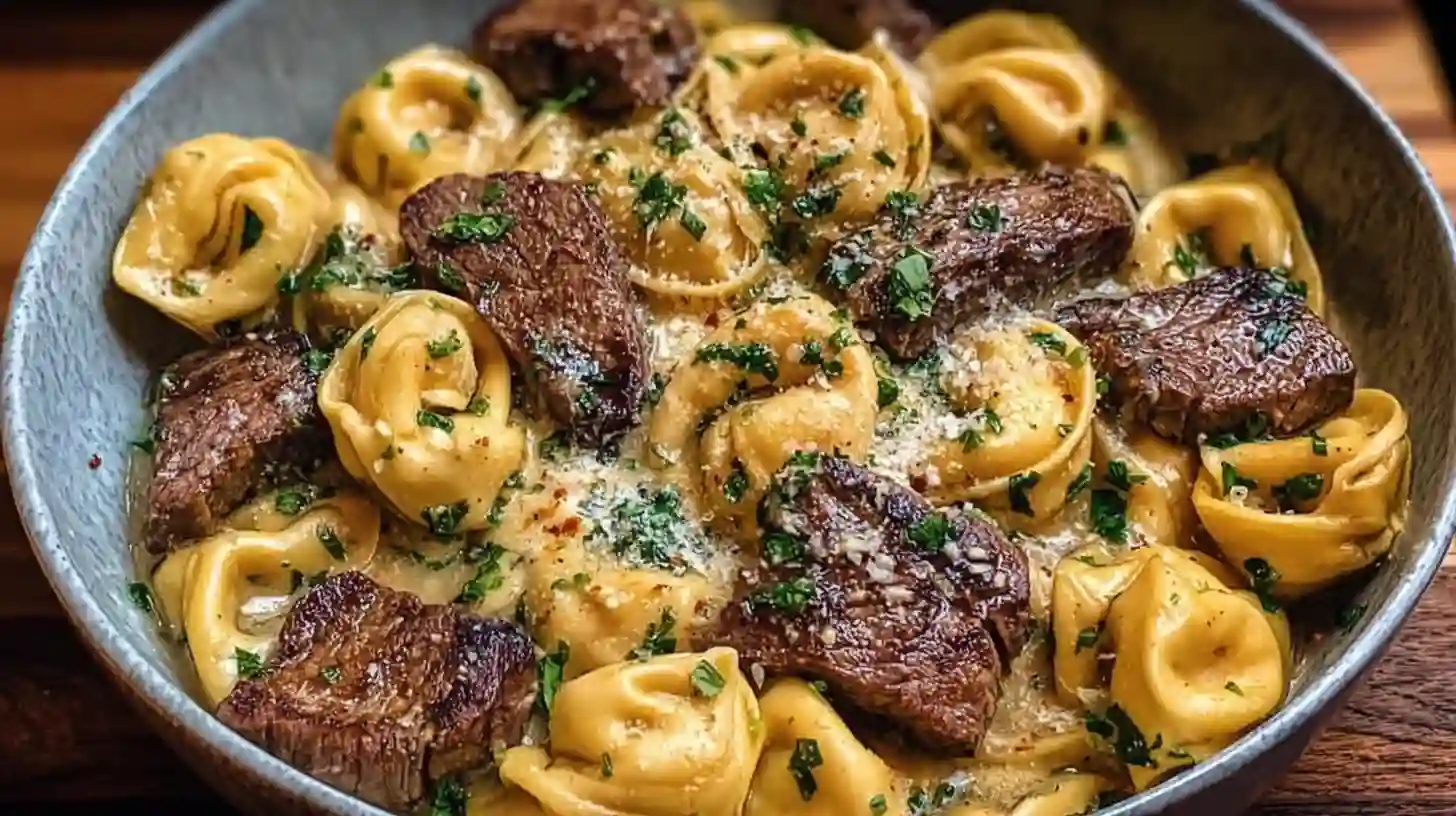
This Cheesy Philly Steak Tortellini Skillet is not merely dinner; it is a testament to that philosophy of comfort and cross-cultural appreciation.
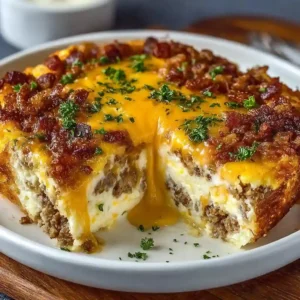
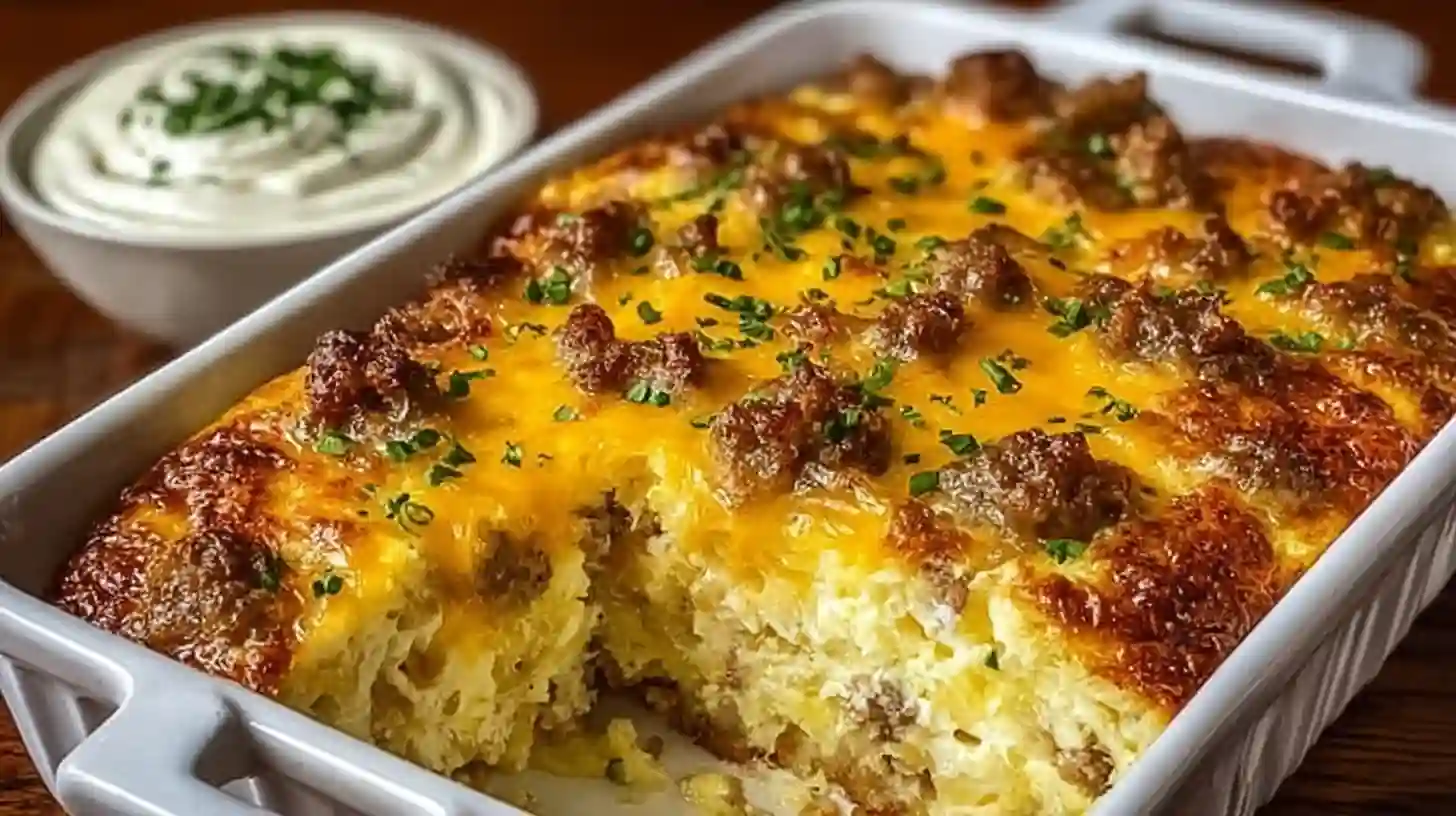
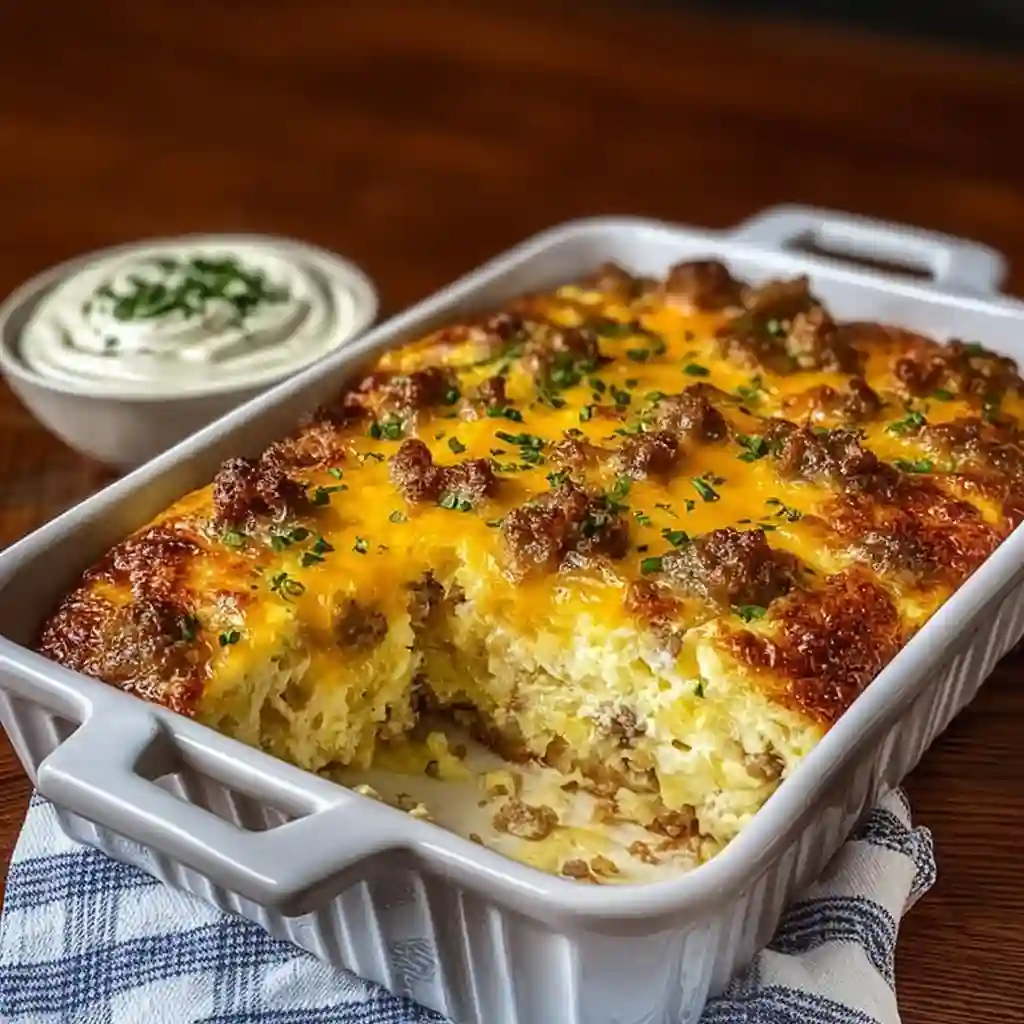
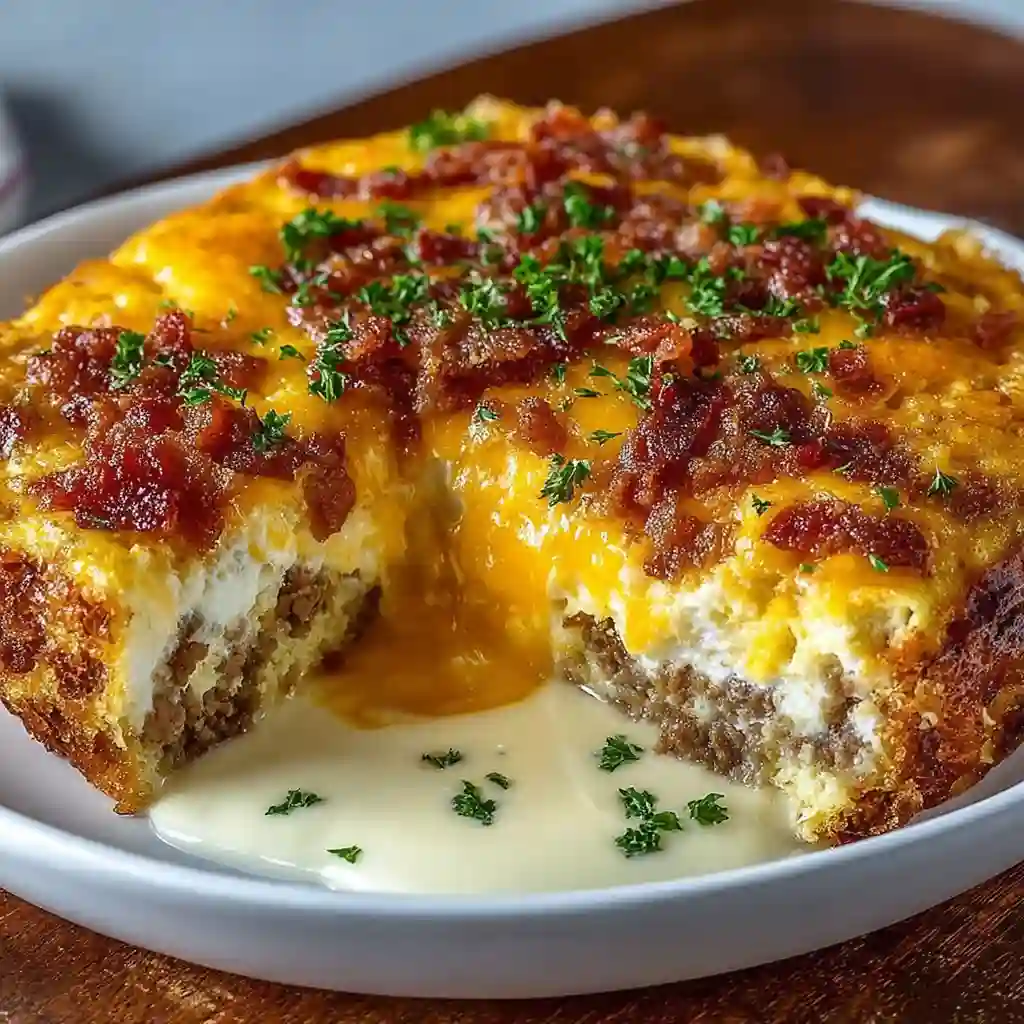
Crack Breakfast Casserole

Equipment
- 9×13-inch casserole dish
- Skillet
- Mixing bowl
- Spatula
Ingredients
Crack Breakfast Casserole Ingredients
- 1 lb breakfast sausage cooked and crumbled
- 8 large eggs beaten
- 1 cup heavy cream room temperature
- 1 cup shredded cheddar cheese freshly shredded
- 1 cup shredded mozzarella cheese
- 4 oz cream cheese softened
- 1/2 tsp salt
- 1/2 tsp garlic powder
- 1/2 tsp onion powder
- 1/4 tsp black pepper
- 2 cups frozen hash browns thawed and drained
- 1 tbsp fresh parsley chopped (optional garnish)
Instructions
- Preheat the oven to 350°F (175°C) and grease a 9×13-inch casserole dish with butter or nonstick spray.
- In a skillet over medium heat, cook the breakfast sausage, breaking it up with a spoon, until browned and cooked through. Drain excess fat and let cool slightly.
- In a large mixing bowl, whisk together the eggs and heavy cream until smooth. Add the softened cream cheese and whisk until mostly combined.
- Stir in the salt, garlic powder, onion powder, and black pepper to the egg mixture.
- Add the cooked sausage, cheddar cheese, mozzarella, and thawed hash browns to the egg mixture, folding gently until evenly combined.
- Pour the mixture into the prepared casserole dish and spread into an even layer.
- Bake uncovered for about 45 minutes until the center is set and the top is golden brown and bubbly.
- Remove from the oven and let the casserole cool for 5–10 minutes to set. Garnish with fresh parsley if desired and serve warm.
Notes
Table of Contents
Why This Skillet Dinner Is the Perfect Weeknight Hero
The modern home cook faces a perpetual dilemma: the desire for gourmet, restaurant-quality flavor versus the reality of limited time and energy.
This dish resolves that conflict by delivering complex tastes without the logistical nightmare of a multi-course preparation.
It is a meal that respects your schedule while refusing to compromise on the depth of the dining experience.
The Fusion of Two Classics: Italian Pasta Meets American Street Food
When we discuss “comfort food mashups,” we are often looking for textures that complement one another rather than compete.
The creamy, tender nature of cheese tortellini serves as the perfect vessel for the robust, umami-laden components of a Philly cheesesteak.
It is a philly cheesesteak recette reimagined for the pasta lover.
Imagine the sensory appeal: ribbons of ribeye steak, seared to perfection, mingling with the sweetness of sautéed onions and the crunch of bell peppers.
These elements are then enveloped in a rich, velvety provolone sauce that clings to every curve of the pillowy pasta.
This creates a savory cheesesteak tortellini experience that is far superior to standard meat-and-pasta dishes.
It is the culinary equivalent of a warm embrace, offering the satisfaction of a sandwich with the heartiness of a pasta bake.
The Magic of the One-Pot Meal
There is an undeniable elegance in the one-pot meal. It suggests a mastery of timing and heat control.
By cooking the simple cheesy philly steak tortellini skillet in a single vessel, we allow the flavors to build upon one another in layers.
The fond left behind by the searing steak seasons the vegetables; the starch released by the pasta thickens the sauce naturally.
This method minimizes cleanup, a practical benefit that cannot be overstated for busy families.
Whether you are preparing dinner for 9 people or a sunday dinner for 2, the skillet format scales beautifully.
It is versatile enough for casual weeknight eating yet impressive enough for an easy anniversary dinner at home.
Selecting the Best Ingredients for Philly Style Flavor
Sourcing High-Quality Components for Your Skillet
The distinction between a good dish and a great one almost always comes down to the integrity of the raw ingredients.
For a cheesy philly steak tortellini skillet recipe that truly sings, one must be discerning in the meat aisle.
Cheap cuts will yield a chewy, unsatisfying texture that distracts from the creamy pasta.
Therefore, understanding the anatomy of the cow and the impact of marbling is essential for this recipe.
Choosing the Right Cut: Ribeye vs. Sirloin vs. Flank
For the most authentic flavor profile, Ribeye is the gold standard.
Its high fat content renders down during the searing process, basting the meat from the inside out and providing that signature richness associated with #phillycheesesteak.
However, Ribeye can be pricey. If you are looking for simple cheap dinner ideas, there are alternatives.
Top Sirloin offers a robust beefy flavor but is leaner, meaning it requires a quicker sear to remain tender.
Flank steak is another option, though it must be sliced against the grain to avoid toughness.
In recent years, I have also experimented with “shaved steak” often found in the frozen section for easy hotel meals or quick dinners.
While convenient, ensure it is 100% beef with no additives to maintain the integrity of your steak and cheese tortellini.
Avoid stew meat or roast cuts, as they require long braising times that do not suit this fast skillet method.
Tortellini Types: Fresh, Frozen, or Dried?
The choice of pasta is equally critical. I strongly advocate for fresh, refrigerated tortellini found in the deli section.
It cooks in minutes and maintains a delicate “al dente” bite that frozen or dried varieties often lack.
Frozen tortellini can be used in a pinch for cheap tortellini recipes, but be wary of excess moisture which can water down your sauce.
Regarding the filling, a classic three-cheese blend (usually ricotta, parmesan, and romano) is the most versatile.
It acts as a neutral creamy base that absorbs the cheese sauce for philly steak without clashing with the beef.
Avoid spinach or mushroom fillings unless you specifically want those flavor profiles to compete with the peppers and onions.
Meat-filled tortellini can make the dish too heavy, turning a balanced meal into a “meat on meat” situation.
The Cheese Factor: Provolone, Mozzarella, and Cream Cheese
The sauce is the binding agent of this dish, and its chemistry must be perfect.
Provolone is non-negotiable for that authentic “Philly” taste; its sharpness cuts through the rich fat of the steak.
I prefer aged provolone for a more pronounced flavor profile in my cheesy beef tortellini skillet.
However, provolone alone does not melt into a creamy sauce easily; it tends to become stringy.
This is where the addition of cream cheese and a touch of mozzarella comes into play.
The cream cheese provides stabilizers and emulsifiers that create a smooth, velvety texture, crucial for creamy steak tortellini recipes.
Mozzarella adds the classic “cheese pull” and mild milkiness that balances the sharp provolone.
Together, they form a provolone sauce for philly cheese steak that is luxuriously thick and coating.
Essential Equipment and Prep Techniques
Preparing Your Kitchen for Skillet Success
Before a single ingredient hits the heat, your workspace must be optimized for efficiency.
Cooking is a game of thermodynamics, and the vessel you choose dictates how heat is transferred to your food.
For this specific recipe, the choice of pan is the single most important equipment decision you will make.
The Importance of the Right Pan
I find myself constantly debating the merits of Cast Iron versus Stainless Steel.
For a philly steak skillet, a 12-inch cast iron skillet is the superior choice.
Its high thermal mass allows it to maintain temperature even when cold steak is added, ensuring a proper sear rather than a steam.
This is essential for developing the Maillard reaction the browning that equals flavor.
Non-stick pans, while easy to clean, often cannot withstand the high heat required for browning beef effectively.
If you are cooking large dinner meals, a deep sauté pan or a Dutch oven can also work to contain the volume of pasta.
However, nothing beats the rustic presentation and heat retention of cast iron for simple cheesy philly steak tortellini skillet.
Mastering the “Philly Shave”: How to Slice Steak Thinly
The texture of the meat can make or break this dish.
Thick chunks of steak are chewy and difficult to eat with soft pasta; you want the meat to melt in your mouth.
To achieve this, you need to master the “Philly Shave.”
My top technical tip is to place your steak in the freezer for 30 to 45 minutes before slicing.
This firms up the fat and muscle fibers, allowing you to slice the meat paper-thin without it squishing under the knife.
Using a very sharp chef’s knife, slice against the grain perpendicular to the direction the muscle fibers run.
This shortens the fibers, ensuring that even tougher cuts like flank steak become tender in your cheesy beef pasta skillet.
Always practice safe knife skills: curl your fingers under (the “claw” grip) to protect your fingertips while slicing.
Keep your cutting board stable by placing a damp paper towel underneath it.
Proper preparation here ensures that your easy cheesy philly steak tortellini skillet cooks evenly and quickly.
Step-by-Step Cooking Guide
How to Execute the Perfect Cheesy Philly Steak Tortellini Skillet
The execution of this dish is a ballet of timing.
We start by building the flavor foundation with the proteins and aromatics.
Heat your oil in the skillet until it shimmers, signaling it is ready for the beef.
Searing the Steak and Veggies for Maximum Caramelization
Do not crowd the pan. This is the golden rule of searing.
If you add all the steak at once, the temperature drops, moisture releases, and you end up boiling your meat in grey liquid.
Sear the steak in batches to ensure maximum caramelization, creating those delicious brown bits on the bottom of the pan.
Once the steak is browned, remove it and add your vegetables: sliced onions and green bell peppers.
Cook them in the rendered beef fat for added flavor depth.
You are aiming for the “holy trinity” of texture: soft enough to bite through, but retaining enough structure to not be mushy.
Add minced garlic only in the last minute of cooking the vegetables to prevent it from becoming bitter and burnt.
This aromatic base is the heart of any philly cheese tortellini dish.
Building the Creamy Provolone Sauce
With the vegetables softened, it is time to construct the sauce directly in the pan.
Deglaze the skillet with beef broth, scraping up the “fond” (the browned bits) with a wooden spoon.
This is where the deep, savory flavor of the sauce cheesy originates.
Reduce the heat to low before adding your dairy to prevent curdling.
Whisk in heavy cream and softened cream cheese until the mixture is smooth and uniform.
Slowly add the shredded provolone and mozzarella, stirring constantly in a figure-eight motion.
The goal is a stable emulsion. If the heat is too high, the oils will separate, resulting in a greasy sauce.
For those watching sodium, taste the sauce before adding salt, as the broth and cheese add significant salinity.
This sauce cheezy base should be thick enough to coat the back of a spoon.
Simmering the Tortellini to Al Dente Perfection
Now, add the uncooked fresh tortellini directly into the simmering sauce.
Cover the skillet to trap the steam, which helps cook the top of the pasta while the bottom simmers.
This technique allows the pasta to absorb the savory liquid, making it infinitely more flavorful than boiling in water.
Check the pasta after about 3 to 5 minutes; fresh tortellini cooks rapidly.
You are looking for an al dente texture firm to the bite, not gummy.
Return the cooked steak to the pan, tossing everything gently to combine and reheat the meat.
Final seasoning is crucial: a splash of Worcestershire sauce adds acidity and umami.
Taste and adjust with salt, freshly cracked black pepper, and perhaps red pepper flakes for heat.
If the sauce becomes too thick, a splash of pasta water or extra broth brings it back to the perfect consistency.
Your cheesy philly steak tortellini skillet recipe is now ready to impress.
Variations and Dietary Modifications
Customizing Your Cheesy Philly Steak Tortellini Skillet
One of the joys of home cooking is the ability to adapt recipes to your pantry and palate.
While the classic recipe is divine, there is room for experimentation.
This dish is robust enough to handle various substitutions without losing its soul.
Lighter Alternatives and Protein Swaps
For a lighter version, or if red meat is not on the menu, chicken is an excellent substitute.
Thinly sliced chicken breast or thighs can replace the steak, creating a “Chicken Philly” variation.
You can also use ground beef for a budget-friendly philly cheesesteak tortellini with hamburger version.
This mimics the nostalgic “Hamburger Helper” style but with fresh, wholesome ingredients.
To reduce the calorie density of the sauce, you can substitute half-and-half or evaporated milk for the heavy cream.
Be aware that the sauce may be slightly thinner, so you might need a cornstarch slurry to achieve the desired thickness.
I have seen variations like philly cheesesteak tortellini with cream cheese used as the sole thickener to great effect.
Adding spinach or kale at the end wilts down beautifully, adding nutrition and color to a cheesy philly steak tortellini skillet with spinach.
Gluten-Free and Low-Carb Options
Dietary restrictions should not preclude anyone from enjoying this comfort food.
Many brands now offer high-quality gluten-free tortellini, often found in the freezer aisle.
Alternatively, you could substitute the pasta with gluten-free gnocchi for a different textural experience.
For a low-carb or Keto approach, the pasta can be removed entirely.
Replace the tortellini with cauliflower florets or zucchini noodles for a golden cheesesteak tortellini casserole feel without the carbs.
Cooking the cauliflower in the cheese sauce makes it tender and flavorful.
If you own an outdoor griddle, adapting this to a philly cheesesteak tortellini blackstone recipe creates incredible smokey flavors.
This versatility makes it a staple for varied dietary needs.
Serving, Storage, and Reheating
Best Practices for Leftovers and Presentation
We eat with our eyes first, so presentation matters even for rustic skillet meals.
Sprinkle chopped fresh parsley or green onions over the top for a pop of color before serving.
Serve the skillet directly on the table (on a trivet) for a communal dining experience.
What to Serve with this Rich Pasta Dish
Because this dish is incredibly rich and savory, it requires acidic or crisp sides for balance.
A sharp Caesar salad or a simple arugula salad with lemon vinaigrette cuts through the heavy dairy.
Garlic bread is a classic accompaniment, perfect for mopping up any remaining steak cheddar sauce.
For dinner ideas cheap and easy, simple steamed broccoli or green beans work wonders.
This ensures the palate doesn’t get fatigued by the richness of the philly cheesesteak pasta skillet.
Reheating Without Separation
Cream-based sauces are notorious for breaking when reheated.
Avoid the microwave if possible, as the high heat will turn the oil and solids into a greasy mess.
Instead, reheat leftovers on the stovetop over low heat.
Add a splash of milk or broth to the pan to loosen the sauce and restore its creamy consistency.
Stir gently until heated through.
If you have made a cheesesteak tortellini crockpot version, leftovers can be reheated on the warm setting.
Proper storage in an airtight container will keep this dish fresh for up to 3 days.
Whether it is a philly cheesesteak cheesy bread side or the pasta itself, gentle heat is key.
More easy Recipes To Try!
Chocolate Covered Strawberry Brownies
Frequently Asked Questions
What is the best cut of beef for Philly cheesesteak pasta?
As mentioned, Ribeye is the premier choice for flavor and tenderness due to marbling.
However, Top Sirloin or high-quality shaved steak are excellent, budget-friendly alternatives.
Can I use frozen tortellini instead of fresh for this recipe?
Yes, you can use frozen tortellini.
However, you may need to add a few extra minutes to the simmering time.
Ensure you do not overcook them, as frozen pasta can sometimes become mushy faster than fresh.
How do I thicken the cheese sauce if it’s too runny?
If your sauce is too thin, let it simmer uncovered for a few extra minutes to reduce.
Alternatively, mix a teaspoon of cornstarch with cold water and stir it into the bubbling sauce.
The starch from the pasta will also help thicken it as it stands.
Can I make Philly cheesesteak tortellini in a slow cooker?
Absolutely. Brown your meat and veggies first, then add them to the slow cooker with broth and cream cheese.
Add the tortellini only in the last 30 minutes of cooking to prevent them from disintegrating.
This method works well for simple cheap dinner ideas that need to be ready when you get home.