
I remember watching my Aunt Maria cook when I was a child. Her kitchen was always chaotic, yet out of that whirlwind of activity came the most incredible meals. One thing she swore by, especially on busy Tuesday nights, was her trusty cast iron pan.
“One pan, less mess, more flavor,” she would say, tapping the heavy black metal with a wooden spoon. That philosophy has stuck with me. In today’s fast-paced world, finding easy weeknight dinners that don’t leave you with a sink full of dishes is like striking gold.
The popularity of skillet meals has skyrocketed for good reason. They allow flavors to meld beautifully; the juices from the meat season the vegetables, and everything stays hot until the moment it hits the plate. It’s efficient, practical, and honestly, just makes life easier.
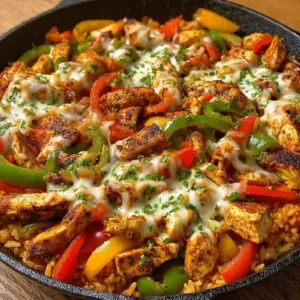
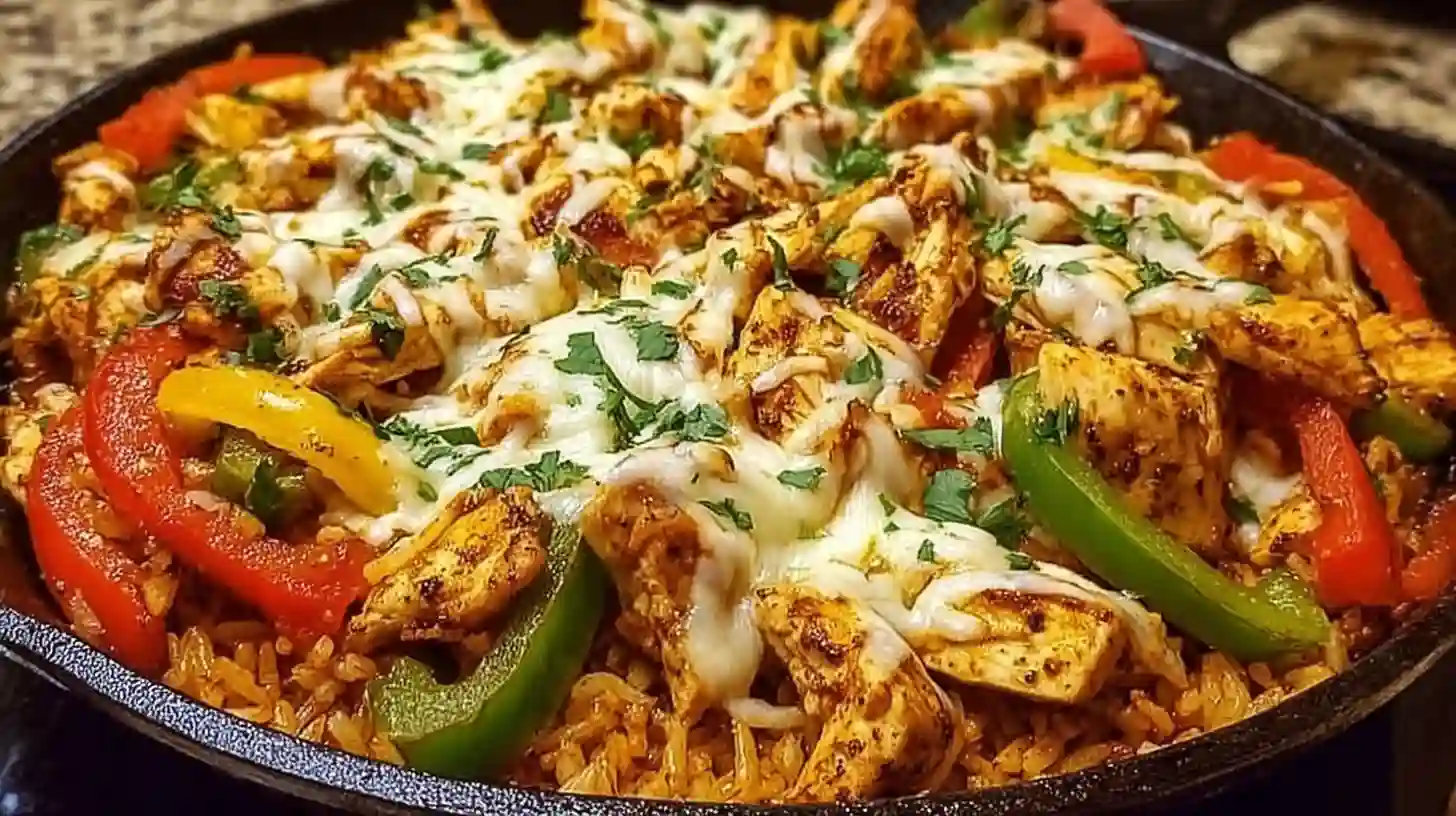
Cheese Chicken Fajita Skillet

Equipment
- Large Skillet
- Mixing Spoon
- Lid or Foil
- Knife
- Cutting Board
Ingredients
Main Ingredients
- 3 boneless, skinless chicken breasts diced into 1-inch pieces
- 2 tbsp olive oil for sautéing
- 1/2 yellow onion diced
- 1 red bell pepper sliced into strips
- 1 green bell pepper sliced into strips
- 1 orange bell pepper sliced into strips
- 1 packet fajita seasoning about 1 ounce or 2 tablespoons
- 2 cups Minute rice uncooked
- 2 cups chicken broth hot or room temperature
- 8 oz tomato sauce room temperature
- Gordos cheese dip as desired for topping
Instructions
- Heat olive oil in a large skillet over medium-high heat. Add diced onion and all bell pepper strips. Sauté for 2–3 minutes until peppers begin to soften.
- Add diced chicken to the skillet and sprinkle fajita seasoning over everything. Cook for 7–8 minutes, stirring often, until chicken is fully cooked and browned.
- Stir in Minute rice, tomato sauce, and chicken broth. Mix thoroughly and bring to a gentle simmer, scraping any browned bits from the bottom.
- Simmer for 2 minutes, then turn off the heat. Cover with a lid or foil and let rest for 5–7 minutes so the rice absorbs the liquid.
- Remove lid, fluff rice with a fork, and spoon warmed Gordos cheese dip over the hot skillet before serving.
Notes
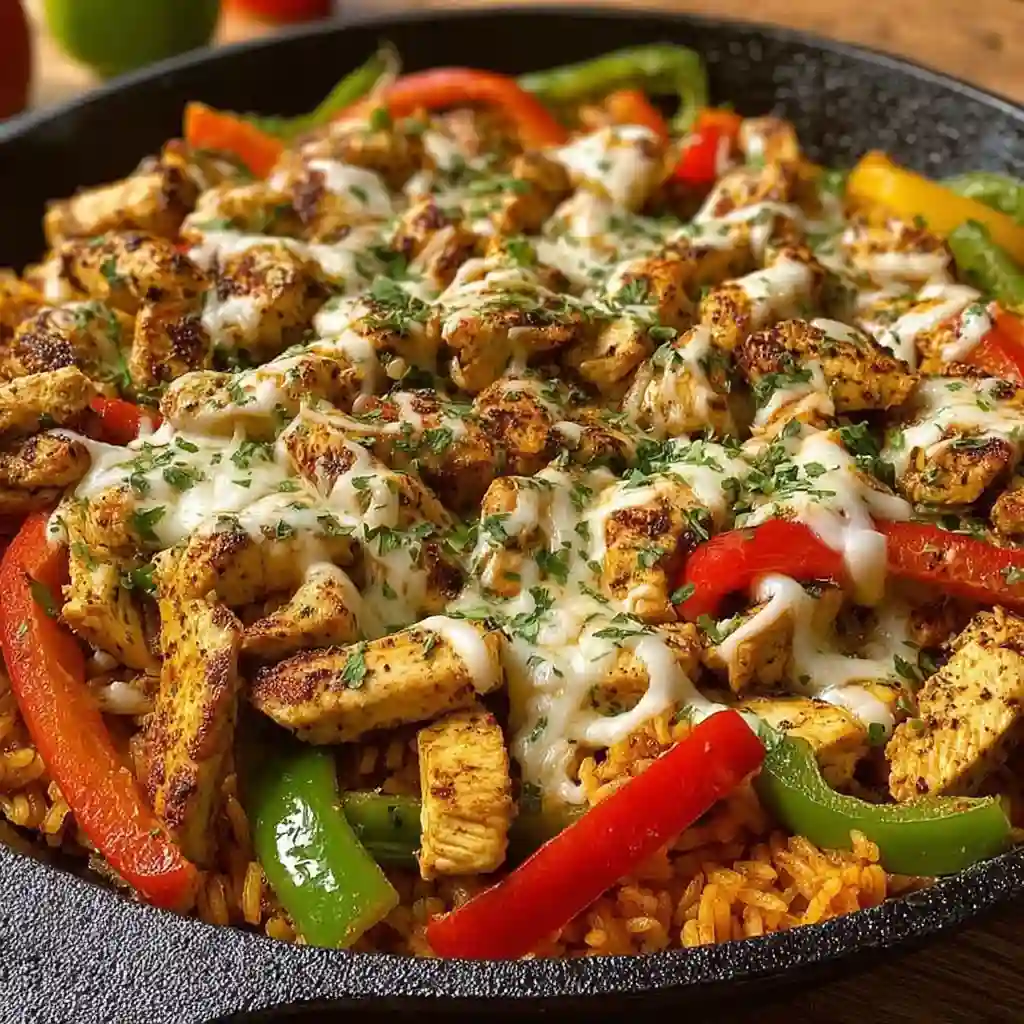
Table of Contents
What Makes the Cheese Chicken Fajita Skillet Special?
There is something primal and satisfying about the sound of sizzling meat hitting a hot pan. It triggers an immediate hunger response. But the Cheese Chicken Fajita Skillet takes that experience to a whole new level.
Imagine the vibrant colors of red and green peppers charring slightly, the golden-brown crust on the chicken, and then the pièce de résistance a blanket of melted, gooey cheese. It’s not just a meal; it’s a sensory event.
Traditional fajitas are great, but they can be a bit disjointed. You have the meat here, the veggies there, and the cheese in a cold bowl on the side. This recipe integrates everything. The cheese melts into the nooks and crannies, creating a cheesy chicken fajita experience in every single bite.
A Versatile Dish for Every Diet
One of the best things about this dish is its flexibility. Whether you are following a strict diet or just trying to eat cleaner, this skillet adapts to you. It is naturally gluten-free if you skip the flour tortillas and opt for corn or lettuce wraps.
For those on low-carb journeys, this is a lifesaver. It fits perfectly into High Protein Casserole Low Carb meal plans. You can easily modify the sides to keep it keto-friendly without sacrificing any of that bold Tex-Mex flavor.
Essential Ingredients for the Perfect Fajita Skillet
Selecting the Best Chicken Cuts
The foundation of any good meat dish is, obviously, the meat. For this recipe, you generally have two choices: chicken breast or chicken thighs. I personally lean towards thighs because they are more forgiving and stay juicy even under high heat.
However, boneless skinless chicken breast recipes are incredibly popular for a reason—they are leaner and cook faster. If you choose breast meat, the trick is to slice it against the grain. This shortens the muscle fibers, ensuring your cheesy chicken fajitas are tender, not chewy.
I always recommend buying air-chilled chicken if you can find it. It has less water content, which means it sears better. Watery chicken steams in the pan, and we want a sear, not a steam bath.
The Vegetable Medley
You can’t have fajitas without the peppers. I like to use a “stoplight” mix: red, yellow, and green bell peppers. The red and yellow add sweetness, while the green brings a slight bitterness that cuts through the rich cheese.
Onions are non-negotiable. A yellow onion provides a nice, mellow sweetness when caramelized, but a red onion adds a sharper bite and beautiful purple color. Use whatever you have, but slice them into uniform strips so they cook evenly.
Don’t be afraid to add other veggies too. Mushrooms or zucchini can bulk up the meal, turning it into a robust Low Carb Fajita Casserole style dish that is packed with nutrients.
The Cheese Factor
Now, let’s talk about the star of the show: the cheese. You need a cheese that melts smoothly without separating into a greasy mess. Monterey Jack is the gold standard here. It’s mild, creamy, and melts like a dream.
Pepper Jack is fantastic if you want a little kick. For a truly indulgent experience, try the “Queso Dip Hack.” Instead of just shredded cheese, pour a high-quality fajita cheese dip recipe or jarred queso over the skillet at the very end.
This creates a smothered chicken fajitas effect that is undeniably delicious. The sauce coats every piece of chicken and pepper, ensuring maximum flavor distribution. It transforms a dry stir-fry into a luscious queso chicken fajita skillet.
Homemade vs. Store-Bought Seasoning
I used to buy those little packets of taco seasoning until I realized how much salt and filler was in them. Making your own blend is incredibly simple and much healthier. You control the sodium and the heat.
My go-to blend includes chili powder, ground cumin, smoked paprika, garlic powder, onion powder, and a pinch of cayenne. The smoked paprika is key; it mimics the char of a grill even if you are cooking indoors.
Using fresh spices makes a huge difference. If your cumin has been sitting in the cupboard since 2015, it’s time to toss it. Fresh spices are vibrant and aromatic, elevating your easy cheese chicken fajita skillet from good to gourmet.
Equipment: Why the Skillet Matters
Cast Iron: The King of Searing
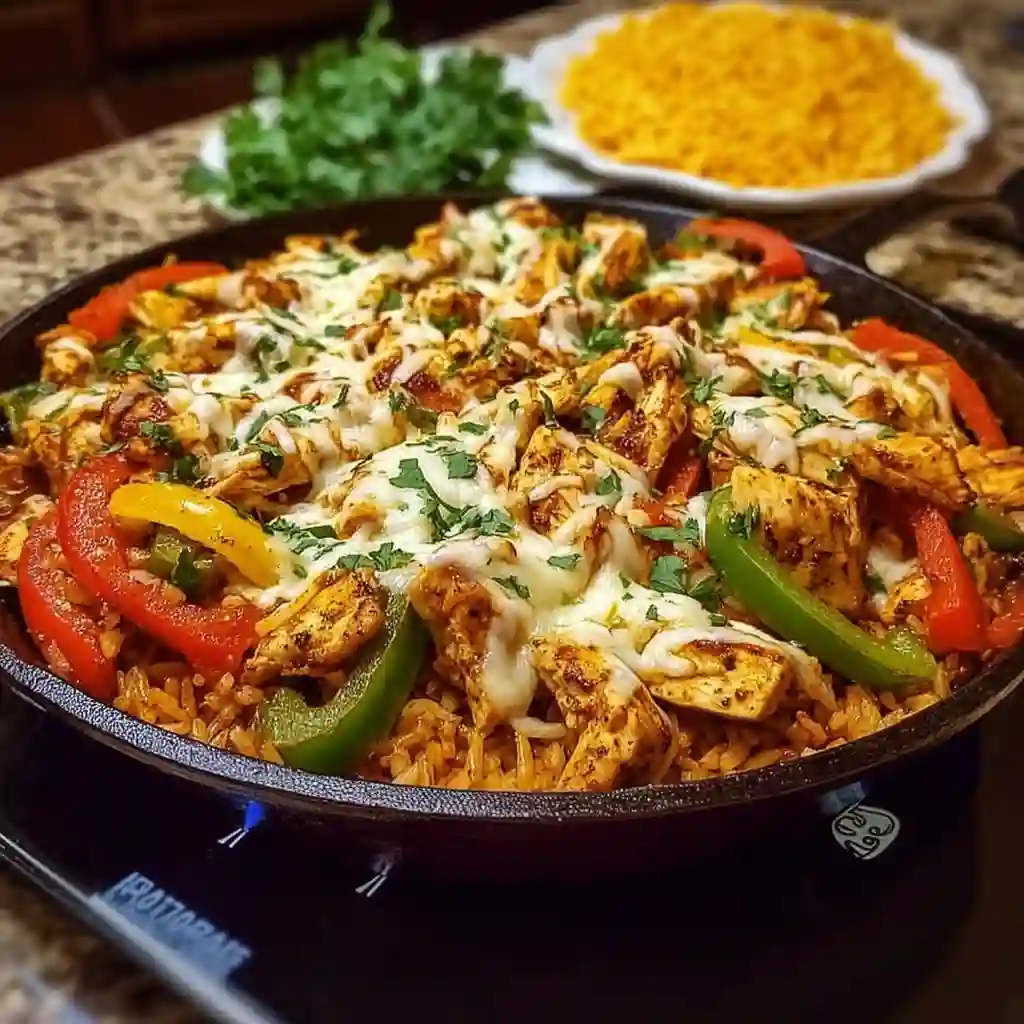
If you have a cast iron skillet, now is the time to use it. Cast iron retains heat incredibly well, which is crucial for getting that “restaurant-style” char on the vegetables and meat.
When you drop cold chicken into a thin aluminum pan, the temperature drops rapidly, and the food steams. Cast iron stays hot, searing the outside instantly. This seals in the juices, essential for a best cheese chicken fajita skillet.
Plus, cast iron goes from stovetop to oven seamlessly. This is perfect if you want to broil the cheese at the end to get it bubbling and brown. It is the ultimate tool for savory skillet meals.
Stainless Steel and Non-Stick Alternatives
If you don’t have cast iron, don’t panic. A heavy-bottomed stainless steel pan works well too. You just need to let it heat up properly before adding oil. The “water drop test” is a good indicator—if a drop of water dances on the surface, it’s ready.
Non-stick pans are great for ease of cleanup, especially with cheesy dishes. However, be careful not to overheat them, as high heat can damage the coating. You might not get the same deep char, but you will still have a delicious easy cheese chicken fajita skillet.
Ensure your pan is large enough. A 12-inch skillet is ideal. Crowding the pan is the enemy of browning. If your ingredients are piled on top of each other, they will steam, and you’ll miss out on that smoky fajita flavor.
Step-by-Step Cooking Instructions
Step 1: Marinating for Depth of Flavor
Start by tossing your chicken strips in a quick marinade. I mix olive oil, lime juice, and half of my spice blend. Let it sit for just 15 to 20 minutes while you chop the veggies.
You don’t need to marinate for hours. The acid in the lime juice works fast to tenderize the meat. This step infuses flavor deep into the chicken, ensuring it’s not just coated on the outside.
This simple prep work is what separates a bland meal from a best cheese chicken fajita skillet. It shows you care about the layers of flavor.
Step 2: Searing the Chicken
Heat your skillet over medium-high heat until it is smoking slightly. Add a swirl of oil and then the chicken in a single layer. Do not touch it! Let it sear undisturbed for 2-3 minutes.
Flip it once it releases naturally from the pan. You want a deep golden-brown crust. Once it’s cooked through, remove it from the pan and set it aside on a plate.
Why remove it? If you leave it in while cooking the veggies, the chicken will overcook and become dry. We want cheesy chicken fajitas that are juicy, not tough like leather.
Step 3: Charring the Vegetables
Add a little more oil to the hot pan and throw in your onions and peppers. You should hear a loud sizzle. Stir them occasionally, allowing them to pick up the browned bits left behind by the chicken.
This is called “fond,” and it is pure flavor gold. The moisture from the vegetables will deglaze the pan naturally. Cook them until they are tender-crisp. You want them to have a bit of a bite, not be completely mushy.
Season the veggies with the remaining spice blend. This ensures every component of your Cheese Chicken Fajita Skillet is flavorful on its own.
Step 4: The Cheesy Convergence
Now, add the chicken and its resting juices back into the pan. Toss everything together to combine. Turn the heat down to low.
Sprinkle your cheese generously over the top. If you are using the cheese sauce for fajitas, pour it over now. Cover the pan with a lid or a piece of foil for about 2-3 minutes.
When you lift the lid, you should be greeted by a bubbling, molten masterpiece. The steam melts the cheese perfectly, creating that signature cheesy fajita skillet look.
Variations to Suit Your Cravings
The “Rice Skillet” Version
Sometimes you need a bulkier meal. You can easily turn this into a casserole by adding uncooked rice and chicken broth directly to the pan after searing the chicken.
Stir in the rice, broth, and tomato sauce, then nestle the chicken back in. Cover and simmer until the rice is tender. This transforms the dish into a mexican chicken casserole that feeds a crowd.
It’s a fantastic one-pot solution. Just make sure to adjust your liquid ratios so the rice cooks properly without becoming gummy. This variation is often called a chicken burrito casserole in my house.
Pasta Fajita Fusion
If you are craving pasta, swap the rice for rotini or penne. Cook the pasta separately and toss it into the skillet with the chicken and peppers before adding the cheese.
The ridges in the pasta catch the cheesy sauce beautifully. It’s a fusion dish that surprises people but always disappears quickly. It brings a comfort food vibe to the zesty fajita flavors.
This twist makes for excellent leftovers and can be baked in the oven for a crispy top, similar to a cheesy chicken fajita bake.
Low-Carb and Keto Modifications
For my keto friends, this recipe is a goldmine. You can bulk it up with cauliflower rice instead of white rice. Just add the riced cauliflower in the last few minutes of cooking so it doesn’t turn to mush.
Focus on high-fat toppings like avocado and sour cream to hit your macros. This effectively becomes a High Protein Low Carb Mexican Recipes staple.
You can also just increase the volume of peppers and onions. It creates a substantial Low-carb Fajita Dinner Idea that leaves you feeling full and satisfied without the carb crash.
Serving Suggestions and Toppings
The Carbohydrate Carriers
Traditionally, fajitas are served with warm flour tortillas. I like to char mine directly over the gas burner for a few seconds to get those authentic grill marks.
Corn tortillas are a great gluten-free option, though they are more fragile. For a lighter crunch, try large romaine lettuce leaves or butter lettuce cups.
This turns the meal into fun, interactive chicken queso fajita bowls or wraps that kids and adults both enjoy.
The Fresh Toppings Bar
The toppings are where you can really personalize your plate. A dollop of sour cream or Mexican crema adds a cooling contrast to the spicy chicken.
Fresh pico de gallo or a squeeze of lime juice cuts through the richness of the cheese. Acid is essential in a heavy dish like smothered chicken fajitas; it brightens everything up.
Don’t forget the herbs. Fresh cilantro adds a burst of freshness. If you have the gene that makes cilantro taste like soap, sliced green onions are a perfect substitute.
Side Dishes
If you are serving this as a standalone skillet, you might want some sides. Mexican street corn (Elote) is a fantastic pairing. The sweet corn complements the savory spices.
Refried beans or black beans are classic and add extra fiber. A crisp cucumber salad with chili and lime is refreshing and helps cleanse the palate between bites of cheesy mexican chicken.
For a comforting winter meal, serve it alongside a simple broccoli chicken rice casserole if you are feeding a very large group and need variety.
Storage, Reheating, and Meal Prep
Storing Leftovers Safely
This dish stores beautifully, making it excellent for meal prep. Let the skillet cool completely before transferring leftovers to airtight containers. It will keep in the fridge for 3-4 days.
I often portion it out into individual glass containers for grab-and-go lunches. It’s a High Protein Casserole Low Carb option that beats a sad desk sandwich any day.
Label your containers with the date. It’s a small step that prevents the “mystery meat” situation in the back of the fridge later.
Reheating Without Drying Out
The microwave is convenient, but it can dry out chicken. If you must use it, splash a little water or broth over the chicken and cover it loosely to steam it as it reheats.
The best way to reheat is back in a skillet. Add a tablespoon of water, cover, and heat on low. This revives the sauce and keeps the cheese chicken fajita skillet recipe tasting fresh.
Stirring in a little extra fajita cheese dip recipe or fresh cheese after reheating can bring back that creamy texture we love.
Freezer Friendly?
The cooked chicken and peppers freeze reasonably well. However, dairy-based sauces and rice can sometimes change texture when frozen and thawed.
If you plan to freeze it, I recommend freezing the cooked chicken and vegetable mixture without the cheese. Add the cheese fresh when you reheat it.
This ensures your High Protein Low Carb Casserole Recipes taste just as good the second time around. It is a smart strategy for stocking your freezer with healthy meals.
More easy Recipes To Try!
Frequently Asked Questions (FAQ)
Do I need a cast iron skillet for this recipe?
No, you don’t need one, but it is highly recommended. Cast iron provides superior heat retention and searing capabilities that elevate the flavor. However, a heavy stainless steel pan or a quality non-stick pan will also yield a delicious cheese chicken fajita skillet recipe.
Can I use rotisserie chicken to save time?
Absolutely! Using rotisserie chicken is a brilliant time-saver. Skip the raw chicken searing step. Sauté your vegetables first, then toss in the shredded rotisserie meat at the end just to warm it through before adding the cheese. This makes for super fast easy weeknight dinners.
How do I keep my chicken fajitas from being dry?
The secret is high heat and short cooking time. Sear the chicken quickly to seal the outside, and don’t overcook it. Using a meat thermometer helps pull the chicken at 160°F (it will rise to 165°F as it rests). Also, adding a cheese sauce for fajitas helps add moisture back into the dish.
What is the best cheese for melting over fajitas?
Monterey Jack is the best all-rounder for melting. It is mild and gooey. A Mexican blend (often containing cheddar, Jack, and Asadero) is also excellent. Avoid aged cheeses like sharp cheddar on their own, as they can separate and become oily. Using the right cheese for fajitas makes all the difference in texture.
Can I make this dairy-free?
Yes, you can. Simply omit the cheese topping or use a high-quality vegan cheese alternative. The spice rub and seared vegetables provide plenty of flavor on their own, so you will still have a tasty cheesy chicken fajita experience (sans real cheese) that satisfies.
Conclusion: A Fiesta in a Pan
Ultimately, this Cheese Chicken Fajita Skillet is more than just a recipe; it’s a solution to the eternal “what’s for dinner?” dilemma. It combines the ease of a one-pan meal with the bold, exciting flavors of Tex-Mex cuisine.
Whether you are looking for High Protein Low Carb Casserole Recipes to stick to your fitness goals or just need comforting Low Carb High Protein Casseroles that the kids will actually eat, this dish delivers.
From the juicy chicken cheesesteak skillet vibes to the healthy profile of a Low Carb Fajita Casserole, it is versatile, forgiving, and undeniably delicious.
So, grab your skillet, chop those peppers, and get ready to enjoy a Fajita Casserole Keto friendly feast that brings the family together. It’s time to spice up your weeknight routine with this High Protein Low Carb Mexican Recipes classic.