
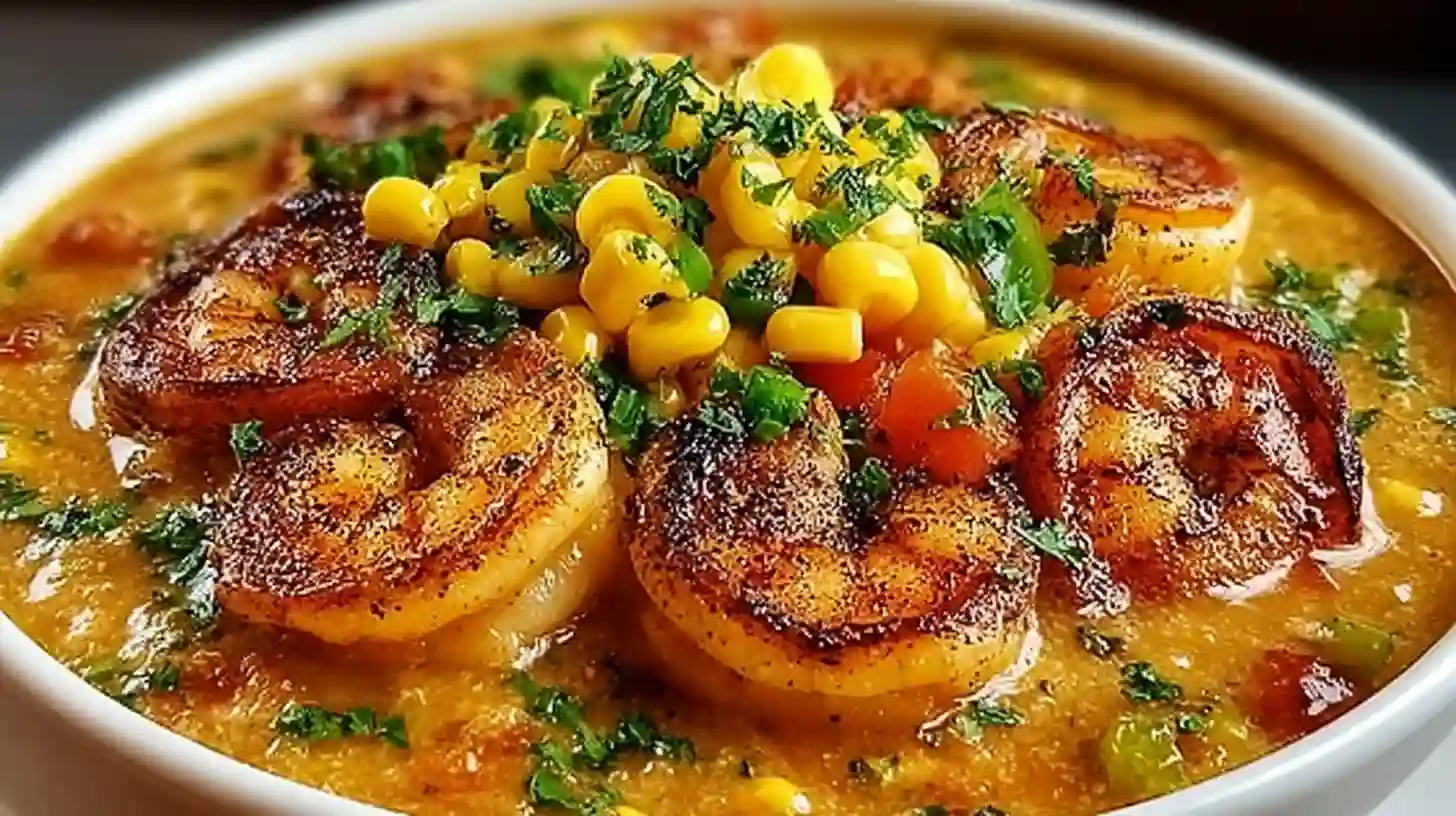
Orleans Shrimp Corn Bisque with this definitive guide, designed to bring the sophisticated flavors of the French Quarter directly to your kitchen.
This comprehensive resource illuminates the critical techniques behind achieving the perfect balance of creamy richness, savory Gulf seafood, and sweet corn texture. Ideal for both weeknight dinners and elegant gatherings, this recipe offers a culinary bridge to authentic Southern heritage without requiring professional chef credentials.
Discover why this New Orleans Shrimp Corn Bisque is the ultimate expression of comfort and refinement, perfect for anyone seeking to elevate their repertoire with Classic New
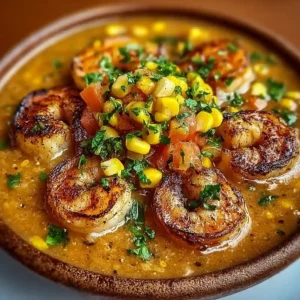
New Orleans Shrimp and Corn Bisque

Equipment
- Large Pot
- Mixing bowl
Ingredients
Ingredients
- 1 lb shrimp, peeled and deveined
- 2 tbsp butter melted or at room temperature
- 1 small onion, finely chopped
- 1 stalk celery, diced
- 1/2 red bell pepper, diced
- 2 cloves garlic, minced
- 2 tbsp all-purpose flour
- 3 cups seafood or chicken broth warm or room temperature
- 1 cup heavy cream cold or room temperature
- 1 can (15 oz) sweet corn, drained
- 1/2 tsp cayenne pepper adjust to taste
- 1 tsp paprika
- salt and pepper to taste
- 1 tbsp chopped parsley for garnish
- sliced green onions optional for garnish
Instructions
- Ladle the bisque into bowls and garnish with chopped parsley and green onions if desired; serve hot.
- Stir in the minced garlic and cook for 1 minute until fragrant.
- Sprinkle in the flour and stir continuously to form a roux; cook for 2 to 3 minutes until slightly golden.
- Gradually whisk in the broth to avoid lumps. Add the corn, cayenne pepper, paprika, salt, and pepper. Bring to a gentle simmer and cook for 10 to 12 minutes.
- Stir in the shrimp and heavy cream; simmer for about 5 to 6 minutes until the shrimp are pink and cooked through.
- Ladle the bisque into bowls and garnish with chopped parsley and green onions if desired; serve hot.
Notes
Table of Contents
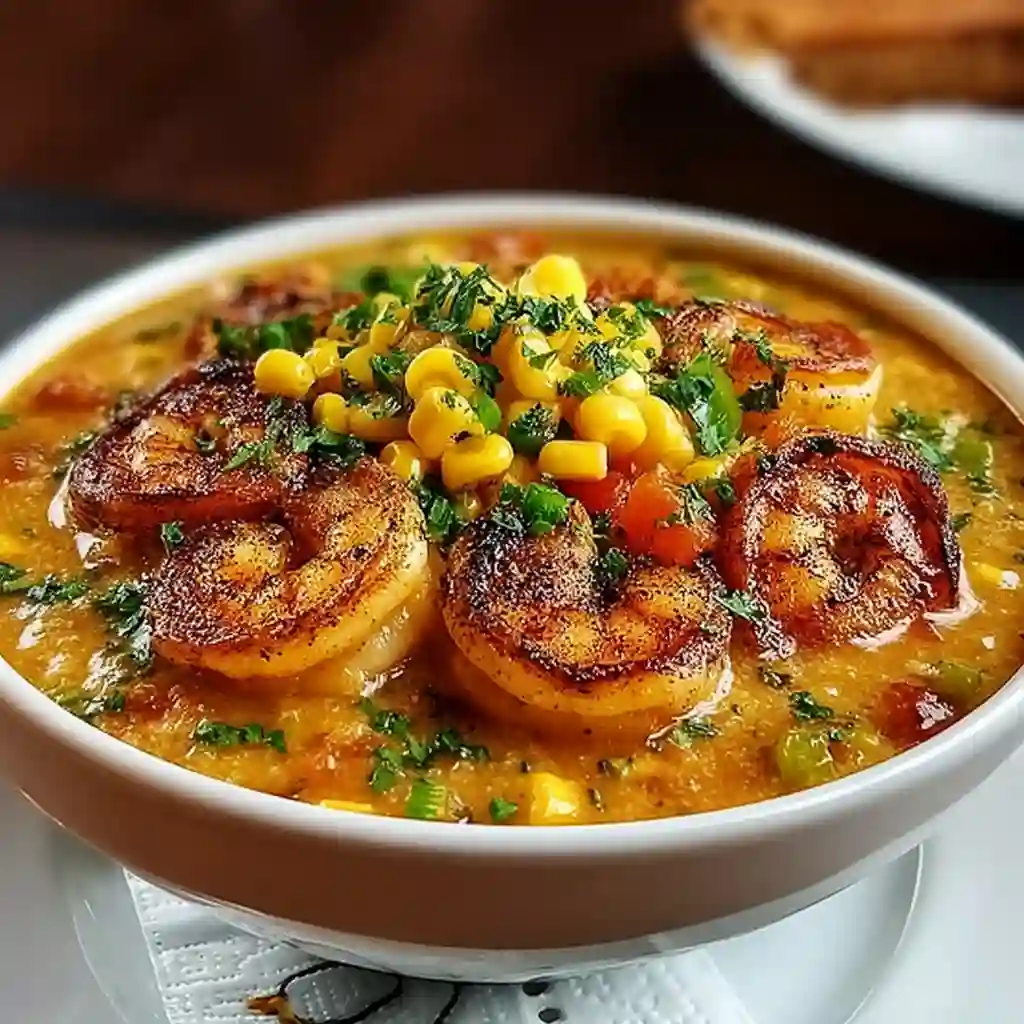
Orleans Food.to New Orleans Shrimp Corn Bisque
The Soul of the Big Easy in a Bowl
I still vividly remember the evenings spent in the kitchen with my elderly neighbor, Madame Claudette, a spirited woman whose roots in the Louisiana bayou ran as deep as the Mississippi River.
She taught me that cooking was not merely a chore but an act of storytelling, and her New Orleans Shrimp Corn Bisque was her most eloquent tale. As I watched her stir the pot, the kitchen would fill with an intoxicating aroma a complex bouquet of toasted flour, sweet corn, and the distinct, briny scent of fresh seafood.
It is a sensory experience that lingers in the memory: the golden hue of the broth, the gentle heat of the spices, and the comforting warmth of the first spoonful. While some might technically classify this dish as a chowder due to the generous kernels of corn and substantial chunks of seafood, culinary tradition in New Orleans often elevates it to the title of “bisque.”
This distinction hints at the dish’s French ancestry and its luxurious, velvety texture, which I have endeavored to recreate faithfully in this shrimp and corn bisque recipe.
The cultural identity of this dish is as complex as its flavor profile. It sits at the intersection of rustic country cooking and refined city dining, a hallmark of Louisiana Dinner Ideas.
The sweetness of the corn provides a perfect counterpoint to the savory depth of the corn and shrimp, creating a harmony that is characteristic of the region’s best cuisine. When I prepare this dish, I am always struck by how it manages to be both humble and sophisticated simultaneously.
It is a dish that demands attention to detail, yet rewards the cook with a result that feels effortlessly hospitable. Whether you are looking for New Orleans Lunch Ideas or a centerpiece for a dinner party, this bisque delivers on every level.
Cajun vs. Creole: Understanding the Flavor Profile
To truly appreciate this Cajun shrimp bisque recipe, one must understand the nuanced dance between Cajun and Creole influences that define it. Cajun cuisine, born of the French Acadian exiles who settled in the rural bayous, typically relies on hearty, rustic ingredients and strong, peppery flavors.
Creole cuisine, conversely, is the cosmopolitan food of New Orleans city life, influenced by French, Spanish, African, and Italian traditions, often utilizing butter and cream. This recipe serves as a delicious hybrid.
It utilizes the sophisticated technique of a roux and the richness of heavy cream—distinctly Creole traits while embracing the bold spice and rustic corn elements often found in Cajun Cooking Ideas.
The flavor profile is a delicate balancing act that requires a steady hand. I find that the secret lies in the interplay of three primary sensations: the savory umami of the shrimp.new orleans style, the natural sugars present in the corn and cream, and the lingering warmth of cayenne and paprika.
It is not simply about heat; it is about depth. When you taste a truly authentic New Orleans shrimp corn bisque recipe, you should first taste the sweetness of the dairy and corn, followed immediately by the rich seafood stock, and finally, a gentle hum of spice that warms the back of the throat.
This is not just a soup; it is a lesson in history and geography, served in a bowl. For those seeking a mediterranean new orleans shrimp and corn bisque twist, the addition of herbs can shift the profile, but the core balance of sweet, savory, and spicy must remain.
Essential Ingredients for Authentic Flavor
The Holy Trinity: The Foundation of Flavor
In my culinary practice, I cannot stress enough that the success of any new orleans shrimp corn bisque recipe easy or complex, rests entirely on the “Holy Trinity.” In Louisiana cooking, this refers to the sacred combination of onions, celery, and bell peppers.
Unlike the French mirepoix, which uses carrots, the Cajun and Creole Trinity utilizes green bell peppers to provide a distinct, grassy bitterness that cuts through rich sauces. For this specific bisque, I often prefer red bell peppers for their sweetness and aesthetic appeal, but the principle remains the same.
These aromatics must be sautéed in butter never oil, if you want that authentic flavor until they are extremely soft. This process releases their essential oils and creates a savory base that permeates every spoonful of the easy shrimp and corn bisque.
The sautéing process is not one to be rushed. I have found that taking the time to slowly cook these vegetables allows them to melt into the background of the soup, providing flavor without distracting crunch.
It is the invisible scaffolding upon which the rest of the louisiana shrimp bisque recipe is built. If you skip this step or rush it, the final dish will lack that profound depth of character that distinguishes a best shrimp and corn soup recipe from a mediocre one. It is the first step in building a layer of flavor that supports the delicate seafood that follows.
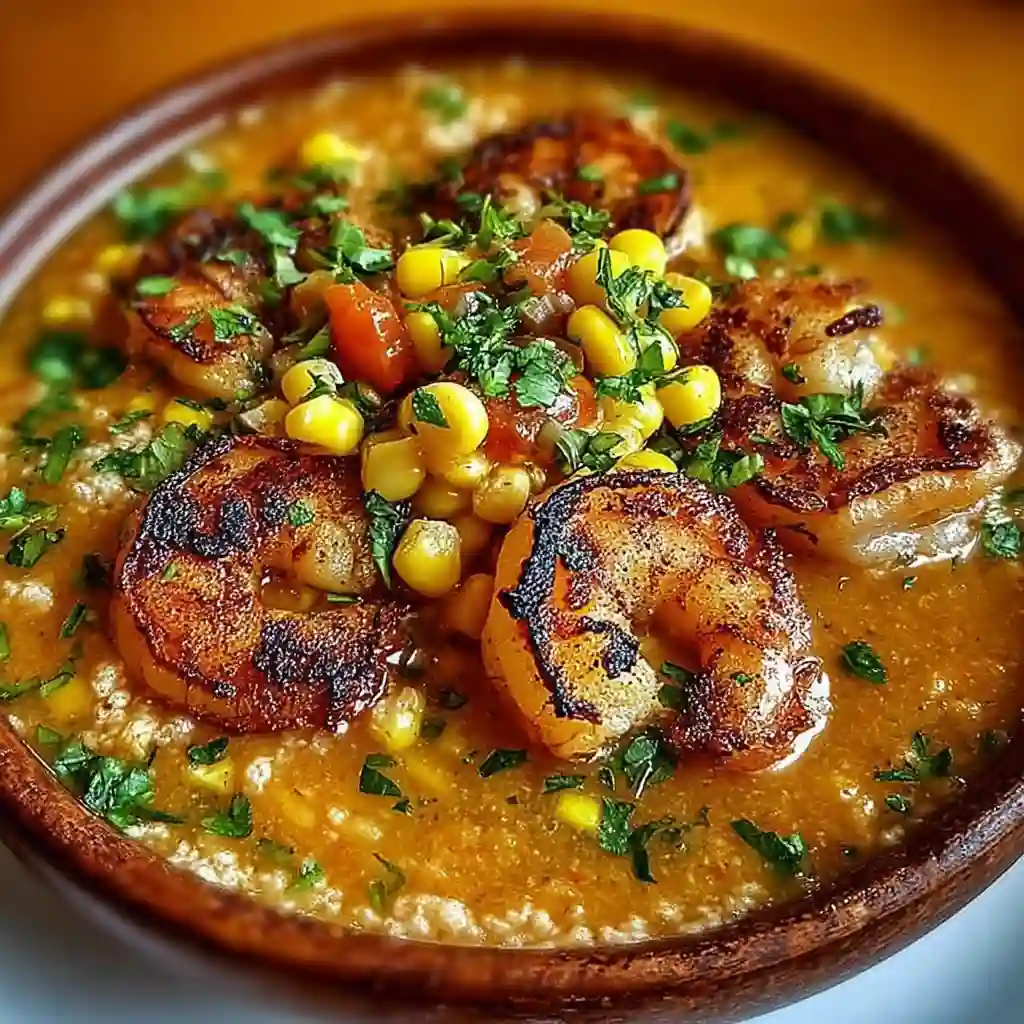
Selecting the Best Shrimp and Stock
The quality of your seafood is paramount. When sourcing ingredients for corn shrimp bisque, I strongly advocate for wild-caught Gulf shrimp whenever possible. They possess a sweetness and a firm texture that farm-raised alternatives often lack.
The size of the shrimp matters as well; medium shrimp are generally best as they fit perfectly on the spoon, ensuring you get a bit of corn and shrimp in every bite. If you are unable to find fresh Gulf shrimp, high-quality frozen shrimp are a respectable substitute, provided they are thawed properly.
I advise against using pre-cooked shrimp, as they will inevitably become rubbery during the simmering process of this creamy shrimp and corn bisque.
Equally important is the liquid foundation of the soup. While a store-bought chicken broth can serve in a pinch, I always encourage home cooks to use a proper seafood stock. The salinity and briny essence of a seafood stock elevate the dish significantly.
If you have the time, making a quick stock from the shrimp shells is a game-changer. It infuses the liquid with the very essence of the shrimp.new orleans flavor profile. Using water or a bland vegetable broth will result in a bisque that feels “thin” in flavor, regardless of how much cream you add.
This attention to the base liquid is often what sets New Orleans Restaurant Recipes apart from home attempts.
Corn: Fresh, Frozen, or Canned?
The debate over corn can be surprisingly contentious. In my experience with New Orleans Crockpot Recipes and stovetop methods alike, the type of corn you choose dictates the texture of the bisque.
Fresh corn cut straight from the cob is undeniable in its crispness and milky sweetness. However, I have found that high-quality frozen sweet corn is remarkably consistent and available year-round, making it a staple for my shrimp and corn bisque recipe. It retains a snap that canned corn sometimes loses.
That said, there is a secret weapon I often employ: cream-style corn. Including a can of cream-style corn alongside whole kernels acts as a natural thickener and intensifies the corn flavor without requiring excessive amounts of roux.
It bridges the gap between the broth and the solid ingredients. If you are aiming for a new orleans shrimp and corn bisque recipe easy to manage on a weeknight, canned sweet corn is acceptable, but be sure to drain it well to avoid diluting your rich stock.
The goal is to highlight the corn shrimp pairing, ensuring the corn stands up to the bold spices.
Dairy and Roux Components
Finally, we must address the rich, velvety texture that defines a bisque. While some health-conscious variations exist, a traditional cajun shrimp and corn bisque recipe relies on heavy cream.
The fat content in heavy cream is essential not just for mouthfeel, but for stability; it is less likely to curdle when introduced to the hot, salty stock than milk or half-and-half. I recommend using full-fat heavy cream for the most luxurious result.
If you are looking for a lighter option, perhaps similar to a shrimp and corn bisque emeril style interpretation, you can use half-and-half, but be prepared for a thinner consistency.
The roux a mixture of flour and fat is the other thickening agent. For a bisque, we are looking for a “blonde” roux. Unlike the dark, chocolate-colored roux used in gumbo, a blonde roux is cooked only long enough to cook out the raw flour taste, retaining its thickening power and a mild, nutty flavor.
This ensures the New Orleans Shrimp Corn Bisque remains golden and vibrant, rather than muddy. Mastering this balance of dairy and starch is the final key to achieving that restaurant-quality consistency found in New Orleans Food Recipes Dinners.
Kitchen Equipment Needed
The Pot Matters: Dutch Oven vs. Stockpot
When preparing a dish that requires sustained simmering and thickening, such as this louisiana shrimp and corn bisque, the vessel you choose is critical. I always recommend using a heavy-bottomed Dutch oven, preferably enameled cast iron.
The thermal mass of a Dutch oven ensures even heat distribution, which is vital when working with a dairy-based soup. Thin aluminum or stainless steel stockpots can develop hot spots, leading to scorching on the bottom a disaster that will permeate the entire bisque with a burnt taste.
A heavy pot allows you to maintain a gentle, consistent simmer, which is essential for mingling the flavors of the corn shrimp bisque without separating the cream.
Texture Tools: Immersion Blender
To achieve the quintessential texture of a new orleans shrimp and corn bisque recipe, I consider an immersion blender to be an indispensable tool. While not strictly mandatory, it allows you to pulse the soup a few times before adding the shrimp.
This technique purees a portion of the corn and vegetables, naturally thickening the base and intensifying the flavor, while leaving plenty of whole kernels for texture. It bridges the gap between a rustic chowder and a refined puree.
If you do not own an immersion blender, you can ladle a portion of the soup into a standard blender, but be extremely cautious when blending hot liquids. This simple step elevates the mouthfeel, making it a true contender for the best shrimp and corn soup recipe.
Step-by-Step Preparation Guide
Step 1: Making a Quick Shrimp Stock (Optional but Recommended)
If you have purchased shell-on shrimp, do not discard the shells. I strongly advise taking twenty minutes to create a quick stock. Place the shells in a pot with a quartered onion, a few peppercorns, and a bay leaf, then cover with water and simmer.
This extracts the sweet, briny flavor trapped in the shells, creating a “liquid gold” that serves as the backbone of your cajun shrimp bisque recipe. Strain this liquid and use it in place of chicken broth.
This extra effort is the single most effective way to deepen the flavor profile and make your New Orleans Fish Recipes taste professionally prepared. It infuses the entire dish with the essence of the ocean.
Step 2: Sautéing and the Roux
Begin by melting butter in your Dutch oven over medium heat. Add your finely diced onions, celery, and red bell peppers. I recommend sautéing these for at least eight to ten minutes. You want them to be very soft and translucent, not browned or crispy.
Once the vegetables are tender, sprinkle the flour evenly over them. Stir constantly with a wooden spoon or silicone spatula. This coats the vegetables and begins the cooking of the roux. Cook this mixture for two to three minutes.
You will smell a faint nuttiness, similar to baking pie crust. It is crucial not to let this darken too much; we want a golden hue for our shrimp and corn bisque recipe, not a dark brown one.
Step 3: Building the Base
Once the roux is bubbly and cooked, it is time to introduce the liquid. If I were using wine, I would deglaze now, but for this non-alcoholic version, I use a splash of the shrimp stock or a teaspoon of lemon juice to lift any fond from the bottom of the pot.
Gradually whisk in the warm seafood stock. Adding it slowly prevents lumps from forming in the flour. Once all the stock is incorporated, add your corn (both whole kernel and cream-style if using) and your spices paprika, garlic powder, and cayenne.
Bring this mixture to a gentle simmer. Let it cook uncovered for about 10 to 15 minutes. This reduces the liquid slightly and concentrates the flavors, a technique essential for Creole Dishes New Orleans style.
Step 4: The Simmer and The Cream
Lower the heat significantly before proceeding. We are now entering the final delicate stage. Stir in the heavy cream slowly. It is vital that the soup does not come to a rolling boil after this point, as high heat can cause the dairy to curdle.
Once the creamy base is hot and steaming, add your raw, peeled shrimp. They will cook very quickly in the hot liquid usually in just 3 to 5 minutes. Watch them closely; as soon as they turn pink and opaque, remove the pot from the heat. Residual heat will finish the cooking.
Overcooked shrimp are tough and rubbery, a mistake that can ruin even the most flavorful crab and shrimp bisque with corn. Adjust your seasoning with salt and pepper, and you are ready to serve this classic example of New Orleans Food Recipes Dinners.
Expert Tips for the Perfect Bisque
How to Thicken New Orleans Shrimp Corn Bisque
Occasionally, you may find that your bisque is not as thick as you prefer. This can happen due to variations in stock reduction or the water content of the corn. If you desire a thicker consistency for your new orleans shrimp corn bisque recipe, there are several remedies.
One method I use is creating a cornstarch slurry mixing a tablespoon of cornstarch with cold water and whisking it into the simmering soup. However, for a richer result, you can puree a larger portion of the corn and return it to the pot.
This utilizes the natural starch of the vegetable. Alternatively, if you plan ahead, simply increasing the amount of flour in your initial roux will yield a sturdier base. Achieving that spoon-coating consistency is key to a successful creamy shrimp and corn bisque.
Managing the Heat: Spice Adjustments
Spiciness is subjective, especially when dealing with Cajun Cooking Ideas. The level of cayenne pepper should be adjusted to your personal tolerance. I always suggest starting with a smaller amount—perhaps a quarter teaspoon and tasting as you go.
Remember that spices “bloom” and intensify as they cook. To get the most out of your spices, add them to the butter and vegetable mixture before adding the liquid. The fat helps to distribute the capsaicin and flavor compounds more evenly than adding them to the broth later.
If you are serving a crowd with varied palates, keep the spice moderate and offer hot sauce at the table. This ensures your easy shrimp and corn bisque is enjoyable for everyone.
Preventing Curdling
Nothing is more disheartening than a soup that has separated. Curdling occurs when the proteins in the dairy clump together due to high heat or acidity. To prevent this in your louisiana shrimp and corn bisque, ensure your cream is at room temperature before adding it to the hot pot. Cold cream hitting hot soup can shock the proteins.
Furthermore, once the cream is in the pot, maintain a low, gentle heat. Never let it boil vigorously. If you are adding lemon juice for acidity, do so at the very last moment before serving.
These small technical details are what ensure the smooth, professional finish of a new orleans style shrimp and corn soup pioneer woman would be proud of.
Serving and Pairing Suggestions
What to Serve with Shrimp Corn Bisque
This bisque is rich and filling, so the accompaniments should offer contrast in texture and acidity. I invariably serve this New Orleans Shrimp Corn Bisque with crusty French bread. The bread acts as a vehicle for the soup, allowing you to wipe the bowl clean.
For a more thematic pairing, a slice of savory jalapeño cornbread works beautifully, echoing the corn notes in the soup. To balance the richness of the cream and seafood, a crisp green salad with a sharp vinaigrette is the perfect side.
The acidity of the dressing cuts through the dairy, refreshing the palate between bites. Fried green tomatoes are another excellent option if you are exploring New Orleans Lunch Ideas.
Garnishing Like a Pro
Presentation is the final step in the cooking process. A bowl of beige soup can look uninspiring without the right garnish. I always finish each bowl with a sprinkle of fresh, chopped parsley and sliced green onions.
The bright green provides a visual pop against the golden bisque. For a smoky element without using pork bacon, I recommend using crispy smoked turkey bacon bits or even a dusting of smoked paprika.
A few reserved whole shrimp placed on top signal the generosity of the dish. A small drizzle of chili oil can also add a beautiful crimson swirl and a final kick of heat, elevating your new orleans shrimp and corn bisque to restaurant status.
Storage and Reheating Guidelines
Fridge and Freezer Rules
Proper storage extends the life of your culinary efforts. I have found that this shrimp and corn bisque emeril style soup tastes even better the next day, as the flavors have had time to meld. It can be stored in an airtight container in the refrigerator for up to three days.
Freezing, however, presents a challenge due to the dairy. Freezing cream-based soups often results in a grainy texture upon thawing. If you wish to make this a freezer-friendly meal, I recommend preparing the base the vegetables, stock, and corn and freezing that.
When you are ready to eat, thaw the base, heat it up, and then add the fresh cream and shrimp. This ensures the texture remains perfect for your new orleans shrimp and corn bisque.
Reheating Without Breaking the Sauce
When reheating leftovers, patience is a virtue. Do not use the microwave, as the uneven heating can cause the shrimp to explode or become rubbery and the cream to break. Instead, place the desired portion in a saucepan over low heat.
Stir frequently and gently until it is heated through. If the soup has thickened too much in the fridge, add a splash of stock or water to loosen it. Treat the reheating process with the same care as the initial cooking to preserve the integrity of your cajun shrimp and corn bisque recipe.
More easy Recipes To Try!
Red Velvet Buttermilk Cake
Zesty Shrimp And Avocado Rice Bowls
Frequently Asked Questions
What is the difference between shrimp bisque and corn chowder?
This is a common query. Traditionally, a classic French bisque is a smooth, strained soup made from crustaceans, thickened with rice or roasted shells. A chowder is characteristically chunky, often containing potatoes and corn.
This new orleans shrimp corn bisque recipe serves as a delicious hybrid of the two styles. It possesses the heavy cream and rich seafood stock of a bisque, but retains the hearty kernels of corn and pieces of shrimp typical of a chowder. It bridges the gap, offering the best of both worlds refined flavor with rustic texture, a staple of Creole Dishes New Orleans.
Can I use frozen corn for this recipe?
Absolutely. In fact, I often prefer frozen corn over canned for my shrimp and corn bisque recipe. Frozen corn is flash-frozen at peak ripeness, locking in the sugar content. It maintains a superior “pop” when bitten.
Just be sure to thaw the corn slightly before adding it to the pot so it does not lower the temperature of your soup too drastically. It is an excellent, accessible ingredient for New Orleans Crockpot Recipes.
What can I use instead of heavy cream?
For those monitoring their fat intake, heavy cream can be substituted. I suggest using half-and-half or evaporated milk. Evaporated milk is a traditional pantry staple in older new orleans shrimp and corn bisque recipe easy versions and adds a unique, caramelized sweetness.
However, be aware that using milk with a lower fat content will result in a soup that is less rich and slightly thinner. You may need to adjust your roux to compensate for the viscosity.
Can I make the base ahead of time?
Yes, this is a fantastic strategy for entertaining. You can prepare the vegetable and stock base up to 24 hours in advance. Store it in the refrigerator. When your guests arrive, simply bring the base to a simmer, whisk in the cream, and add the shrimp.
This guarantees perfectly cooked seafood and allows you to enjoy the party rather than slaving over the stove. It turns a complex-tasting dish into a manageable part of your New Orleans Lunch Ideas.