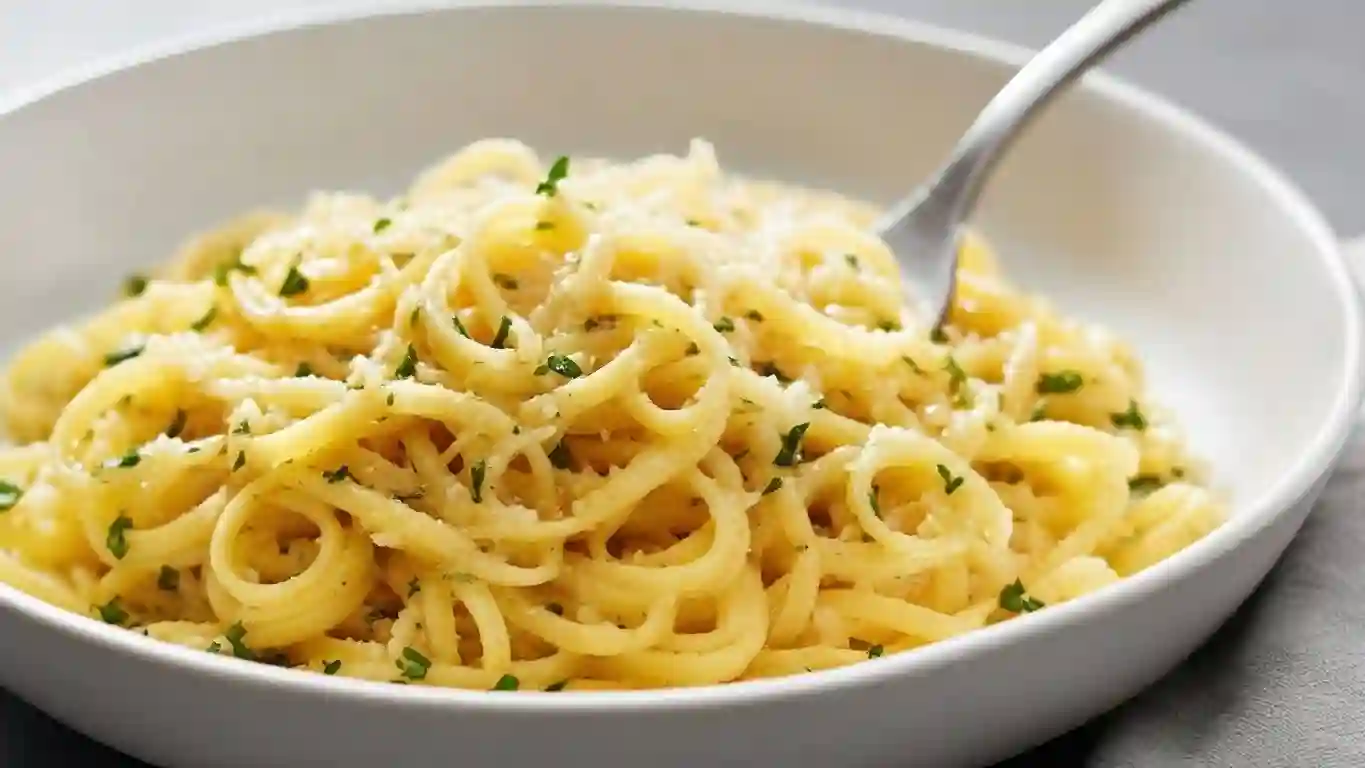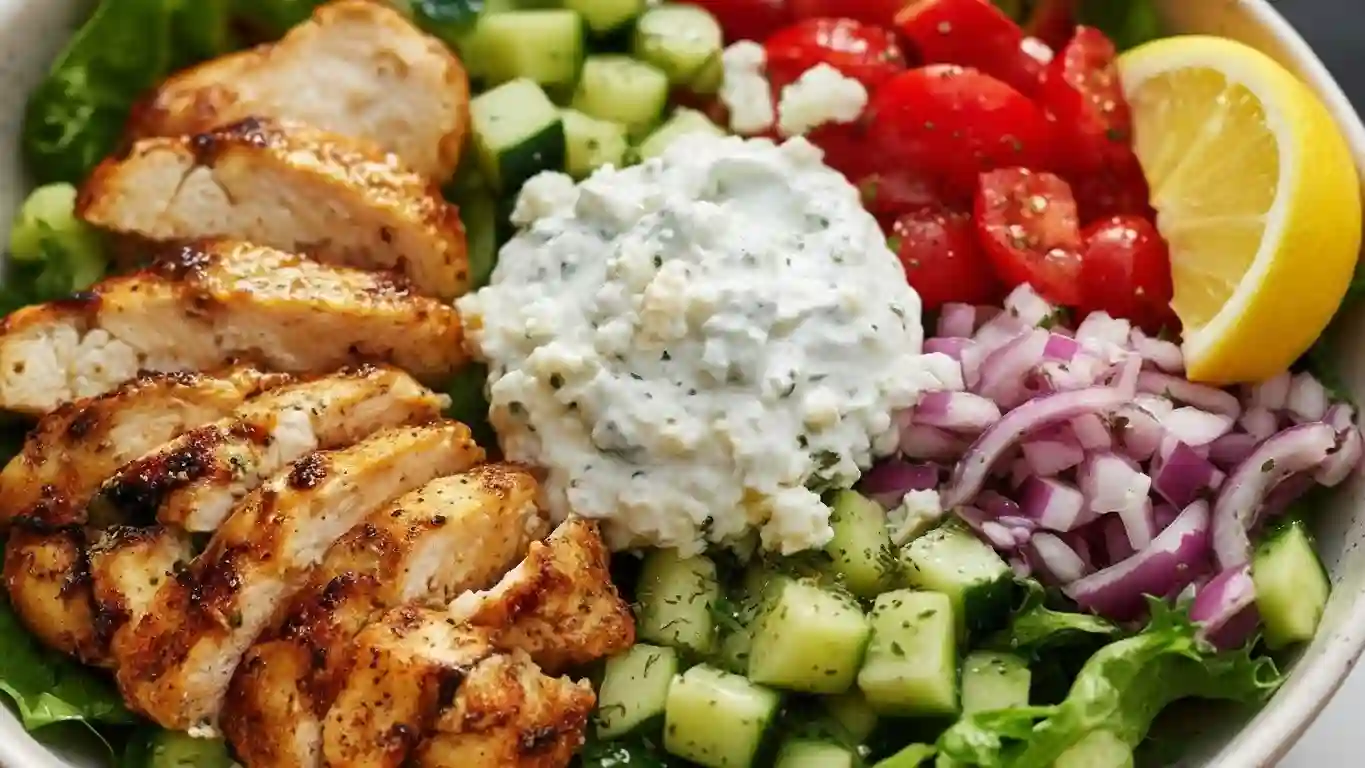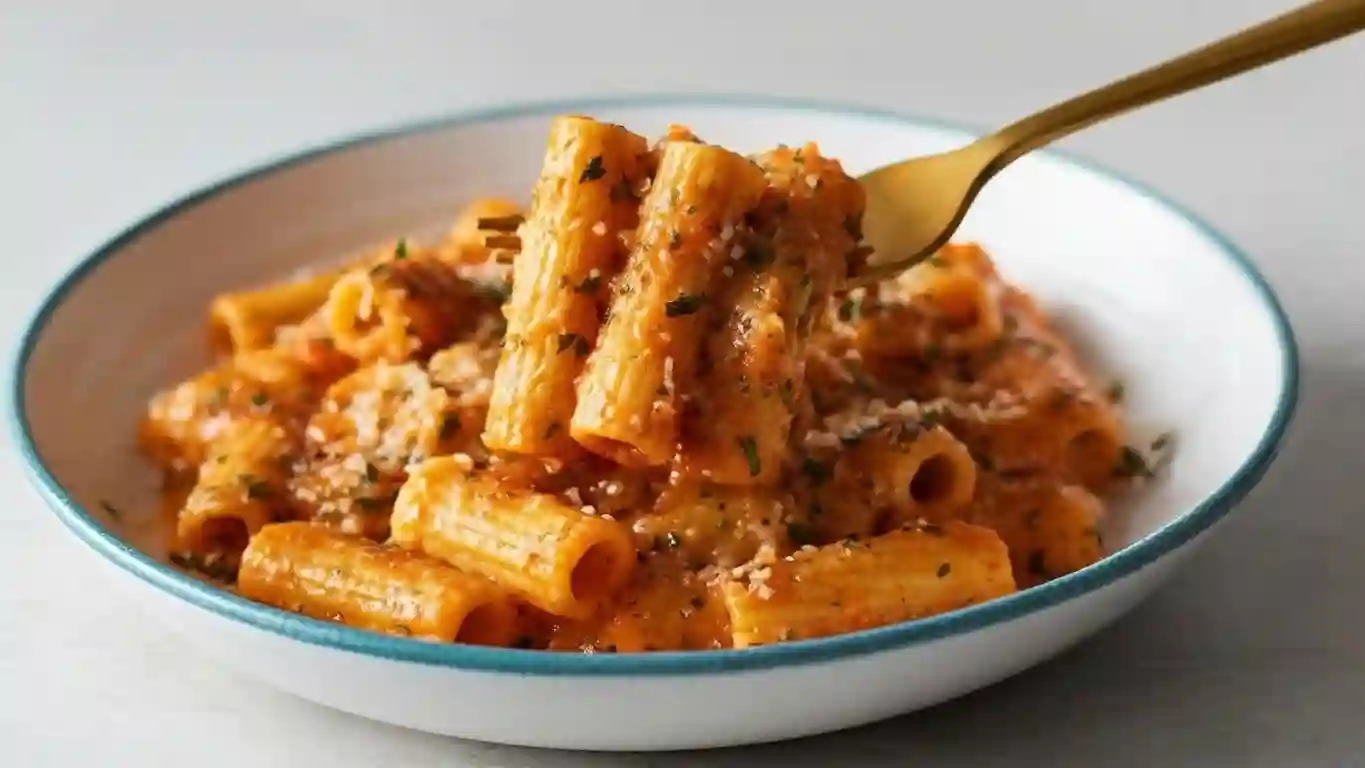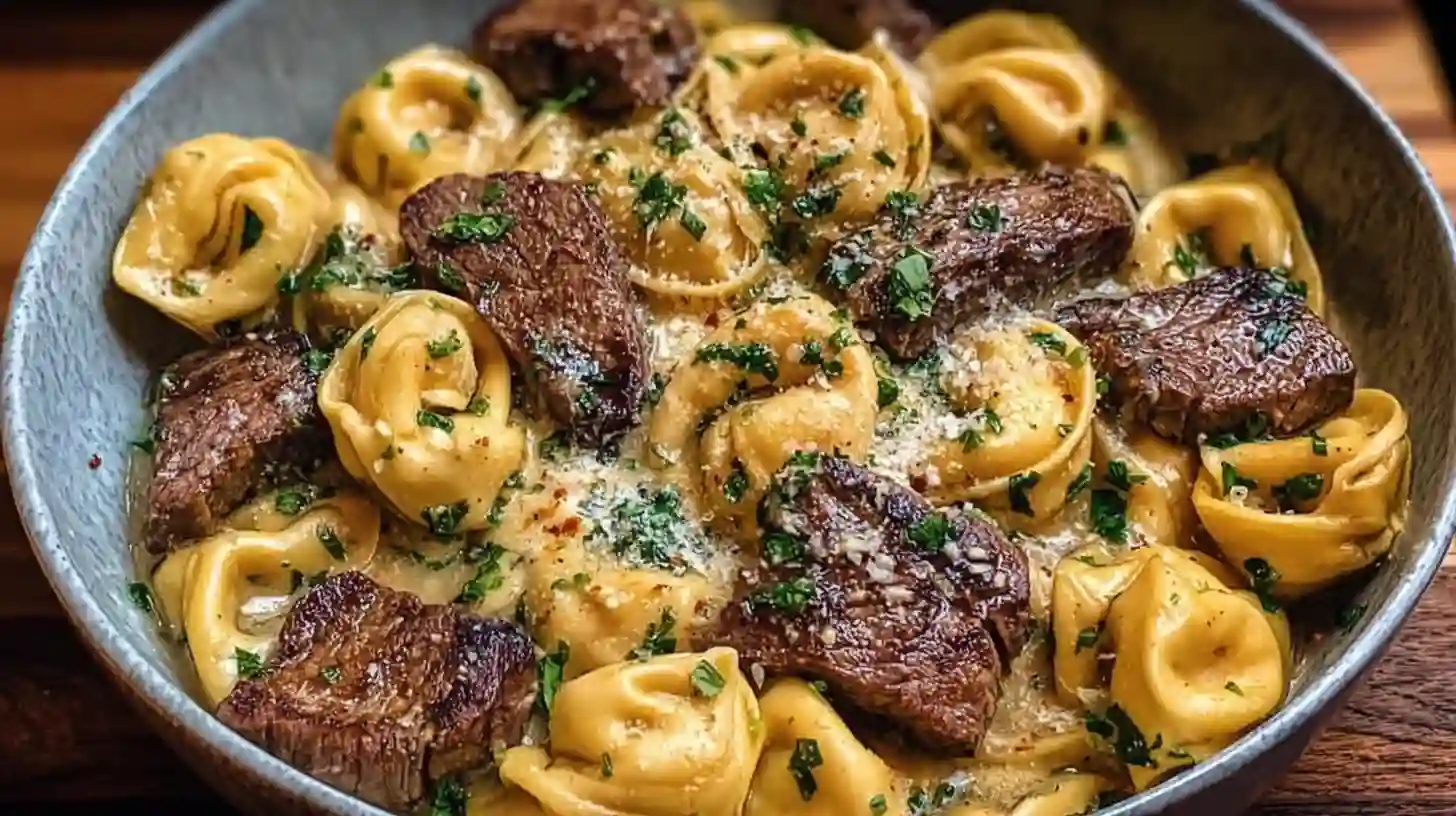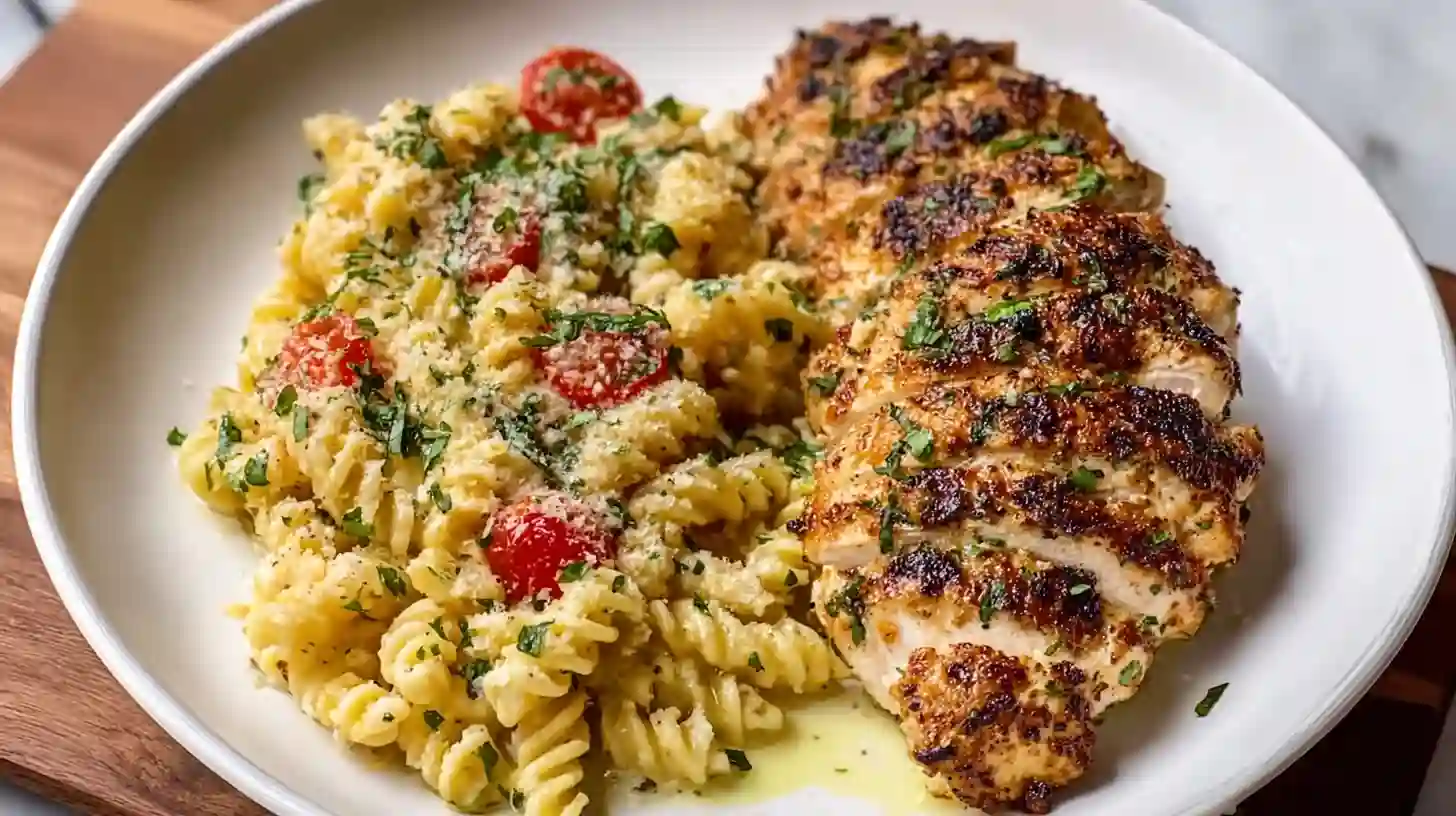

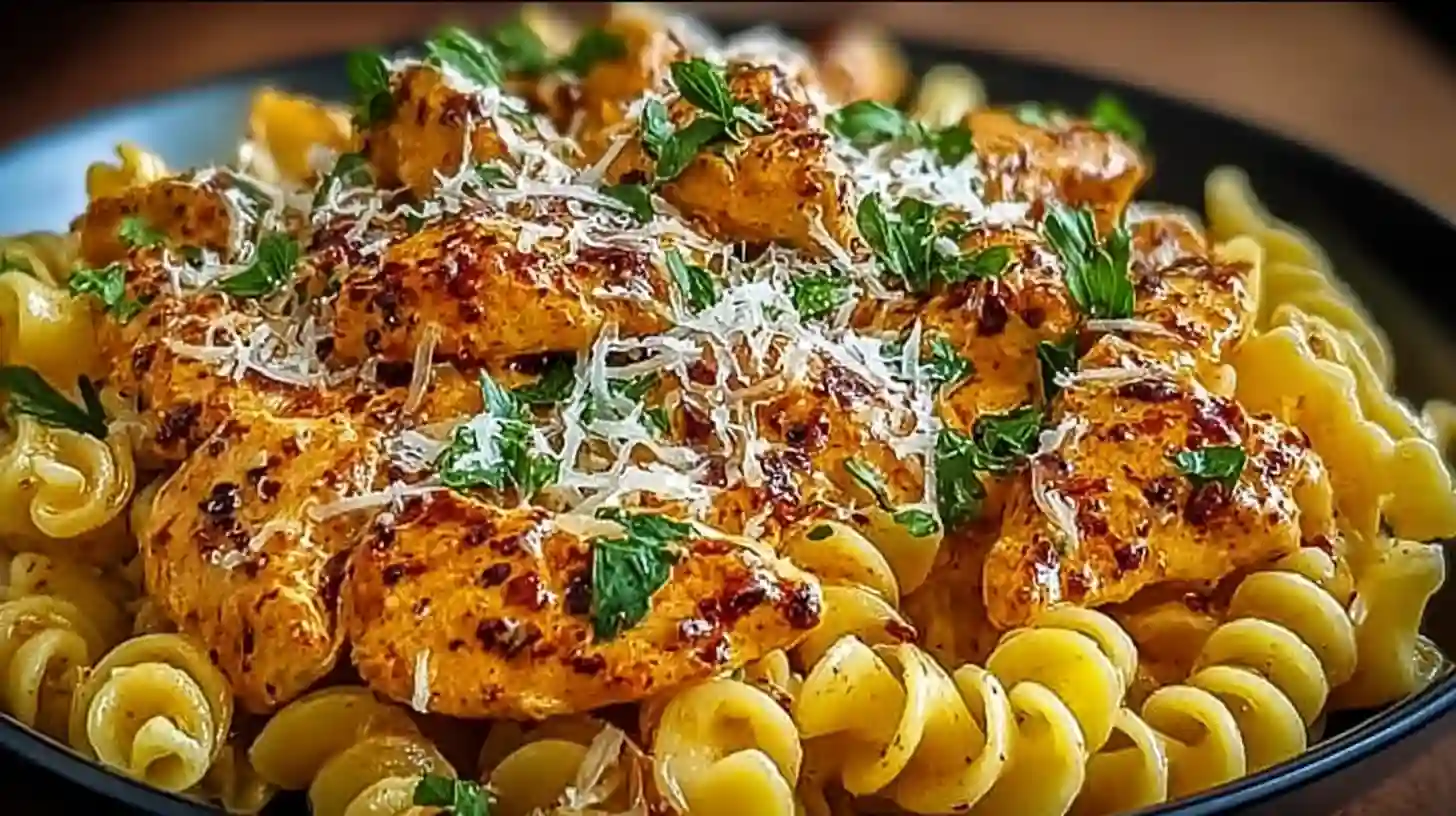
Discover the bold, savory complexity of Cowboy Butter Chicken Pasta, a dish that masterfully bridges the gap between robust steakhouse flavors and comforting weeknight meals.
This guide provides a comprehensive analysis of the culinary techniques required to create a creamy cowboy butter pasta, emphasizing the balance of rich emulsified fats, tangy citrus, and aromatic spices.
Ideal for home cooks seeking a high-protein, flavor-dense dinner solution, this recipe delivers a gourmet experience in under 30 minutes without requiring advanced culinary skills.
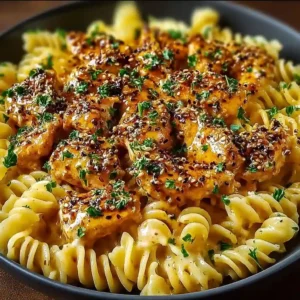
Cowboy Butter Chicken Pasta

Equipment
- Large Pot
- Skillet
Ingredients
Chicken
- 2 boneless, skinless chicken breasts pounded to even thickness and trimmed
Cooking Oil
- 2 tbsp olive oil for searing
Seasoning
- salt to taste for chicken and pasta water
- pepper to taste
Pasta
- 8 oz penne pasta or pasta of your choice, cooked al dente
Butter Sauce
- 4 tbsp unsalted butter divided as needed
- 4 cloves garlic minced finely
- 1 tsp smoked paprika
- 1 tsp dried parsley or 1 tbsp fresh chopped parsley
- 1/2 tsp red pepper flakes optional
- 1/2 cup chicken broth low-sodium preferred
- 1/4 cup freshly grated Parmesan cheese plus extra for serving
Garnish
- fresh parsley chopped for garnish
Instructions
- Cook the pasta: Bring a large pot of salted water to a boil. Add the penne and cook according to package instructions until al dente. Reserve 1/4 cup pasta water, drain, and set aside.
- Season and cook the chicken: Heat olive oil in a skillet over medium-high. Season the chicken with salt and pepper. Cook about 6–7 minutes per side until golden and cooked through. Remove to a plate and let rest.
- Make the cowboy butter sauce: In the same skillet, lower heat to medium and add the butter. Once melted, add the minced garlic and sauté 1–2 minutes until fragrant. Stir in smoked paprika, dried parsley, and red pepper flakes. Pour in chicken broth, scraping up browned bits, and simmer 2 minutes.
- Combine pasta and serve: Add the cooked pasta to the skillet and toss with the sauce, adding reserved pasta water if needed. Slice the rested chicken and arrange over the pasta. Sprinkle with Parmesan and fresh parsley before serving.
Table of Contents
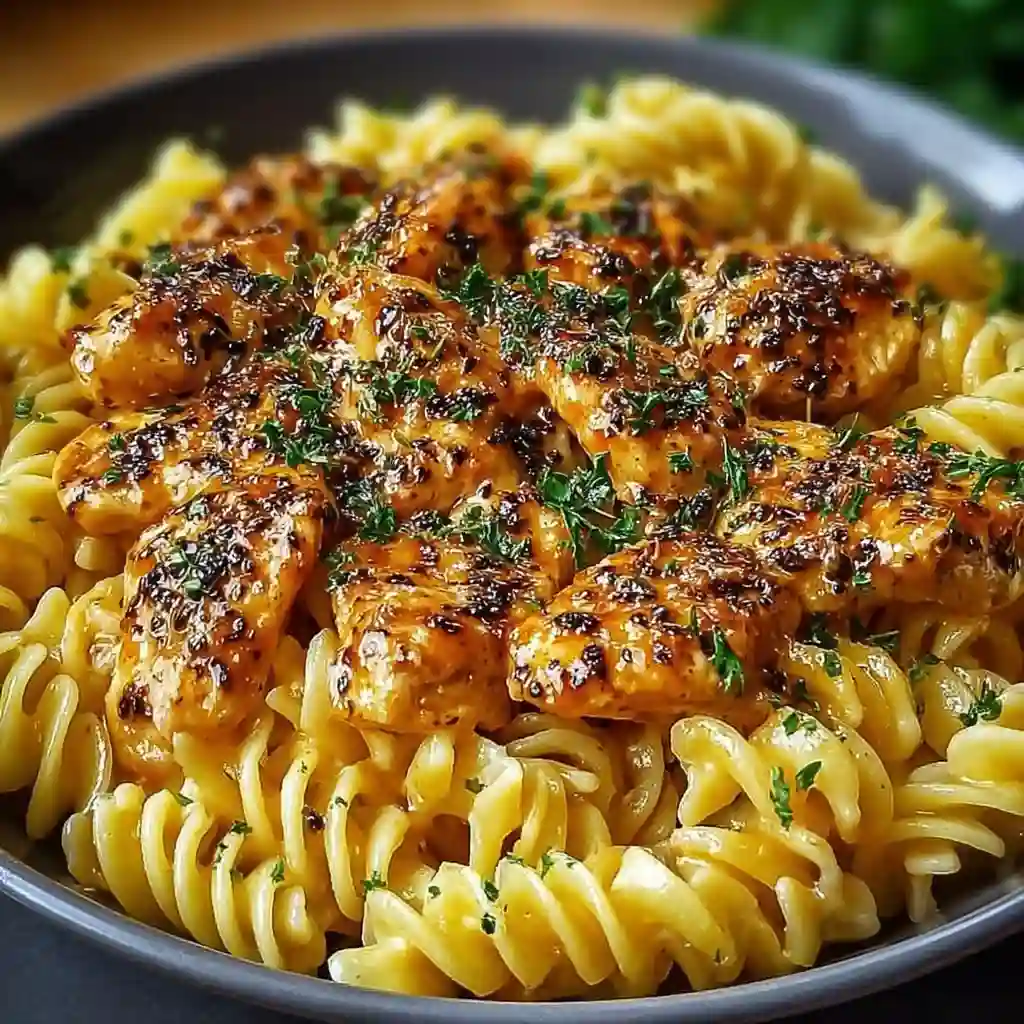
When Steakhouse Flavors Meet Comfort Food
The Craving for “Zesty” Comfort
I still vividly recall the culinary wisdom imparted by my neighbor, Madame Dubois, a stern but affectionate French woman who believed that butter was not merely an ingredient, but a binding agent for the soul.
While she typically adhered to the strict rules of classic French cuisine, I believe even she would have appreciated the audacious balance found in a well-executed cowboy butter chicken pasta recipe.
This dish represents a fascinating intersection where the refined technique of mounting a sauce with butter meets the rugged, unpretentious flavors of the American West. It is not subtle; rather, it is an unapologetic celebration of richness.
The flavor profile is characterized by a specific type of “zesty” comfort a trifecta where the velvety mouthfeel of garlicky butter collides with the sharp acidity of Dijon mustard and the lingering, smoky heat of chili flakes.
The reason Cowboy Butter Chicken Pasta has transcended its origins as a steak accompaniment to become a viral pasta sensation lies in this very complexity. It satisfies the human palate’s desire for fat and salt while providing enough acidic lift to prevent the meal from becoming monotonous.
Why This Recipe Works
In my professional opinion, the success of this dish relies entirely on the principles of balancing distinct flavor sensations: fat, acid, and heat. The foundation of the sauce butter and heavy cream provides a luxurious canvas, but without the correct counterpoints, it would be overwhelmingly heavy.
This is where the specific ingredients of the cowboy butter chicken pasta recipe come into play. The inclusion of lemon juice and mustard cuts through the lipid density, while cayenne and paprika awaken the taste buds, ensuring that every bite offers a dynamic experience.
Furthermore, the practicality of this dish cannot be overstated. Whether you approach it as a one-skillet meal where the pasta finishes in the sauce, or a two-pot powerhouse for volume cooking, it remains accessible.
I have observed that for many families, this dish serves as a sophisticated upgrade to standard Alfredo, transforming a basic Tuesday night dinner into an event. It is precisely why cowboy butter chicken pasta has become a staple in modern home cooking repertoires.
What Exactly is “Cowboy Butter”?
Deconstructing the Viral Condiment
To truly master this dish, one must first understand the etymology and composition of the core component: Cowboy Butter. In culinary terms, it is essentially a beurre composé (compound butter), but one that has been amplified with ingredients typically found in a rancher’s pantry.
Unlike a traditional Maître d’Hôtel butter which relies on parsley and lemon, a cowboy butter pasta recipe demands a bolder hand. The defining characteristics that differentiate it from standard garlic butter are the inclusion of tangy Dijon mustard, lemon zest, and a robust spice blend featuring smoked paprika and cayenne.
These additions lend the butter a “Western” or “Ranch” kick that is undeniably American in spirit. When I prepare this compound base, I ensure the garlic is minced finely enough to melt into the sauce but distinct enough to provide texture.
It is this specific amalgamation of ingredients that allows creamy cowboy butter pasta to stand out in a crowded field of cream-based pasta dishes.
From Dipping Sauce to Pasta Coat
The evolution of Cowboy Butter from a steakhouse dipping sauce to a pasta coating is a testament to the adaptability of modern home cooking. Initially, this butter was designed to melt over a hot ribeye, mingling with the meat juices to create an instant sauce.
However, astute food enthusiasts realized that these same flavor compounds garlic, herbs, and spice pair exceptionally well with starch. Food bloggers and home cooks began experimenting, transforming the solid butter into a creamy cowboy butter chicken pasta recipe by incorporating cream and pasta water to create an emulsion.
The result is a sauce that coats the palate with smoky paprika notes, tangy lemon-Dijon undertones, and a spicy finish from red pepper flakes.
Its versatility is remarkable; while it pairs beautifully with steak, I find that using it as a creamy cowboy butter chicken pasta base allows the nuances of the sauce to shine without competing with the heaviness of red meat. It works equally well with shrimp, but chicken remains the most popular vessel for this rich, savory sauce.
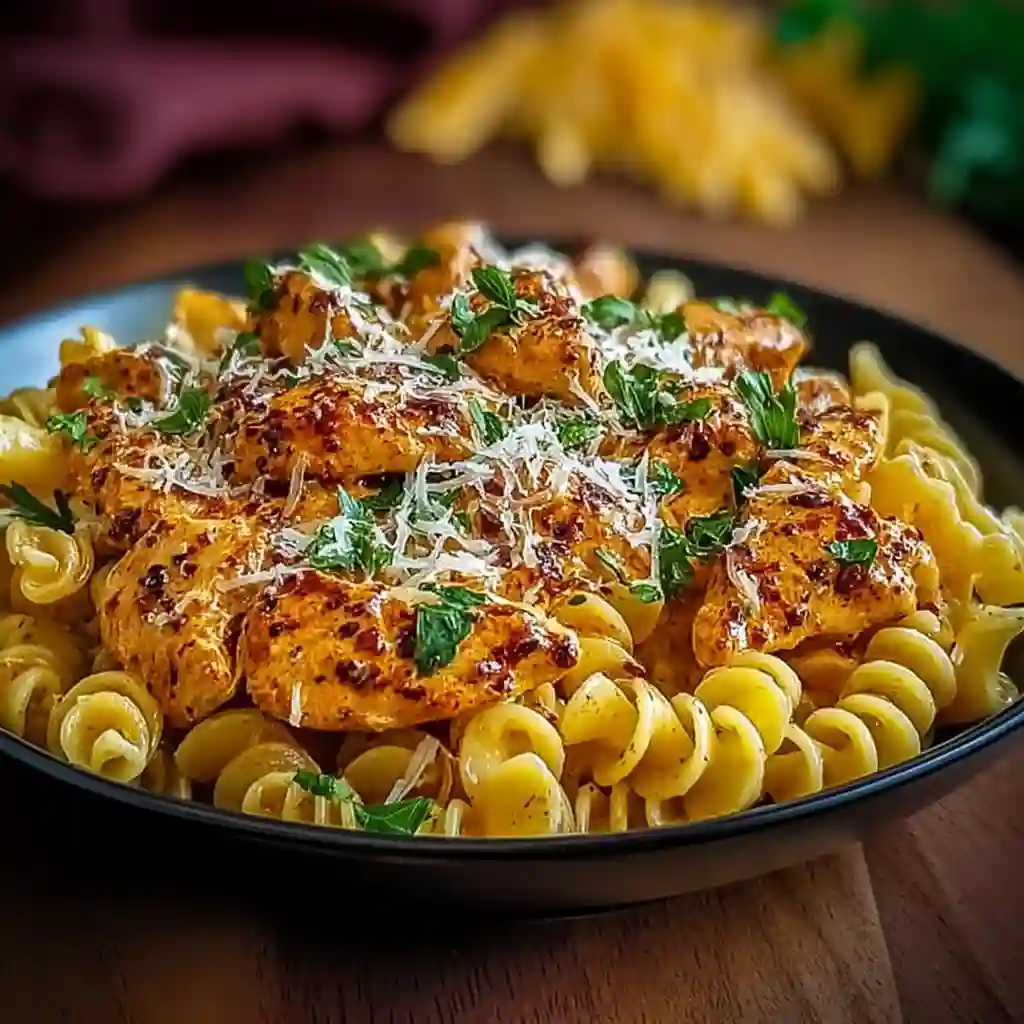
Essential Ingredients for the Perfect Bowl
The Protein: Chicken Preparation
The selection and preparation of the protein are critical steps that often get overlooked in favor of the sauce. For the best results, I recommend using boneless, skinless chicken breasts pounded to an even thickness, or chicken tenderloins for quick cooking.
While some variations, like the easy cowboy butter chicken linguine recipe, might suggest cubing the chicken, I prefer searing whole cutlets to retain moisture. The seasoning of the chicken is paramount; a simple dash of salt is insufficient.
I apply a pre-sear rub consisting of paprika, garlic powder, salt, and black pepper. This builds the first layer of flavor that will eventually become the fond (the browned bits) at the bottom of the pan, which is essential for a deep, flavorful cowboy butter chicken penne recipe.
If you prefer a darker meat with a more forgiving texture, juicy chicken thighs are an excellent alternative that withstands the high heat of searing.
The Star: Cowboy Butter Sauce Components
The sauce is the undisputed protagonist of this narrative, and its integrity depends on the quality of its components. We begin with the fats: unsalted butter is non-negotiable as it allows you to control the sodium level, while heavy whipping cream provides the necessary viscosity for a cowboy butter chicken linguine by ethel style richness.
The aromatics specifically fresh garlic and shallots must be fresh; jarred garlic lacks the pungency required here. For the “kick,” a precise blend of smoked paprika, cayenne pepper, and crushed red pepper flakes is essential to achieve that signature “cowboy” vibe.
Finally, the acidic elements of fresh lemon juice and Dijon mustard act as emulsifiers. I have found that in recipes like the cowboy butter chicken linguine by ethel, the mustard not only adds flavor but helps stabilize the cream and butter mixture, preventing it from breaking into a greasy mess.
Choosing the Right Pasta Shape
The debate over the optimal pasta shape for this sauce is one I have had with many culinary peers.
Long noodles, such as those used in an easy cowboy butter chicken linguine recipe, offer an elegant presentation where the sauce clings to the strands, making for a sophisticated plating. However, short shapes like Penne or Rotini have practical advantages.
Their ridges and hollow centers trap the thick easy cowboy butter chicken pasta sauce and spices, ensuring that every bite delivers a burst of garlic and heat. For a cowboy butter chicken penne recipe, the tube shape is particularly effective at holding the small bits of minced garlic and herbs.
Ultimately, the choice depends on whether you prefer the slurp-ability of linguine or the bite-sized convenience of penne, but both work admirably to convey the creamy cowboy butter chicken pasta recipe to your palate.
Step-by-Step Cooking Instructions
Phase 1: Searing the Chicken
The cooking process commences with heat management. I always utilize a large cast-iron skillet or a heavy-bottomed stainless steel pan to ensure even heat distribution. Instruction on heating the pan is vital: the oil must be shimmering before the chicken touches it.
I cook the chicken in batches to avoid overcrowding the pan, which would cause the temperature to drop and the meat to steam rather than sear.
Achieving a golden-brown crust through the Maillard reaction is essential not just for the chicken’s texture, but for creating the flavorful base for our simple cowboy butter chicken pasta recipe.
Once the chicken reaches an internal temperature of 165°F, I set it aside to rest, allowing the juices to redistribute. This step ensures that your southern living cowboy butter chicken pasta meets the standards of a high-quality meal.
Phase 2: Constructing the Cowboy Butter Base
With the chicken set aside, I reduce the heat to medium and begin constructing the flavor base in the same pan, utilizing the residual chicken fat. I melt the butter and sauté the minced garlic and shallots until they are aromatic and translucent.
The crucial step here is “blooming” the spices. I add the smoked paprika, cayenne, and red pepper flakes directly into the hot fat. This technique extracts the oil-soluble flavor compounds, intensifying the taste profile of the cajun cowboy butter chicken pasta bake.
Once the spices are fragrant, I whisk in the Dijon mustard and fresh lemon juice. This mixture forms a thick, potent paste that smells incredible and serves as the foundation for the best cowboy butter chicken pasta recipe.
Phase 3: Creating the Cream Sauce
To transform this potent butter base into a pasta sauce, I slowly pour in the heavy whipping cream while whisking constantly. This gradual incorporation prevents the sauce from curdling and ensures a smooth, velvet-like consistency.
I allow the mixture to simmer gently; reducing it slightly concentrates the flavors. To thicken the sauce naturally and add a salty, umami depth, I stir in freshly grated Parmesan cheese. It is important to avoid pre-shredded cheese, as the anti-caking agents can create a gritty texture.
At this stage, you are looking for a consistency that coats the back of a spoon, typical of a cowboy butter chicken and pasta sauce. This creamy element balances the heat from the spices used in the cowboy garlic butter chicken pasta tortellini.
Phase 4: The Final Toss
The final phase is where the dish truly comes together. I return the cooked, al dente pasta to the skillet, along with the sliced chicken and any accumulated juices from the resting plate.
I firmly believe in the magic of reserved pasta water; adding a splash of this starchy liquid helps glossy up the sauce and bind it to the noodles.
I toss everything vigorously to ensure that the cowboy butter chicken and pasta is evenly coated. The result should be a cohesive, rich dish where the pasta and protein are unified by the sauce.
Finally, I garnish generously with fresh chopped parsley and perhaps an extra squeeze of lemon to brighten the cowboy garlic butter chicken pasta tortellini right before serving.
Tips for Customization and Success
Adjusting the Heat Level
One of the greatest attributes of this recipe is its adaptability regarding spice levels. For families with younger children or those sensitive to heat, I recommend making a cowboy butter chicken pasta no cream variation on the spice blend simply reduce the cayenne and omit the red pepper flakes entirely.
The “Cowboy” flavor profile will still shine through the robust combination of garlic, lemon, and mustard. Conversely, if you prefer a “Spicy Cowboy” experience, you can amplify the heat by adding diced jalapeños to the sauté step or incorporating extra hot sauce into the butter base.
I have seen versions like the cowboy butter chicken pasta bake where the heat is dialed up significantly to contrast with a melted cheese topping. Whether you are making cowboy butter chicken pasta southern living style or a spicier variant, control is in your hands.
Vegetable Add-Ins
While the protein and carbs are the main attraction, incorporating vegetables can turn this into a nutritionally complete one-pot meal.
I frequently add fresh spinach during the final minute of cooking; it wilts quickly in the hot sauce without requiring extra pans. Roasted broccoli or asparagus are also excellent additions that provide texture and earthy flavors.
I have noted that including cherry tomatoes adds a burst of acidity that cuts through the richness, similar to the balance found in a cowboy butter chicken pasta bake recipe.
Using One-pot chicken pasta variations that include bell peppers can also give the dish a “fajita” twist, further enhancing the cowboy butter chicken pasta linguine experience with added fiber and vitamins.
Dietary Swaps
For those with specific dietary requirements, this recipe is surprisingly flexible. To make it gluten-free, simply use a high-quality corn or rice blend pasta and verify that your Dijon mustard is certified gluten-free.
For a Keto or low-carb option, serving the Cowboy Butter Chicken over zucchini noodles (“zoodles”) or mashed cauliflower instead of traditional pasta is a delicious alternative.
I have also experimented with a cowboy butter chicken pasta no cream version by using chicken broth and extra butter to create a lighter, albeit less creamy, sauce. Even in a cowboy butter chicken pasta bake recipe, low-carb pasta substitutes can be used successfully.
The versatility extends to the cowboy butter chicken pasta linguine format as well, where shirataki noodles can be a viable substitute for drastic carb reduction.
Storage, Reheating, and Serving Suggestions
What to Serve with Cowboy Butter Pasta
Given the decadent nature of this dish, choosing the right side dishes is essential for a balanced meal.
I invariably serve Dinner Ideas Savory like this with a side that cuts the richness, such as a crisp green salad tossed in a sharp vinaigrette or simply roasted asparagus with lemon.
These acid-forward sides cleanse the palate between bites of the creamy pasta. However, for those who want to lean into the comfort food aspect, garlic bread or a crusty baguette is indispensable for mopping up the excess spicy garlic butter sauce.
When I prepare Recipes Pasta Easy, I often look for sides that require minimal effort but deliver maximum freshness to contrast with Rich Pasta Dishes.
Storing Leftovers
If you find yourself with leftovers which is rare in my household proper storage is key to maintaining quality.
I store the pasta in an airtight container in the refrigerator, where it will keep for 3 to 4 days. It is important to note that because this is a butter and cream-based emulsion, the sauce may separate slightly or thicken significantly when cold.
This is normal for Meals Pasta of this nature. Whether you are storing a Cowboy Butter Pasta Recipe or a Dutch Oven Chicken Pasta, the fat content will solidify, making the pasta appear dry until it is reheated.
This makes it an excellent option for Meals For Blue Collar Men who need a hearty lunch, provided they have access to a way to reheat it properly.
Reheating Secrets
Reheating cream-based pasta requires a gentle touch to prevent the sauce from breaking into a greasy pool. My preferred stovetop method involves placing the pasta in a skillet over low heat and adding a splash of water, milk, or chicken broth.
As the pasta warms, I stir gently to re-emulsify the creamy sauce, restoring its original velvety texture. If I must use a microwave, I heat the Cowboy Butter Steak Pasta leftovers in short bursts of 30 seconds, stirring frequently in between to ensure even heating.
This patience prevents the proteins in the cream from seizing. These techniques apply whether you are reheating a cowboy butter chicken pasta recipe or any other Rich Pasta Dishes.
More easy Recipes To Try!
Zesty Shrimp And Avocado Rice Bowls
Frequently Asked Questions
What is cowboy butter made of?
In my research of common inquiries, I found that Cowboy Butter is fundamentally a compound butter consisting of softened unsalted butter mixed with minced garlic, Dijon mustard, lemon zest and juice, smoked paprika, cayenne pepper, red pepper flakes, and fresh herbs like parsley and chives.
It is this specific combination that I use in my cowboy butter chicken pasta crockpot variations. The ingredients are simple staples, but when combined, they create a complex flavor profile that elevates simple proteins.
I have even seen people use this base for a cowboy butter chicken pasta video tutorial because the visual transformation of the ingredients is so satisfying.
Why is it called cowboy butter?
The moniker “Cowboy Butter” likely stems from its traditional pairing with “cowboy cuts” of steak, such as bone-in ribeyes, which are popular in Western American cuisine.
The flavor profile utilizes rustic, bold, and “western” ingredients like chili powder and herbs that are evocative of ranch-style cooking. It is a rugged, hearty sauce that stands up to strong flavors. When adapted into a chicken cowboy butter pasta, it retains that bold spirit.
The name suggests a heartiness that appeals to those looking for substantial meals, like the cowboy butter chicken bowtie pasta which is a favorite among comfort food lovers.
What does cowboy butter taste like?
Cowboy butter tastes like a significantly elevated garlic butter. It is rich, savory, and unctuous from the fat, but it possesses a distinct tangy and spicy kick that cuts through the richness.
The lemon and mustard provide a brightness that standard garlic butter lacks, while the paprika adds a subtle smokiness.
It is this multi-dimensional flavor that makes creamy cowboy butter chicken pasta recipe so addictive. The heat is present but not overwhelming, warming the back of the throat. It is a flavor profile that has led many to declare, “this cowboy butter chicken pasta has no business being this good.”
Can I use milk instead of heavy cream?
Yes, you can use milk, but with caveats. Because milk has a lower fat content, it will not reduce into a thick sauce as easily as heavy cream.
If I substitute milk in my cowboy butter chicken penne pasta, I typically create a slurry with cornstarch or use a roux to achieve the desired thickness. Alternatively, adding more Parmesan cheese can help thicken the sauce.
However, for the most authentic and luxurious cowboy garlic butter chicken pasta experience, heavy cream is superior. Using milk might result in a thinner sauce more similar to a cowboy garlic butter chicken pasta tortellini broth than a coating sauce.
Even variations like easy cowboy butter chicken pasta benefit from the stability of high-fat cream.
Conclusion
Wrap Up
Cowboy Butter Chicken Pasta is the ultimate comfort food that successfully brings excitement back to the standard chicken dinner rotation.
It is a dish that proves you do not need hours in the kitchen to create something that tastes like it came from a high-end bistro.
The combination of the “zesty” cowboy butter base with the comforting cream and pasta creates a meal that is both sophisticated and satisfyingly rustic.
I encourage you to pin this cowboy butter chicken pasta recipe for your next date night or busy weeknight; it is a culinary ace up your sleeve that never fails to impress.
For those who follow lili cooks cowboy butter chicken linguine or similar trends, this comprehensive guide offers the depth needed to perfect the dish.