
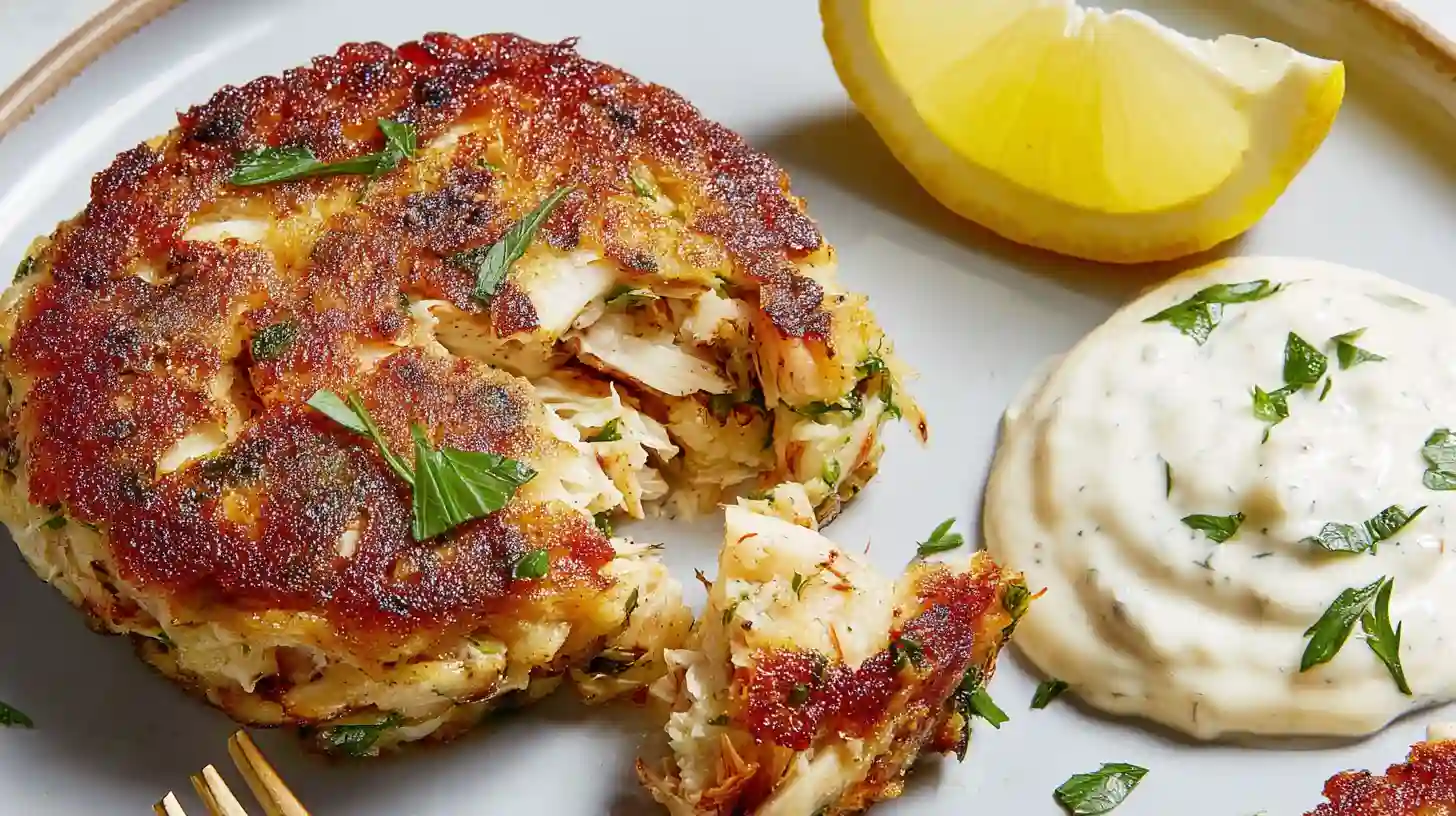
Mastering the perfect crab cake recipe transforms a simple seafood dinner into a culinary masterpiece. This guide provides a comprehensive analysis of authentic preparation methods, focusing on the delicate balance of high-quality lump crab meat and minimal filler.
By understanding the distinct textures of premium ingredients and the science behind proper binding agents, home cooks can achieve a restaurant-quality result that rivals the best crab cakes recipe found in coastal establishments. Whether you prefer to fry, bake, or air-fry, this article offers essential techniques, ingredient selection tips, and serving suggestions to elevate your dining experience.
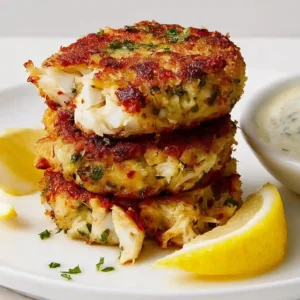
crab cake recipe

Equipment
- Large Skillet
- Mixing bowls
Ingredients
- 1 large egg beaten to blend
- 1/3 cup mayonnaise
- 2 Tbsp Dijon mustard
- 2 tsp Worcestershire sauce
- 1/2 tsp hot sauce
- Kosher salt to taste
- Freshly ground black pepper to taste
- 1 lb jumbo lump crabmeat picked through
- 3/4 cup panko breadcrumbs or crushed saltines
- 2 Tbsp finely chopped fresh parsley
- Canola oil for drizzling in the skillet
- Lemon wedges for serving
- Tartar sauce for serving
Instructions
- In a small bowl, whisk egg, mayonnaise, Dijon mustard, Worcestershire sauce, and hot sauce; season with kosher salt and freshly ground black pepper.
- In a medium bowl, stir together the jumbo lump crabmeat, panko breadcrumbs, and finely chopped parsley.
- Fold the egg mixture into the crab mixture until well combined, then form into 8 patties.
- Drizzle a large skillet with canola oil and swirl to coat. Heat over medium-high until shimmering.
- Working in batches, cook the crab cakes, flipping halfway through, until golden and crispy, about 3 to 5 minutes per side.
- Transfer to a platter and serve hot with lemon wedges and tartar sauce on the side.
Notes
Table of Contents
Why This is the Best Crab Cake Recipe
The Allure of the Perfect Crab Cake
In my culinary explorations, few dishes evoke the sense of coastal luxury quite like a perfectly executed crab cake. I recall vivid afternoons spent with my neighbor, Madame Dubois, a discerning French gastronome with an impeccable palate.
While she often championed the complex sauces of her homeland, she held a deep respect for the American tradition of the crab cake. We would sit in her sunlit kitchen, debating the merits of various crab cakes recipes.
She insisted that the allure lies in the sensory experience: the golden-brown crust that shatters upon contact, revealing the sweet, tender meat within, perfectly seasoned with savory aromatics. It was through these sessions that I realized the crab cakes recipe is not just about ingredients; it is about respecting the integrity of the seafood. It is a dish that balances rustic comfort with elegant sophistication, making it a timeless favorite for any seafood lover.
Defining “Maryland Style”
When we discuss maryland crab cakes, we are referring to a gold standard of preparation that is rigorously defended by traditionalists. The definition of a true Maryland-style cake is specific: it must be heavy on the crab and remarkably light on the filler.
Unlike other regional variations that might resemble a bread fritter, maryland crab cakes showcase the protein as the undisputed star. The cultural significance of the Chesapeake Bay cannot be overstated here; it is the spiritual home of the blue crab.
Furthermore, the flavor profile is inextricably linked to Old Bay seasoning, a spice blend that provides the signature warmth and depth associated with the region. This style rejects the inclusion of bell peppers or heavy vegetables inside the cake, ensuring that nothing distracts from the sweet, briney flavor of the meat.
What You Will Learn in This Guide
In this detailed guide, I will share the insights I have gathered to help you create the best crab cakes recipe in your own kitchen. We will move beyond the basics and delve into the nuance of selecting the correct grade of meat deciphering the difference between jumbo lump and backfin.
You will learn the importance of the binder and why temperature control is critical to preventing your cakes from falling apart. Whether you are looking for Seafood Appetizers Easy enough for a weeknight or planning a sophisticated dinner party, this guide covers the entire spectrum of preparation.
We will also address modern cooking methods, answering the common query of how to execute crab cakes in air fryer setups versus traditional frying. By the end of this article, you will possess the knowledge to execute this dish with confidence.
The Anatomy of a Perfect Crab Cake Recipe
The “Binder”: The Glue That Holds It Together
The structural integrity of a crab cake relies heavily on the “binder,” a component that acts as the culinary glue. In my experience, a mixture of high-quality mayonnaise and egg is the most effective agent for this purpose.
When developing Homemade Crab Cakes, the choice of mayonnaise matters; brands like Duke’s or Hellmann’s provide the necessary emulsification and rich mouthfeel without overpowering the crab. The protein in the egg coagulates during cooking, setting the cake and ensuring it holds its shape. If you attempt how to make crab cakes without a sufficient binder, you will end up with a loose pile of warm crab meat.
However, the balance is delicate; too much binder results in a heavy, rubbery texture. The goal is to barely coat the meat, providing just enough adhesion to keep the Homemade Crab Cakes intact while flipping.
The “Filler”: Panko vs. Saltines vs. Breadcrumbs
The debate over filler is perhaps the most contentious aspect of crab cakes recipes. While “no filler” sounds appealing in theory, a minimal amount of starch is chemically necessary to absorb moisture and bind the fats.
I prefer using Panko breadcrumbs for crab cakes because their flaky texture creates a lighter interior compared to dense dried breadcrumbs. However, traditionalists often swear by crushed saltine crackers, which add a buttery, salty dimension that pairs beautifully with the seafood. Soft white breadcrumbs are another option, offering a smoother interior.
Even if you are looking for crab cakes gluten-free options, crushed gluten-free crackers work remarkably well. The key takeaway is that the filler should be a background note, never the dominant flavor. It serves a structural purpose in crab cakes, ensuring the moisture remains locked inside the patty.
The Flavor Profile: Seasonings and Aromatics
The flavor profile of a superior crab cake is built upon a holy trinity of seasonings: Dijon mustard, Worcestershire sauce, and Old Bay Seasoning. These ingredients provide the umami backbone that elevates the natural sweetness of the crab.
When I prepare crab cake sauce to mix into the meat, I ensure the mustard provides a sharp tang to cut through the richness of the mayonnaise. Worcestershire sauce adds a deep, savory complexity that mimics the depth found in beef dishes but works surprisingly well with seafood. For those who enjoy a bit of heat, a dash of cayenne or hot sauce is a welcome addition, though it should be subtle. Fresh parsley brings a herbaceous brightness to the mixture.
This combination is essential whether you are making thai crab cakes with a twist or sticking to the classics. The crab cake sauce used within the binder is what distinguishes a flavorful cake from a bland one.
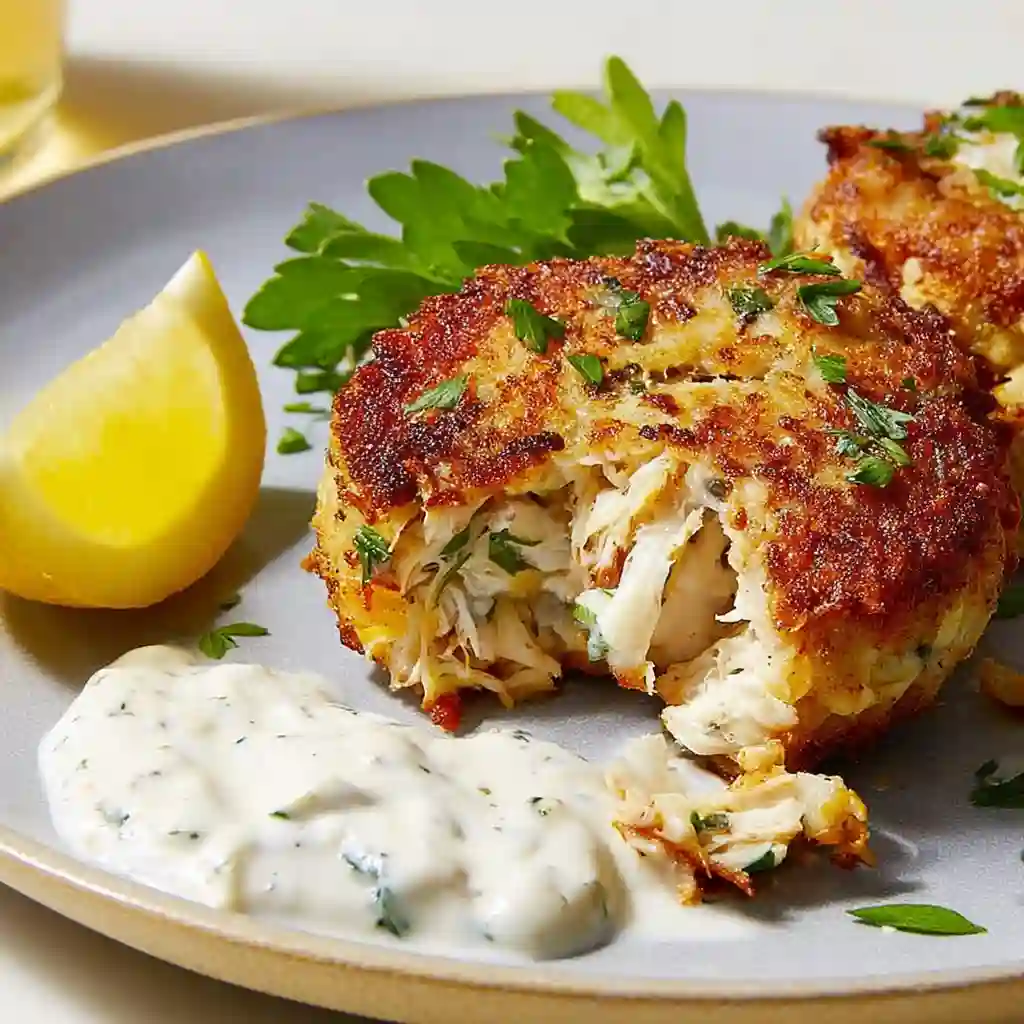
Selecting the Right Crab Meat
What is a Crab Cake Made Of? Understanding Grades
To truly understand what is a crab cake made of, one must navigate the grading system of crab meat. The premium choice is undoubtedly Jumbo Lump, consisting of large, whole muscles from the swimming legs.
These pieces are visually stunning and provide a satisfying, meaty bite that is essential for high-end Lump Crab Meat Recipes. Below this is “Lump” meat, which consists of broken jumbo pieces; this is often the most pragmatic choice for home cooks as it offers excellent flavor at a more accessible price point.
Backfin is a mixture of broken lump and smaller flakes, which works well for binding but lacks the distinct texture of the higher grades. Claw meat, while darker and sweeter with a stronger flavor, is often reserved for soups, but I sometimes mix a small amount into Crab Meat Recipes to boost the overall savory profile. Understanding these grades ensures you get the best value for your money.
Fresh vs. Canned vs. Pasteurized
The source of your crab meat dramatically impacts the final result of your Crabmeat Recipes. I always advocate for fresh, refrigerated tubs of pasteurized crab meat over the shelf-stable cans found in the tuna aisle.
The “fresh” tubs found on ice at the seafood counter retain the sweet, delicate flavor of the ocean, whereas shelf-stable versions can sometimes have a metallic or overly processed taste. Regardless of the source, a critical step in all Crabmeat Recipes is “picking” the meat.
This involves gently spreading the meat out on a baking sheet and checking for bits of shell or cartilage. There is nothing worse than biting into a piece of shell while enjoying a Crab Cake Dinner. This attention to detail is what separates a home cook from a professional chef.
Blue Crab vs. Dungeness vs. Snow Crab
While the Atlantic Blue Crab is the traditional and perhaps most revered choice for this dish, other varieties can be used successfully. Dungeness Crab Recipes are popular on the West Coast and offer a slightly sweeter, brinier flavor profile that is distinct from the Blue Crab.
Dungeness meat is often widely available in the Pacific Northwest and makes for a fantastic alternative. Snow crab can also be used, though its texture is stringier and requires more care when mixing. However, if you are striving for that authentic Maryland experience, Blue Crab is the requisite protein.
That said, culinary creativity allows for experimentation, and I have had delicious results adapting Dungeness Crab Recipes using the same binding techniques. Ultimately, the freshness of the product is more important than the specific species.
The Secret to the Best Crab Cake
What is the Secret to the Best Crab Cake?
You might ask, what is the secret to the best crab cake? In my opinion, it comes down to a technique known as “gentle folding.” Once the binder is prepared, the crab meat must be added with extreme care. If you overmix, you break the expensive jumbo lumps into shreds, resulting in a dense, tuna-salad-like consistency.
The secret is to use a rubber spatula and fold the mixture just until combined, preserving those beautiful chunks of meat. This technique is often highlighted in famous guides, such as the Bobby Flay Crab Cakes Recipe, which emphasizes texture above all else.
Another aspect of the secret is resisting the urge to pack the patties tightly. They should be just cohesive enough to hold together, keeping the interior airy and light. This delicate handling is the hallmark of the best crab cakes.
The Crucial Chilling Step
One step that is often overlooked in Simple Crab Cakes Recipe instructions is the chilling period. After forming the patties, it is imperative to refrigerate them for at least 30 minutes, ideally an hour. This resting period allows the panko or crackers to absorb excess moisture from the binder, effectively firming up the cake without adding more filler.
This implies that the Homemade Crab Cakes Steps must include patience. If you skip this step and throw room-temperature cakes into a hot pan, they are likely to disintegrate. This is the difference between a cake that holds its beautiful puck shape and one that crumbles into a hash. Chilling is the professional insurance policy for your dinner.
The Ratio Rule
Achieving the perfect ratio of meat to binder is critical to avoiding the “bready” texture that plagues many crab cakes restaurant chains. The general rule of thumb is approximately one pound of crab meat to one-half cup of binder (mayonnaise mixture) and about half a cup of filler. This ensures that the crab remains the dominant flavor and texture.
When I see crab cakes restaurant menus, I often wonder about their ratios, as many use excessive breading to cut costs. By cooking at home, you control this variable. Adhering to this ratio ensures that your crab cakes are luxurious and protein-forward, delivering the decadence that this dish is known for.
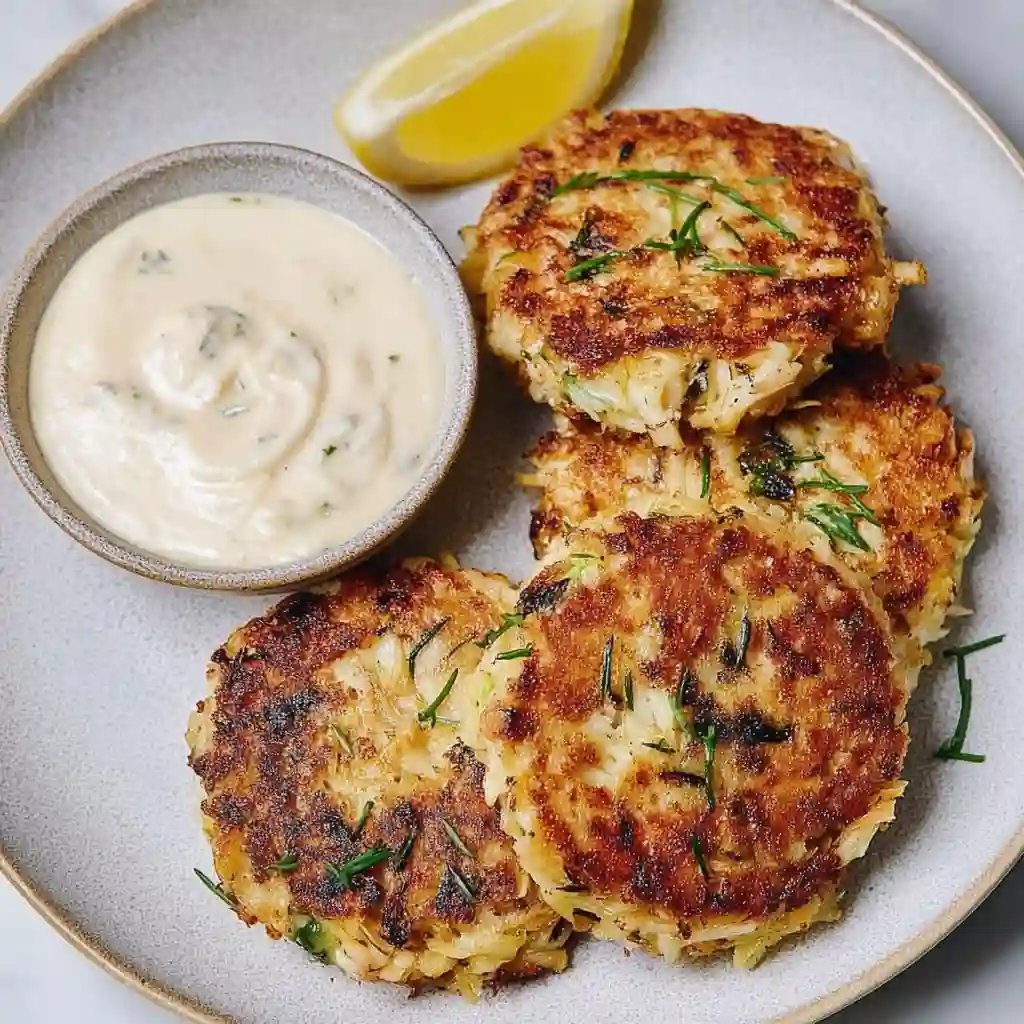
Step-by-Step Preparation Instructions
Step 1: Preparing the Binder Sauce
To begin how to cook crab cakes, we start by creating the flavor base. In a small bowl, whisk together the egg, mayonnaise, Dijon mustard, Worcestershire sauce, hot sauce, and seasonings. It is crucial to ensure this mixture is smooth and homogenous before it ever touches the crab.
This pre-mixing prevents pockets of plain mayonnaise or streaks of egg in the final product. I have found that this method is far superior to dumping all ingredients into a bowl at once. This binder is essentially a potent sauce for crab cakes that cooks inside the patty, infusing every bite with flavor. This step is the foundation of maryland crab cakes.
Step 2: Incorporating the Crab
Once the liquid binder is ready, place your picked crab meat and panko breadcrumbs in a large mixing bowl. Pour the binder over the top. Using a large spatula, gently fold the ingredients together. Imagine you are folding a soufflé; you want to be that gentle. This technique is central to Crabcakes Recipe Maryland traditions.
Ensure that the wet mixture evenly coats the dry ingredients and the crab, but stop mixing the moment it looks combined. This process ensures that when you bite into the finished product, you encounter distinct, large pieces of succulent crab. This method applies whether you are making a Crab Pie Recipe or individual cakes.
Step 3: Shaping the Patties
For shaping, I recommend using a measuring cup to portion the mixture, ensuring even cooking. A 1/2 cup measure makes for a substantial entrée size. Gently cup the mixture in your hands to form a mound, patting it lightly into a thick disc.
Do not compress it like a hamburger; keep it somewhat loose. If you are following Homemade Crab Cakes Steps, this is where the visual appeal begins. Place the formed patties on a baking sheet lined with parchment paper. If you are making crab cakes near me style appetizers, you can make them smaller, but the gentle touch remains the same. This is also the stage to prepare them if you are planning a Crab Pie Recipe instead of patties.
Step 4: The Final Rest
As previously mentioned, transfer the baking sheet with the formed patties to the refrigerator. Cover them loosely with plastic wrap. This rest period is vital for the Crabcakes Recipe Maryland success rate. It allows the flavors to meld and the structure to solidify. During this time, you can prepare your side dishes or sauces.
I often use this downtime to search for inspiration on crab cakes stardew or other fun cultural references to entertain my guests with trivia, but the culinary focus remains on the chilling process. This step makes how to cook crab cakes much easier when you finally move to the heat source.
Cooking Methods: Is it Better to Fry or Bake Crab Cakes?
Pan-Frying: The Path to a Crispy Crust
If you ask how to cook crab cakes for the most traditional result, pan-frying is the answer. I prefer using a mixture of oil and a non-dairy butter alternative (to keep it Kosher-style or dairy-free if needed) to achieve a golden crust.
Heat a large skillet over medium-high heat. Crab Cakes Cooking In A Pan requires vigilance; you want the oil to shimmer but not smoke. Carefully place the cakes in the pan, ensuring they are not crowded. Cook for about 3 to 4 minutes per side until they are deeply golden brown. Flipping them requires confidence and a wide spatula. This method delivers the contrast of a crunchy exterior and a creamy interior, which is why Crab Cakes Cooking In A Pan remains the favorite method for purists.
Baking / Broiling: The Healthier, Hands-Off Approach
For those cooking for a crowd or seeking a lighter option, baked crab cakes are a fantastic alternative. Preheat your oven to 400°F (200°C). Place the chilled cakes on a lightly oiled baking sheet. Brush the tops with a little melted butter or oil to encourage browning. Baked crab cakes usually take about 12-15 minutes to cook through.
To mimic the crust of a fried cake, you can switch the oven to broil for the last minute of cooking. This method is less messy and allows you to cook more cakes at once. I also find that crab cakes baked in the oven hold their shape slightly better if the mixture was a bit loose.
Air Fryer Crab Cakes
The modern kitchen often utilizes the air fryer, and for good reason. Air fryer crab cakes are incredibly consistent and require significantly less oil. Preheat your air fryer to 375°F. Spray the basket and the cakes generously with cooking spray to ensure they brown rather than dry out. Cook them for approximately 8-10 minutes.
The circulating hot air creates a crisp exterior that rivals deep frying. When people ask crab cakes in air fryer versus oven, I often recommend the air fryer for smaller batches due to the superior texture it produces. Whether you choose air fryer crab cakes or traditional methods, the internal temperature should reach 165°F.
Part 7: Serving Suggestions and Pairings
Sauces: Tartar, Remoulade, and Aioli
A great cake deserves a great sauce. While purists might stick to lemon, a Remoulade Sauce Recipe Crab Cakes pairing is classic. Remoulade, with its base of mayonnaise, mustard, capers, and herbs, cuts through the richness of the crab.
I also enjoy making a quick crab cakes with remoulade sauce by blending pickles and paprika into the base. Alternatively, a garlic aioli or a simple homemade tartar sauce works wonders. The key is to ensure the sauce for crab cakes complements rather than masks the delicate seafood flavor. Even if you are serving crab cakes gluten free, the sauce plays a major role in the dish’s success.
What to Serve with Crab Cakes
When planning what to serve with crab cakes, balance is key. Because the cakes are rich, acidic or fresh sides work best. A crisp vinegar-based coleslaw, corn on the cob, or a bright green salad with vinaigrette are excellent choices. For a heartier Crab Cake Dinner, roasted asparagus or potatoes are delightful.
In the summer, sliced heirloom tomatoes or a cucumber salad provide a refreshing counterpoint. Whether you are serving crab cakes gluten-free or regular, the sides should add texture and color to the plate. The question of what to serve with crab cakes is ultimately answered by seasonal availability.
What Does Crab Cake Taste Like?
For the uninitiated asking what does crab cake taste like, it is a harmonious blend of the ocean’s sweetness and savory culinary craftsmanship. The primary flavor is the crab meat itself sweet, slightly mineral, and tender.
This is accented by the piquancy of the mustard and the warmth of the spices. The texture offers a crunch from the crust followed by a melt-in-your-mouth interior. It is savory, rich, and comforting. When executed well, like in a Bobby Flay Crab Cakes Recipe or this guide, it is neither fishy nor bland, but rather a sophisticated umami bomb.
Troubleshooting and Storage
Why Do My Crab Cakes Fall Apart?
A common issue home cooks face is disintegration. If you find yourself asking why your Simple Crab Cakes Recipe failed, it is likely due to excess moisture or insufficient binding. Using “wet” vegetables or not draining the crab meat properly can cause this. Another culprit is skipping the refrigeration step.
If your cakes are falling apart, try adding a small amount of additional panko to the mixture, or ensure your binder ratio is correct. Understanding How To Cook Store Bought Crab Cakes can also be tricky, as they often contain different stabilizers, but for homemade versions, temperature and binder are the controlling factors.
Freezing and Reheating Instructions
Crab cakes are surprisingly freezer-friendly. To freeze, place the uncooked formed patties on a baking sheet and flash freeze until solid. Then, transfer them to a freezer bag. This makes Seafood Appetizers Easy to have on hand for impromptu gatherings. When ready to eat, thaw them in the refrigerator overnight before cooking.
For reheating leftovers, avoid the microwave, which makes them rubbery. Instead, reheat crab cakes costco style or homemade ones in a toaster oven or skillet to revive the crisp crust. Knowing how to cook crab cakes a second time is just as important as the first.
More easy Recipes To Try!
Frequently Asked Questions (FAQs)
What is the secret to the best crab cake?
The secret lies in using Jumbo Lump crab meat, minimizing filler (using just enough to bind), and handling the mixture gently to preserve the large chunks of meat. The best crab cakes are those where the crab is the undeniable star, not the breading.
What does crab cake taste like?
A high-quality crab cake tastes primarily of sweet, fresh crab meat with a buttery richness, accented by tangy mustard, savory Worcestershire, and a hint of spice from Old Bay, all encased in a crispy golden crust. It is the epitome of a savory Crab Recipes Dinner.
What is a crab cake made of?
It typically consists of lump crab meat, a binder (mayonnaise and egg), a filler (panko, saltines, or breadcrumbs), and seasonings (mustard, Worcestershire, herbs, and spices). Variations like Crab Imperial Recipes might add other creamy elements, but the core components remain the same.
Is it better to fry or bake crab cakes?
Pan-frying in butter or oil creates the best crispy exterior, which many prefer. However, baking or broiling is easier for large batches and healthier as it requires less oil. If you are looking for crab cakes calories reduction, baking or air frying is the way to go.
Can I prepare crab cakes in advance?
Yes, shaping the patties and refrigerating them for up to 24 hours before cooking actually improves their texture and prevents them from falling apart. This makes them ideal for meal prep.
Where can I find good crab cakes if I don’t want to cook?
While homemade is best, many people search for crab cakes near me or visit a local crab cakes restaurant. In some areas, you might even find best crab cakes in baltimore shipped directly to your door.
Wholesale clubs also offer options; crab cakes costco brand are popular for quick meals. However, making them yourself ensures you control the ingredients, especially if you need crab cakes gluten free.
Search Trends and Pop Culture Note: Whether you are looking for crab cakes stardew valley inspiration for your virtual farm or searching for thai crab cakes for a fusion twist, the versatility of the crab cake ensures it remains a global favorite.
For those seeking convenience, knowing How To Cook Store Bought Crab Cakes or finding the best crab cakes near me is useful, but nothing beats the satisfaction of the homemade version detailed above.