
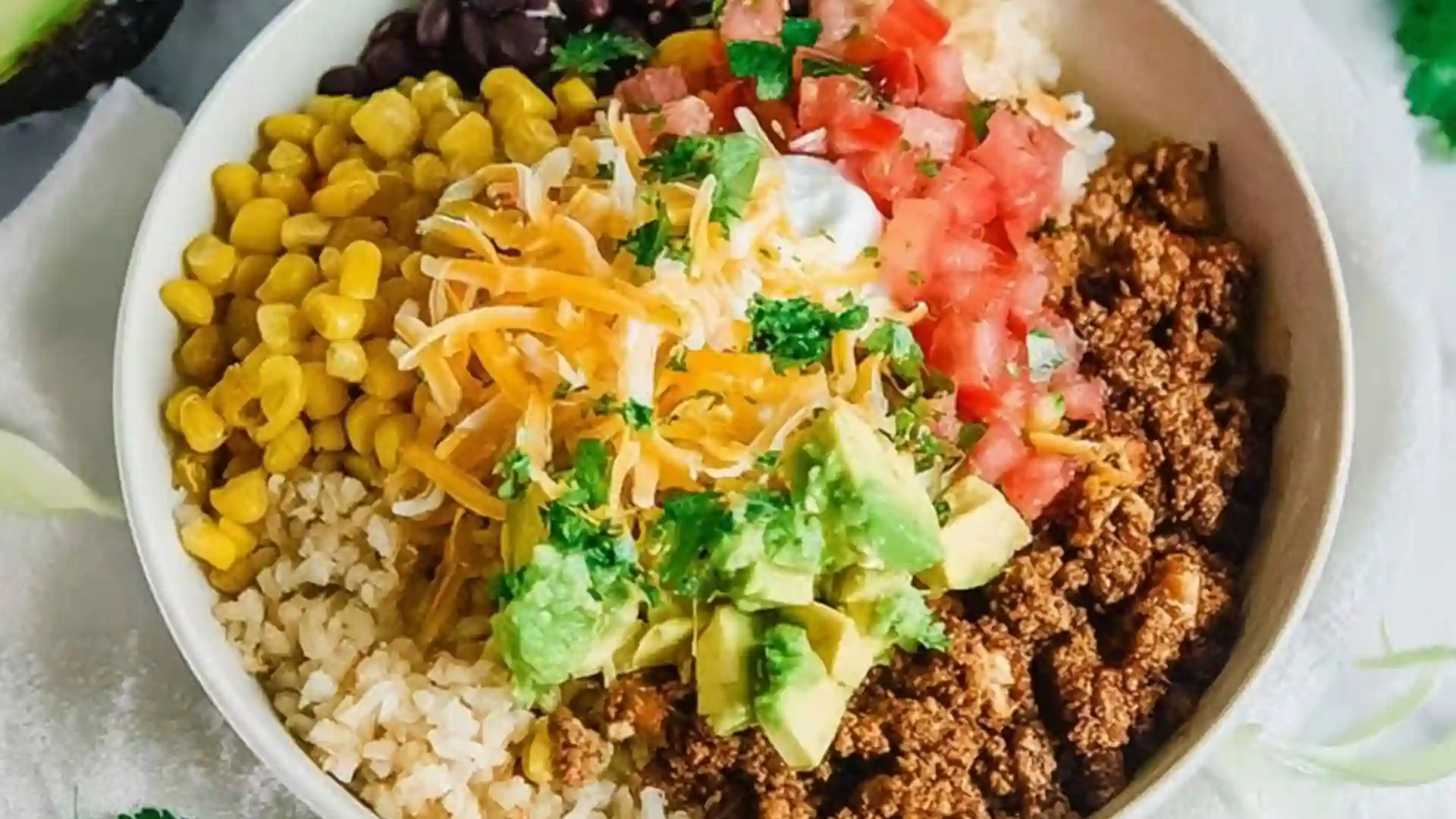
Discover the nutritional power and culinary versatility of the Taco Rice Bowl, a fusion dish that seamlessly blends Tex-Mex flavors with Japanese history.
This guide elucidates the benefits of this balanced meal, offering a comprehensive blueprint for creating nutrient-dense, customizable bowls suitable for any dietary requirement.
Ideal for busy professionals and families alike, this resource provides the essential techniques for ingredient selection, flavor maximization, and efficient meal preparation. Read on to master a staple that transforms simple pantry ingredients into a gourmet experience.
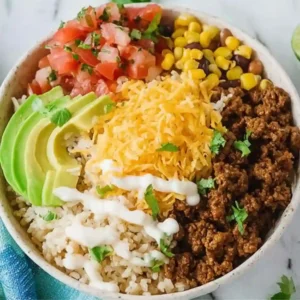
Taco Bowl

Equipment
- Skillet
- Mixing bowl
Ingredients
Taco Meat
- 1 lb ground beef or ground turkey
- 1 packet taco seasoning or homemade mix
- 2/3 cup water
Taco Bowl Base
- 2 cups cooked rice white or brown
- 1 cup black beans drained and rinsed
- 1 cup corn kernels fresh, frozen, or canned
- 1 avocado diced
- 1 cup shredded lettuce
- 1/2 cup shredded cheddar cheese
- 1 tomato diced
- sour cream for topping
- salsa for topping
- cilantro optional garnish
Instructions
- In a large skillet, cook the ground beef over medium heat until browned. Drain any excess grease.
- Add taco seasoning and water to the skillet. Simmer for 5–10 minutes until the sauce thickens and coats the meat.
- In a serving bowl, layer rice, black beans, and corn as the base.
- Top with the seasoned taco meat, lettuce, tomato, cheese, avocado, and any additional toppings you like.
- Finish with a dollop of sour cream, salsa, and a sprinkle of cilantro. Serve immediately.
Notes
Introduction to the Taco Rice Bowl
I vividly recall a humid evening last July when my neighbor, Madame Leclerc a staunch traditionalist when it comes to French cuisine invited me over for dinner.
Usually, I expect a Boeuf Bourguignon or a delicate quiche, but that night, she surprised me with what she called a Recette Santé (healthy recipe). She placed a vibrant, steaming bowl in front of me: seasoned beef layered over rice, topped with crisp lettuce and sharp cheese.
“It is efficient, non?” she remarked. It was my re-introduction to the Taco Rice Bowl, a dish that transcends borders. It was a poignant reminder that Healthy Dinner Recipes do not always require hours of simmering or complex techniques; sometimes, the most satisfying meals are the ones that simply assemble high-quality ingredients in a bowl.
Why the Taco Rice Bowl is the Perfect Weeknight Dinner
The Taco Rice Bowl effectively functions as a “deconstructed taco,” offering all the robust, savory flavors of the classic handheld dish without the structural instability of a breaking shell.
In my culinary experience, this format is superior for several reasons, primarily its capacity for customization. When I am cooking for a diverse group, some may prefer high-protein options while others require low-carb alternatives.
This dish accommodates everyone. It is the epitome of a Quick Healthy Dinner, allowing families to customize their portions without requiring the chef to prepare multiple separate meals. It bridges the gap between picky eaters and those with adventurous palates.
The Rise of Bowl Meals
In recent years, I have observed a significant shift in culinary trends toward “bowl food.” From grain bowls to burrito bowls, this method of plating is not merely aesthetic; it is functional.
Layering ingredients over a complex carbohydrate base like rice creates a nutritionally balanced meal that promotes satiety. Unlike standard plated meals where components are separated, a bowl integrates flavors in every bite.
For those seeking Healthy Dinner Ideas, the bowl format ensures that vegetables, proteins, and grains are consumed in equal measure, preventing the common pitfall of filling up on carbohydrates alone.
What is Taco Rice? Understanding the Origins
The Okinawan Connection: The Original “Taco Rice”
To truly appreciate this dish, one must understand that “Taco Rice” (or Takoraisu) is not originally Mexican or Tex-Mex, but distinctly Japanese.
It is crucial to note that this dish originated in Okinawa, Japan, in 1984. It was invented by a local chef to cater to the tastes of United States military personnel stationed there, who craved the flavors of home but needed an affordable, filling meal.
The traditional Okinawan style deviates slightly from the American burrito bowl. It typically consists of warm white rice topped with seasoned ground beef (flavored with taco spices), immense amounts of shredded lettuce, shredded cheddar cheese, and sliced tomatoes.
It is often served with a garnish of ketchup or salsa. When I look for unique Supper Ideas, I often return to this specific Okinawan variation because the contrast of the hot, savory rice and the cold, crisp lettuce provides a texture profile that is unmatched.
The Tex-Mex Evolution: Taco Bowls vs. Burrito Bowls
Conversely, the version most Americans are familiar with is the “Taco Bowl” or “Burrito Bowl.” This is essentially the contents of a burrito emptied into a bowl, omitting the large flour tortilla to reduce caloric density.
While the Okinawan version relies heavily on the fresh salad element, the Tex-Mex evolution focuses on beans, corn, and roasted vegetables.
In this guide, I will provide the methodology to master both styles. Whether you are looking for Cheap Dinners For A Family that mirror the Japanese budget-friendly ethos or a loaded Tex-Mex bowl, understanding the distinction allows you to choose your culinary adventure.
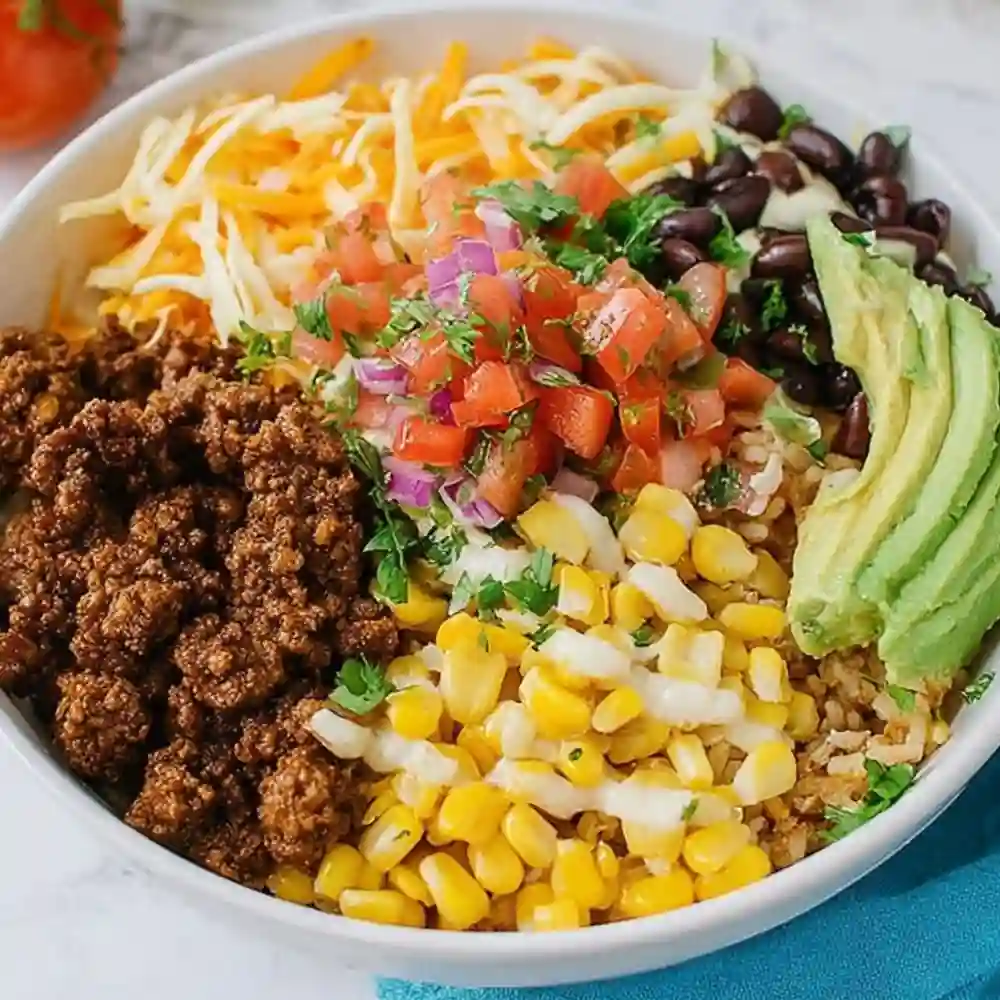
Essential Ingredients for the Perfect Base
Choosing the Best Rice for Your Bowl
The foundation of any rice bowl is, naturally, the rice. The choice of grain significantly impacts the final texture and nutritional profile.
- Long-Grain White Rice: This is the classic choice for Okinawan Taco Rice. It is fluffy and neutral, acting as a perfect canvas for the spices.
- Brown Rice: For those strictly adhering to Clean Eating Recipes, brown rice offers a nuttier flavor and a higher fiber content, which aids in digestion and prolonged satiety.
- Basmati or Jasmine: I have found that aromatic rice varieties add an unexpected but delightful floral note to the savory meat.
Sub-tip: I highly recommend transforming plain rice into Cilantro Lime Rice. By folding in chopped fresh cilantro and lime juice immediately after cooking, you elevate the acidity of the dish, cutting through the richness of the meat.
Selecting Your Protein
When selecting a protein, I advise focusing on quality and fat content.
- Ground Beef: This is the traditional standard. I prefer using 90/10 lean ground beef. It provides sufficient fat for flavor without leaving the rice base greasy.
- Ground Turkey or Chicken: For a lighter option that still qualifies as a Quick Dinner Ideas staple, poultry is excellent. It absorbs the taco seasoning more aggressively than beef, so I often slightly reduce the salt.
- Plant-Based Options: Lentils are a phenomenal substitute. When cooked down with taco seasoning, brown lentils mimic the texture of ground meat surprisingly well. Walnut meat is another avant-garde option for vegetarian bowls.
The Secret Sauce: Homemade vs. Store-Bought Seasoning
While store-bought packets are convenient, making your own seasoning is the mark of a sophisticated home cook. Commercial packets often contain anti-caking agents and excessive sodium. By mixing your own, you control the flavor profile.
My go-to blend includes:
- 1 tbsp Chili Powder
- 1 ½ tsp Cumin (essential for that earthy note)
- ½ tsp Smoked Paprika
- ½ tsp Garlic Powder
- ½ tsp Onion Powder
This DIY approach aligns with the principles of Healthy Dinner Meals, as it eliminates preservatives. I find that blooming these spices in the hot oil before adding the meat releases their essential oils more effectively than adding them later.
Vegetable Add-Ins and Fillings
The Beans: Black Beans vs. Pinto Beans
Beans are the workhorse of the taco bowl, providing fiber and texture. I typically debate between black beans and pinto beans.
Black beans are firmer and hold their shape well, adding a pleasant “pop” to the bite. Pinto beans are creamier and softer. If you are aiming for Lazy Dinners, canned beans are perfectly acceptable.
However, I rigorously insist on rinsing them thoroughly. The liquid in canned beans is laden with sodium and starch that can muddy the flavors of your fresh ingredients.
Corn: Fresh, Canned, or Fire-Roasted?
Corn adds a necessary sweetness to counterbalance the spicy meat. While fresh corn cut from the cob is superior in the summer, fire-roasted canned corn is my secret weapon year-round. It adds a smoky depth that mimics a restaurant-style experience.
Tip: I often toss drained corn into a hot, dry cast-iron skillet for three minutes. This charring process caramelizes the natural sugars, making it taste complex and robust. It is a simple step that elevates Healthy Meal Ideas from good to exceptional.
Sautéed Veggies for Added Volume
To bulk up the bowl without adding excessive caloric density, I employ the “fajita method.” I sauté bell peppers and onions until they are soft and slightly caramelized. This not only adds vitamins A and C but also introduces a sweetness that pairs beautifully with the savory beef.
For those trying to sneak in more nutrition, zucchini or spinach can be wilted into the mix; they absorb the taco flavors so well that they become indistinguishable from the other components.
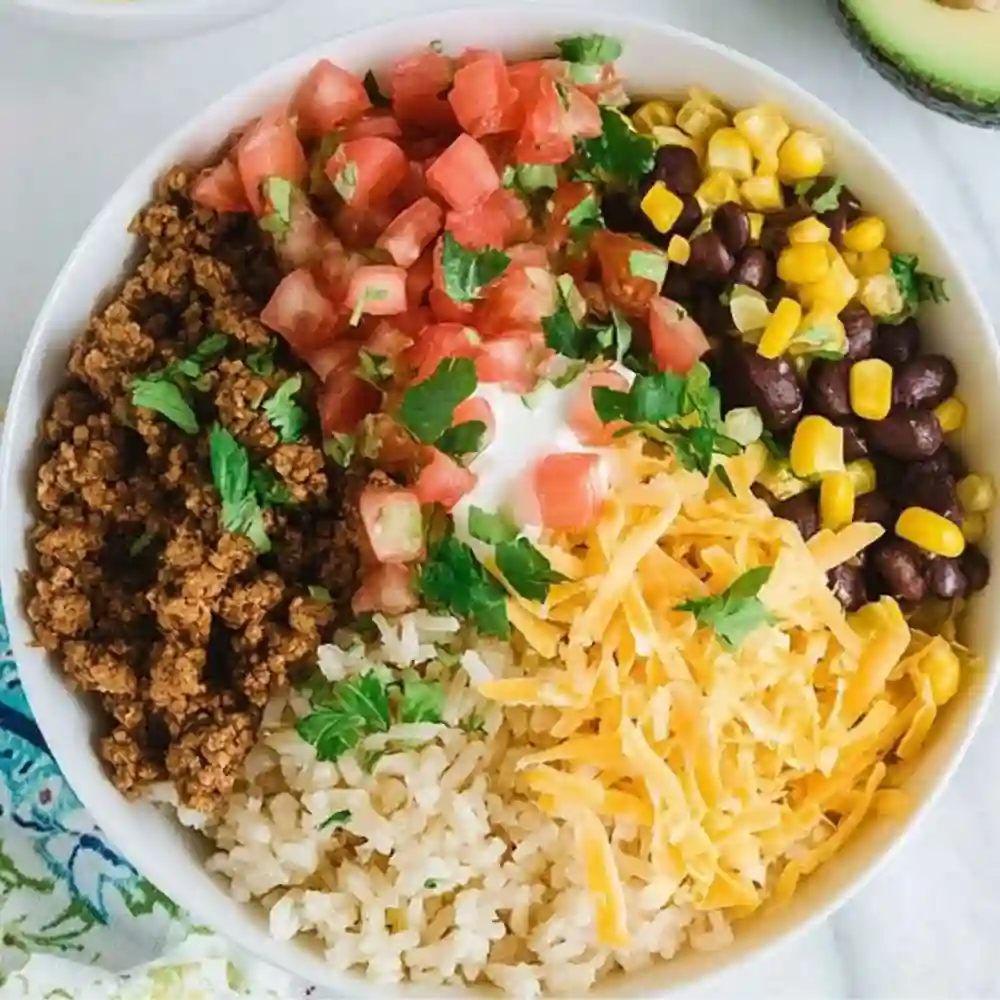
Toppings, Sauces, and Garnishes
The Cheese Factor: Melty vs. Fresh
Cheese acts as the binding agent in a taco bowl.
- Sharp Cheddar: The classic choice for Okinawan rice.
- Monterey Jack: Known for its superior melting capabilities.
- Cotija: A salty, crumbly Mexican cheese that adds a finishing touch rather than a blanket of goo.
I cannot stress this enough: grate your own cheese. Pre-shredded cheese is coated in cellulose to prevent clumping, which inhibits proper melting.
Grating a block of cheddar takes two minutes and results in a far creamier texture. It transforms simple Kid Friendly Dinners into something that feels chef-prepared.
Creamy Elements: Guacamole and Sour Cream
A taco bowl requires a creamy element to cool the palate. While I adore a full guacamole, sometimes perfectly ripe avocado slices are sufficient. For a dressing, I create a “Lime Crema” by whisking sour cream (or Greek yogurt) with lime juice and a pinch of salt. This drizzle provides acidity and creaminess simultaneously.
Fresh Crunch: Salsa, Pico de Gallo, and Lettuce
Texture is paramount. In my exploration of Healthy Bowls Recipes, the failure point is often a lack of crunch.
Crisp Romaine or Iceberg lettuce is non-negotiable for the Okinawan style. For the salsa, I prefer a Pico de Gallo (fresh tomato salsa) over jarred salsa, as the raw onions and cilantro add a brightness that cooked salsa lacks.
Step-by-Step Assembly Instructions
Cooking the Meat and Rice Components
To begin, prepare your rice according to package instructions or your preferred method. While the rice steams, address the protein.
In a large skillet over medium-high heat, brown the ground beef or turkey. Once cooked through, drain the excess fat this is crucial for maintaining a healthy profile.
Next, add your spice blend. I add a splash of water or broth (about ¼ cup) to the pan after the spices. This creates a slurry that coats every crumble of meat, ensuring consistent flavor.
Simmer this for 3-5 minutes until the liquid reduces. This technique is standard in many Rice Bowls Recipes to ensure the protein remains moist.
Layering the Bowl for Maximum Flavor
The architecture of the bowl matters. I follow a specific layering protocol:
- Base: Warm rice goes on the bottom.
- Heat Layer: The hot seasoned meat and warm beans/corn go directly on the rice.
- Melt Layer: Sprinkle the cheese immediately over the hot meat so it begins to melt.
- Cool Layer: Top with cold lettuce, salsa, and avocado.
This temperature contrast—the hot, savory base against the cold, crisp toppings—is what makes the taco bowl exciting to eat. It is a sensory experience that elevates it above standard leftovers.
Dietary Variations and Swaps
Low-Carb and Keto Taco Bowls
For those monitoring carbohydrate intake, the taco bowl is incredibly adaptable. I frequently swap the rice base for Cauliflower Rice. When sautéed with a little oil and salt, cauliflower rice mimics the texture of grain effectively.
Alternatively, one can omit the “rice” entirely and serve the toppings over a massive bed of greens, effectively turning it into a Taco Salad. These Healthy Bowls remain satisfying due to the high protein and fat content from the avocado and cheese.
Vegan and Dairy-Free Modifications
Creating a vegan version is straightforward. Replace the meat with lentils or a plant-based crumble. For the dairy, cashew-based “queso” sauces have become remarkably sophisticated, offering that necessary umami punch.
I have found that adding a teaspoon of soy sauce or tomato paste to plant-based meat substitutes deepens the flavor, compensating for the lack of animal fat. Even without dairy, these remain excellent Vegetarian Dinners.
Sometimes, when I compare the effort required for this dish against complex Chicken Pasta Recipes, I am grateful for the simplicity of the taco bowl. While pasta is delicious, the taco bowl offers a lighter, more energetic feeling post-meal.
Meal Prep and Storage Guide
How to Meal Prep Taco Bowls for the Week
Taco bowls are a staple in my rotation for Dinner Meal Prep. However, there is a specific rule I follow: The “Cool Down.” Never put hot rice and meat into a meal prep container and immediately seal the lid.
The steam will trap moisture, leading to soggy rice and wilted greens. Allow the cooked components to cool to room temperature before sealing.
Furthermore, I store the cold components separately. I use small silicone cups or separate snack containers for the salsa, guacamole, and lettuce. This keeps the salad crisp.
Reheating Best Practices
When it is time to eat, I heat the rice and meat container in the microwave. Only after it is hot do I add the cold toppings. If you have frozen the meat and rice mixture (which freezes beautifully for up to 3 months), let it thaw in the refrigerator overnight before reheating.
My German friend, who is always on the hunt for practical Abendessen Rezepte (dinner recipes), swears by freezing individual portions of the taco meat. It allows her to assemble a fresh bowl in under ten minutes on busy weeknights.
More easy Recipes To Try!
Little Debbie Christmas Tree Cake Truffles
Frequently Asked Questions (FAQs)
What vegetables can you put in a taco bowl?
You can incorporate a wide array of vegetables. Beyond the standard corn and tomatoes, I have successfully used roasted sweet potatoes, sautéed zucchini, bell peppers, onions, and even finely chopped kale. The key is to season them well.
What kind of rice is best in a taco bowl?
While white rice is traditional for Okinawan style, brown rice adds nutritional density. Cilantro lime rice (using basmati or jasmine) provides the best flavor lift.
What kind of cheese is best for taco bowls?
Sharp Cheddar provides the classic flavor profile. Monterey Jack offers the best melt, while Cotija adds a salty, finishing texture.
What fillings go well in taco bowls?
Black beans and corn are the standard fillings. However, diced jalapeños, pickled red onions, and olives are excellent additions for extra zest.
How to assemble a rice bowl?
Layer from hot to cold: Rice first, then hot meat and beans, followed by cheese (to melt), and finally the cold toppings like lettuce, salsa, and sour cream.
Can you meal prep taco bowls?
Yes, absolutely. The cooked meat and rice can be stored in the refrigerator for up to 4 days. Store fresh toppings separately to maintain texture.
Conclusion
Final Thoughts on the Ultimate Comfort Food
The Taco Rice Bowl is more than just a convenient meal; it is a testament to the power of culinary adaptation.
Whether you are replicating the authentic Okinawan experience or building a nutrient-packed Tex-Mex bowl, the result is a dish that is comforting, healthy, and endlessly customizable. I encourage you to try the Recette Santé that my French neighbor introduced me to or invent your own variation.
I invite you to try this recipe this week. Do not be afraid to experiment with the grains or the greens. Once you master the basics, you will find that Health Dinner Recipes like this one become a cherished part of your culinary repertoire.