
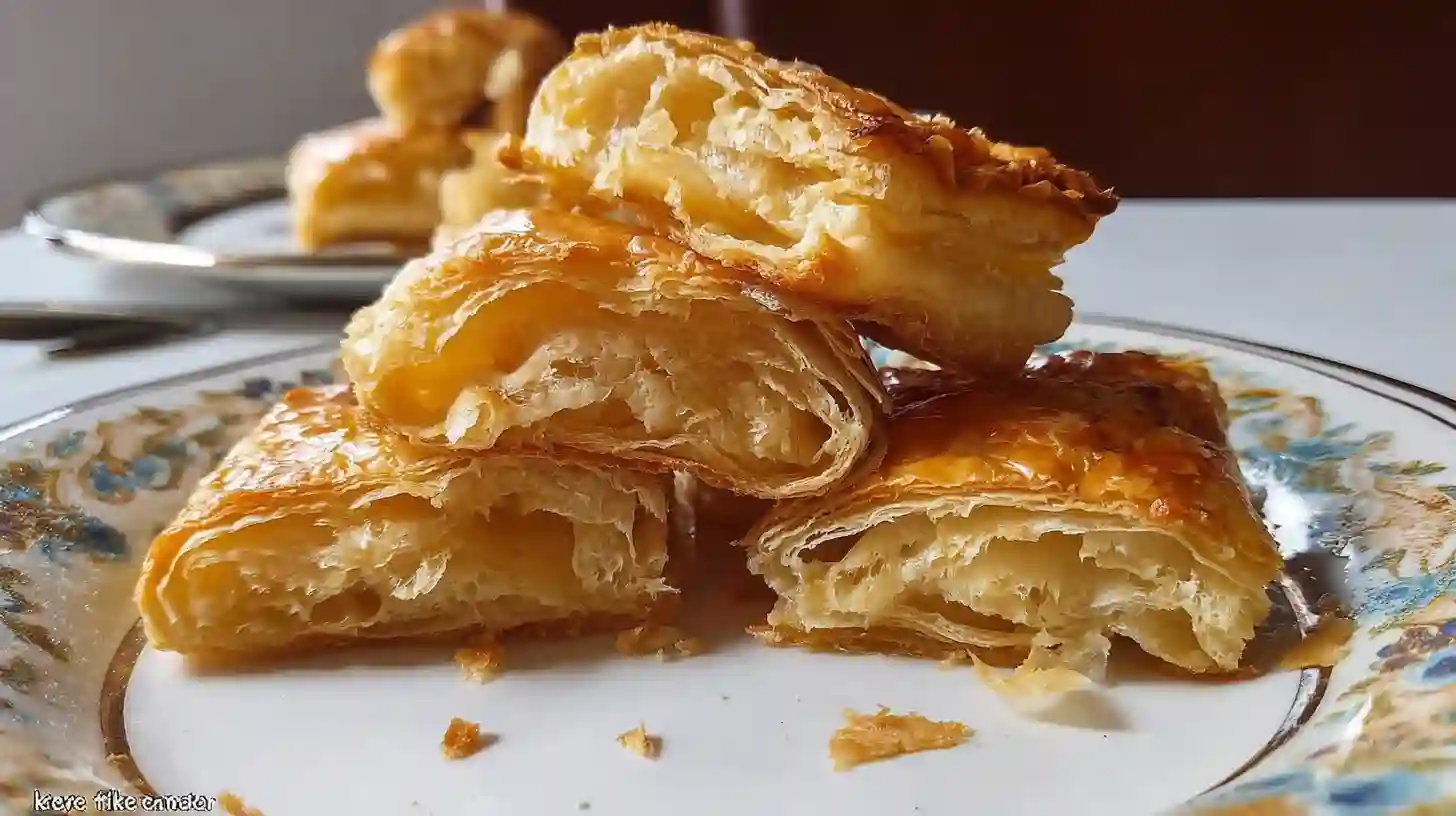
I used to think flaky pastry was off-limits once I went gluten-free. As someone who grew up baking with my grandmother,Gluten Free Puff Pastry was one of the last things I gave up. For a while, I tried every store-bought option and every blog recipe, but nothing came close to the homemade pastry I remembered. It was either too dry or turned into a buttery mess. Then, after a lot of trial and error (and tears), I finally cracked the code for making it from scratch.
If you’ve felt that same frustration, this guide is for you. Gluten-free puff pastry doesn’t have to be intimidating. I’ll walk you through exactly how to make a perfect laminated dough at home and explain why the steps of lamination matter. You’ll finally understand what makes this pastry work, even without gluten.
Here’s what you can expect from this guide:
You’ll start with the easiest method, the “Rough Puff” that’s ideal for beginners. Then I’ll show you the traditional technique used by professionals. And lastly, I’ve included a vegan-friendly version, so nobody misses out.
Why You’ll Love This Gluten Free Puff Pastry
• Easy to master, even if you’re new to gluten-free baking
• Uses simple ingredients you likely already have at home
• Perfect for holiday meals, brunches, or special desserts
• Delivers crisp, golden layers that actually flake
• Loved by gluten and non-gluten eaters alike
What makes this recipe stand out is the balance between method and texture. You get that classic buttery crunch without the dry or gummy results many other versions give. It’s not just about making something gluten free it’s about making something worth sharing. Whether you’re baking to impress guests or just treating yourself, this pastry brings real satisfaction.
Ingredients Needed for Gluten Free Puff Pastry
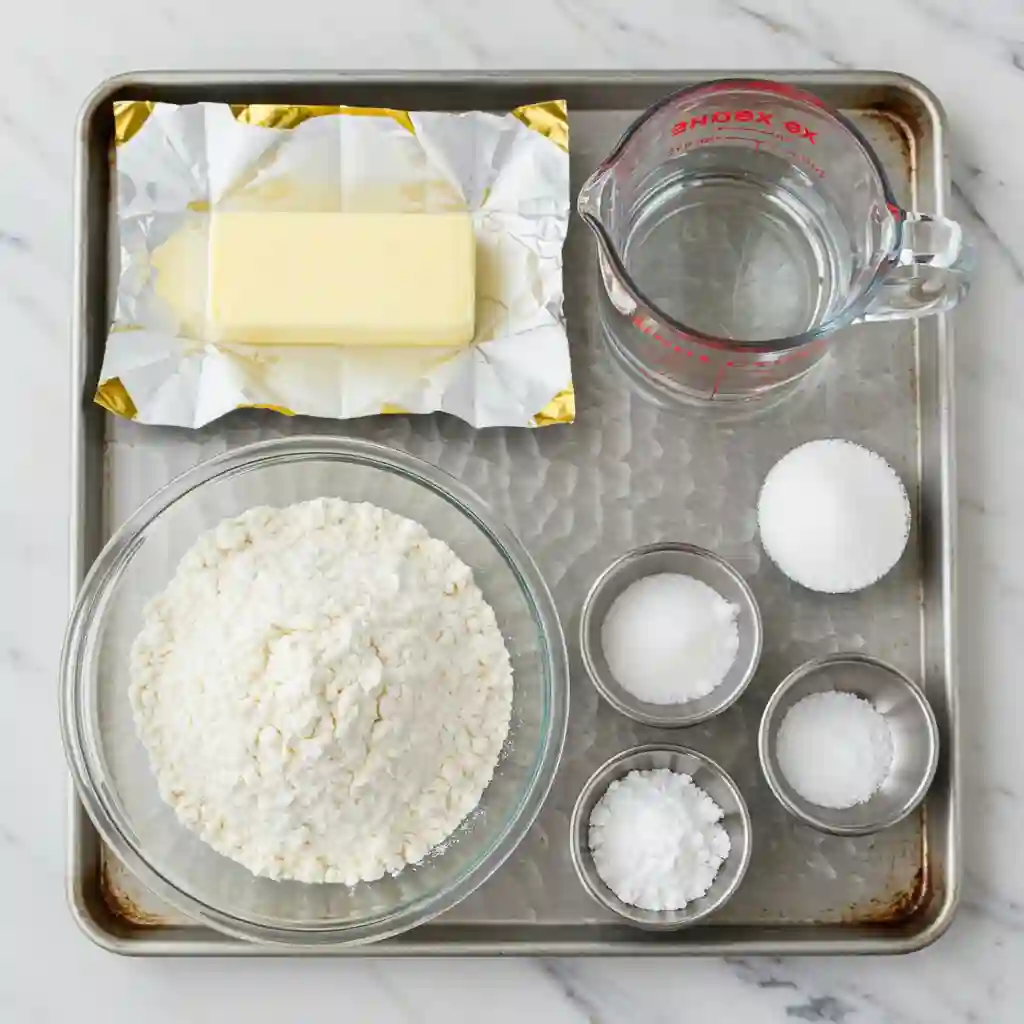
For the dry base
• 240 grams gluten-free plain flour blend, plus extra for dusting
(I used Doves Farm Freee plain gluten-free flour without xanthan gum. You can also mix your own blend. If using a homemade mix, 1 cup equals 150 grams, so using a digital scale is best.)
• Half tablespoon granulated sugar
• One teaspoon xanthan gum
(Use only half a teaspoon if your flour blend already contains xanthan gum.)
• Half teaspoon salt
For the butter layers
• 40 grams unsalted butter, cubed and kept cold
(Keep it in the fridge until you’re ready to use it. The colder, the better.)
• 120 grams unsalted butter, sliced into thin pieces about 1 to 2 millimeters thick
(These should also stay cold. Cut them into pieces roughly 1 to 2 centimeters in size.)
For the hydration
• 100 grams very cold water
(Chilled tap water or water from the fridge works well here.)
How to Make Gluten Free Puff Pastry
1. Combine the dry ingredients
In a large mixing bowl, whisk together the gluten-free flour, sugar, xanthan gum and salt until well blended.
2. Add the first portion of butter
Drop in the 40 grams of cold cubed butter. Use your fingertips to rub it into the flour until the mix looks like fine breadcrumbs.
Tip: You can also do this step in a food processor, then transfer it back to a bowl for the next step.
3. Coat the sliced butter
Add the 120 grams of sliced butter into the bowl. Toss gently with your hands to coat each slice in flour. Pull apart any pieces that are stuck together.
4. Add water gradually
Begin pouring in the cold water one to two tablespoons at a time. Use your fingers or a fork to gently toss and hydrate the mixture.
After each addition, check if the flour is absorbing the water. Continue until there are no dry spots and the dough starts to clump together in places.
Tip: You might need a bit more or less water depending on your flour blend. Sprinkle a few extra drops on dry areas if needed.
5. Form the dough
Bring the dough together by gently pressing and kneading it inside the bowl. It should come into a rough ball.
It will look shaggy and slightly cracked. That’s perfectly fine.
Tip: Avoid over-kneading. Warm hands can melt the butter, which reduces flakiness. Handle just enough to make a cohesive ball.
6. Wrap and shape
Place the dough on a large sheet of plastic wrap. Shape it into a rectangle using a rolling pin.
This smooths the surface slightly and helps create a head start for rolling later.
7. Chill the dough
Transfer the wrapped dough to the fridge for 30 minutes.
Tip: This firming step keeps the butter from melting too early during rolling.
8. Prepare for folds
If your dough has chilled longer than 30 minutes, let it sit at room temperature for a few minutes until pliable.
It should feel cool but not rock hard. If it cracks a little, that’s okay.
9. First fold (letter fold)
Lightly dust your work surface with gluten-free flour. Roll the dough into a long rectangle, roughly three times longer than it is wide.
Fold one third of the dough over the center. Then fold the other end on top, like folding a letter.
10. Rotate and repeat
Turn the folded dough 90 degrees so the open ends face toward and away from you. Roll it out again into a long rectangle.
Repeat the same letter fold.
11. Final chill
Wrap the dough tightly again and chill for at least another 30 minutes before using.
Your pastry is now ready for baking or can be stored in the fridge until needed.
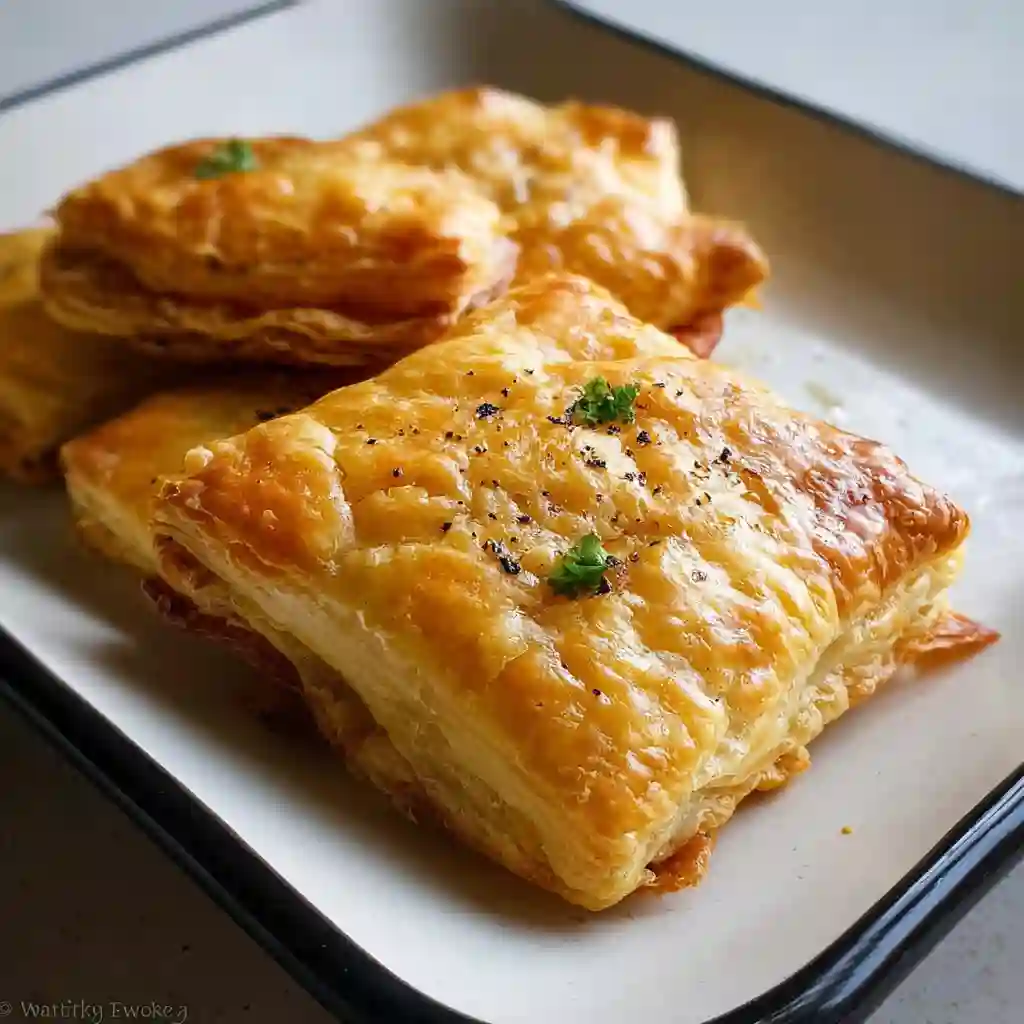
This gluten-free puff pastry works beautifully in any recipe that calls for standard puff pastry.
Serving and Storage Tips
Serving Suggestions
Serve your gluten-free puff pastry fresh from the oven for the best texture. It pairs beautifully with sweet or savory fillings. Try it with fruit compote for a quick dessert or use it as a topping for pot pies and tarts. For a light appetizer, cut it into strips, twist, and bake with grated cheese.
Storage Instructions
If you’re not using it right away, keep the wrapped pastry dough in the fridge for up to three days. To freeze, double-wrap it in plastic wrap and place it in an airtight container or freezer bag. It will keep well for up to one month.
Reheating Tips
For baked pastry, reheat in a preheated oven at 180°C or 350°F until warmed through and crisp again. Avoid using the microwave, as it can make the pastry soggy.
Common Mistakes and Troubleshooting Guide
| Problem | Likely Cause | Solution |
| Pastry didn’t puff or is flat | The butter was too warm and melted into the dough | Chill the dough thoroughly before baking. Always bake straight from cold into a hot oven |
| Pastry feels greasy or leaked butter | The butter softened too much or the dough was overhandled | Chill the dough every time it feels soft or sticky. Use high-fat quality butter for best results |
| Dough cracks while rolling | The dough is too cold and stiff | Let the dough rest at room temperature for ten to twenty minutes until pliable but still cold |
| Dough is sticky and hard to roll | The dough is too warm or the surface lacks enough flour | Wrap the dough and chill it for twenty to thirty minutes. Dust your surface lightly with gluten-free flour |
Conclusion
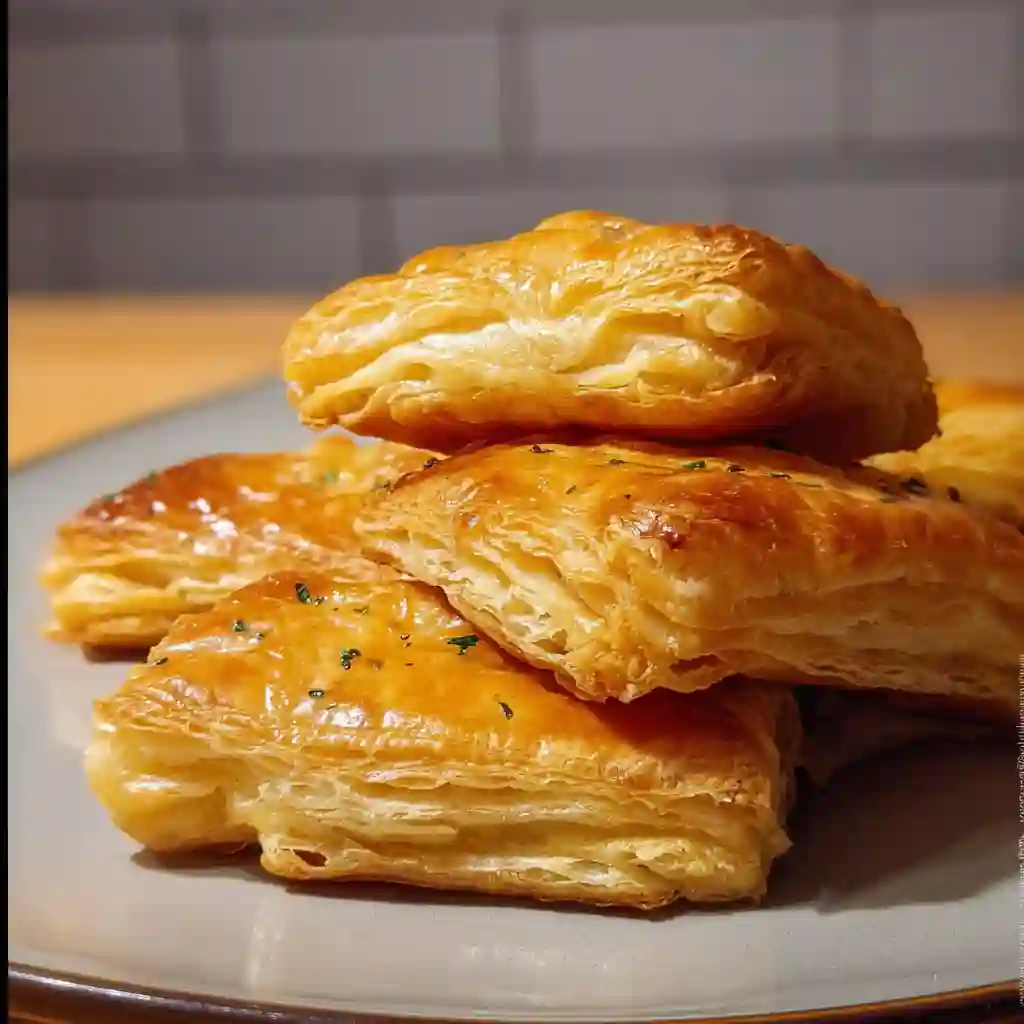
This gluten free puff pastry recipe brings real results. You get buttery, flaky layers without needing gluten, and you don’t have to be a pastry chef to pull it off. Whether you go for the easy rough puff, the traditional method, or the dairy-free version, each one delivers impressive texture and taste.
If you gave this recipe a try, leave a comment and add a star rating below. Your feedback helps others and keeps the gluten-free baking community growing.
Share your pastry creations on Pinterest or Facebook and tag me so I can see what you made.
What variation did you try? Classic? Vegan? Sweet or savory? Let us know in the comments.
More Gluten-Free cakes Recipes To Try!
Gluten Free Birthday Cake Recipe
Gluten Free Puff Pastry

Ingredients
For the dry base
- 240 g gluten-free plain flour blend plus extra for dusting
- 0.5 tbsp granulated sugar
- 1 tsp xanthan gum use only 0.5 tsp if your flour blend already contains it
- 0.5 tsp salt
For the butter layers
- 40 g unsalted butter cubed and kept cold
- 120 g unsalted butter sliced into 1-2 mm thick pieces
For the hydration
- 100 g very cold water
Instructions
- In a large mixing bowl, whisk together the gluten-free flour, sugar, xanthan gum and salt until well blended.
- Add 40 grams of cold cubed butter. Use your fingertips to rub it into the flour until the mix looks like fine breadcrumbs.
- Add the 120 grams of sliced butter. Toss gently to coat each slice in flour. Pull apart any stuck pieces.
- Begin pouring in the cold water 1–2 tablespoons at a time, gently tossing with fingers or a fork until the dough starts to clump together.
- Bring the dough together by pressing and kneading gently inside the bowl until it forms a rough ball. Avoid over-kneading.
- Place the dough on plastic wrap and shape into a rectangle with a rolling pin. Wrap and chill for 30 minutes.
- If chilled longer than 30 minutes, let rest at room temperature until pliable but still cold before rolling.
- Lightly flour the work surface. Roll dough into a long rectangle, three times longer than wide. Fold one third over the center, then fold the other end on top (letter fold).
- Rotate the dough 90 degrees. Roll out again into a long rectangle and repeat the letter fold.
- Wrap tightly and chill for at least 30 minutes before using. Ready to bake or store in fridge/freezer.
Notes
Frequently Asked Questions
Is it possible to make gluten-free pastry?
Yes, it is absolutely possible. With the right flour blend and technique, you can create pastry that’s flaky, tender, and just as satisfying as traditional versions.
Is there a gluten-free frozen puff pastry?
Yes, several brands offer ready-made gluten-free puff pastry. Schär and GeeFree are two popular options found in many grocery stores or online.
How does gluten-free puff pastry differ?
The main difference is the lack of gluten, which gives regular dough its stretch and elasticity. Without it, the dough can be more delicate and requires a different handling approach to build layers and structure.
Why is gluten-free pastry so hard?
Gluten-free dough tends to be crumbly or sticky because it lacks the natural binding power of gluten. That’s why ingredients like xanthan gum and careful chilling are key to keeping the dough together and easy to work with.
What is the best flour for puff pastry?
A high-quality gluten-free flour blend that includes a mix of rice flour, starches, and sometimes a binder like xanthan gum works best. Some people also prefer to mix their own blend for better control over texture.
Do you need xanthan gum for gluten-free pastry?
Yes, xanthan gum helps mimic the elasticity and structure that gluten provides. If your flour blend doesn’t include it, adding a small amount is necessary for workable dough.
What is a substitute for xanthan gum in gluten-free pastry?
Ground psyllium husk is a good alternative. It helps bind the dough and adds structure, making it a suitable replacement for those who can’t tolerate xanthan gum.
Can celiacs eat puff pastry?
Yes, as long as the pastry is made with certified gluten-free ingredients and handled carefully to avoid cross-contamination, it is safe for people with Celiac Disease.